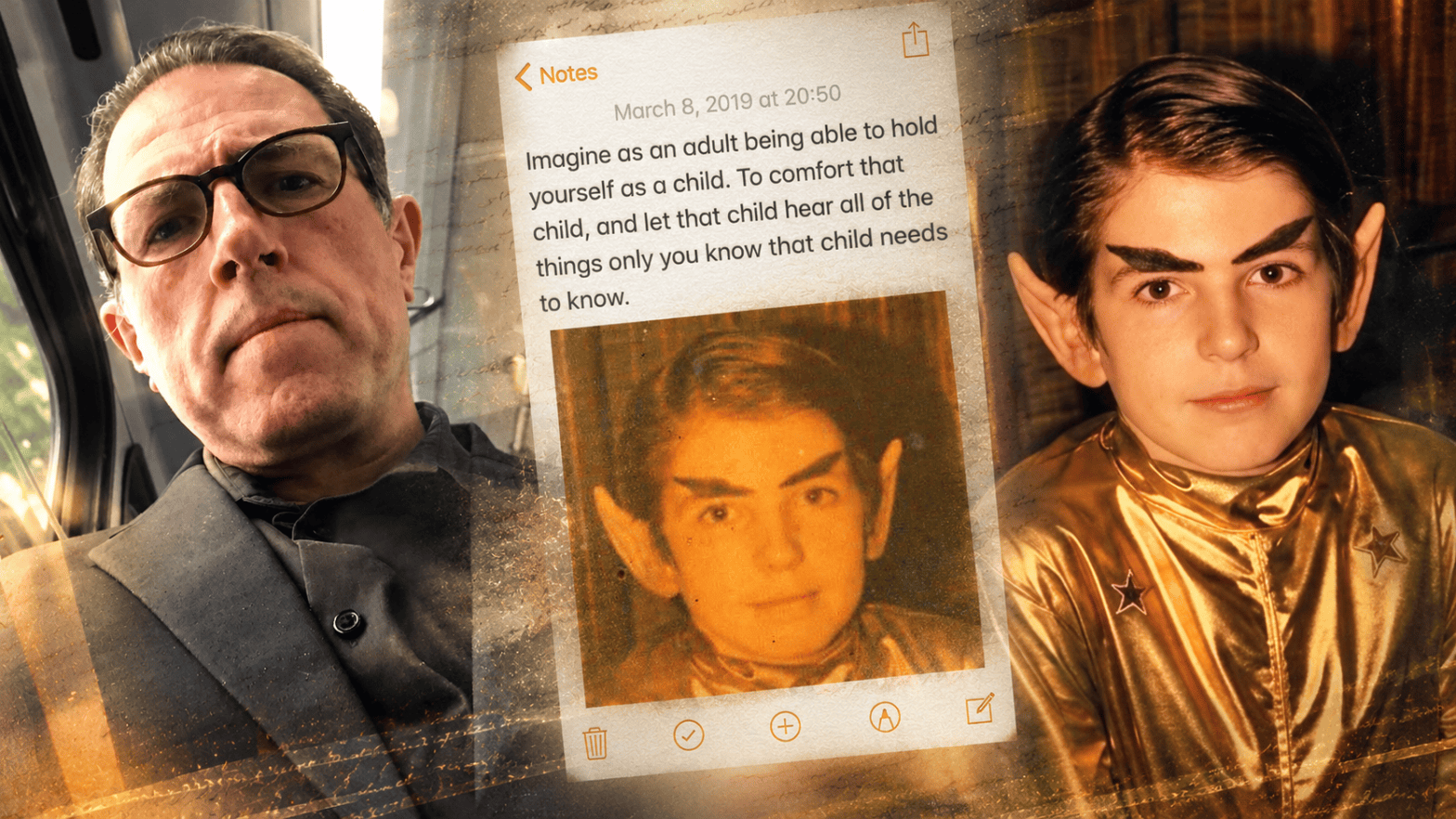
A Greek salad, a childhood photograph, and a second therapy session that changed how we understood our future. We arrived afraid that our family would be judged. Instead, our therapist recognized all nine of us, challenged a terrible lesson learned in childhood, and gave us permission to spend six months recovering. Sometimes the most extraordinary gift comes in the simplest words: “Take care of your kids.”
Tag Archives: Functional Multiplicity
What It Takes for Us to Be Here
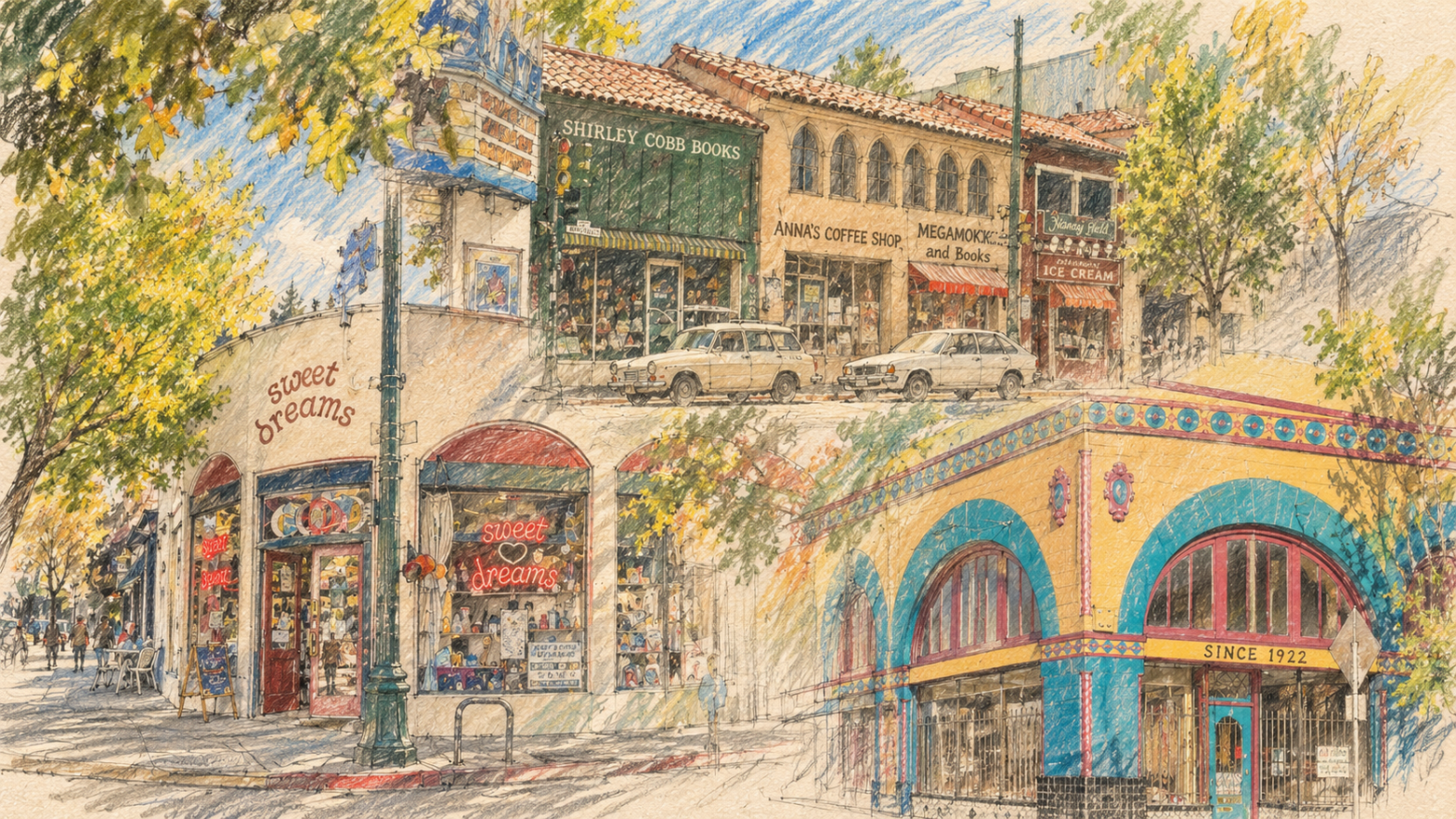
A childhood memory, our mother’s injury, and two questions from our new therapist reveal the extraordinary, often invisible work of maintaining an ordinary life as a plural family of nine—and what it takes to make that life sustainable.
Maybe We Graduated
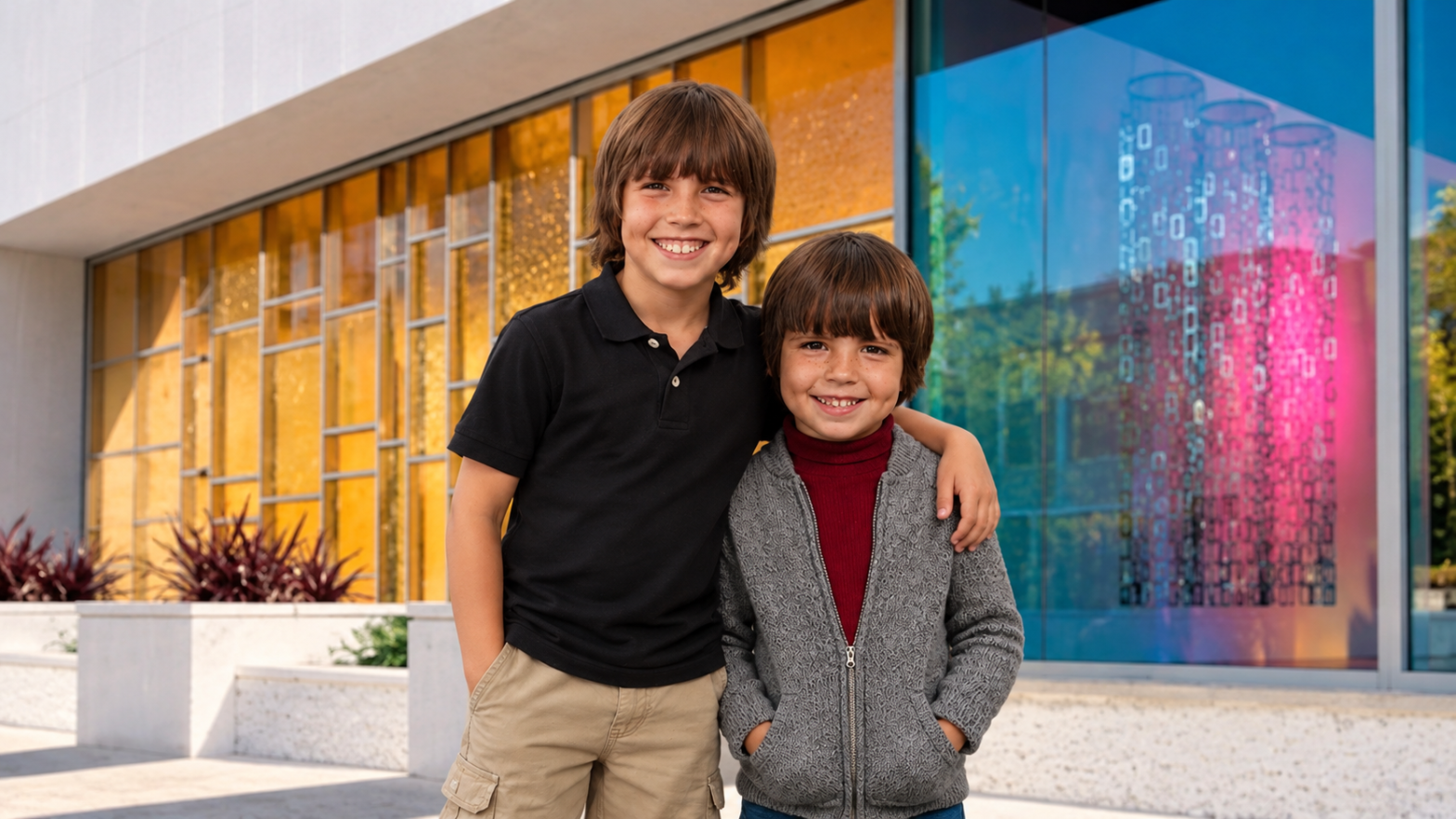
After nearly thirty years in architecture, we asked Jesus to put us where he wanted us. What followed was the greatest job we never knew we wanted—and six years that transformed our plural family of nine. On Han’s Day, we reflect on faith, disability accommodations, beloved community, the little brother Han has loved for decades, and the possibility that losing a job doesn’t mean losing our vocation. Maybe we graduated.
I Have This Life in My Arms
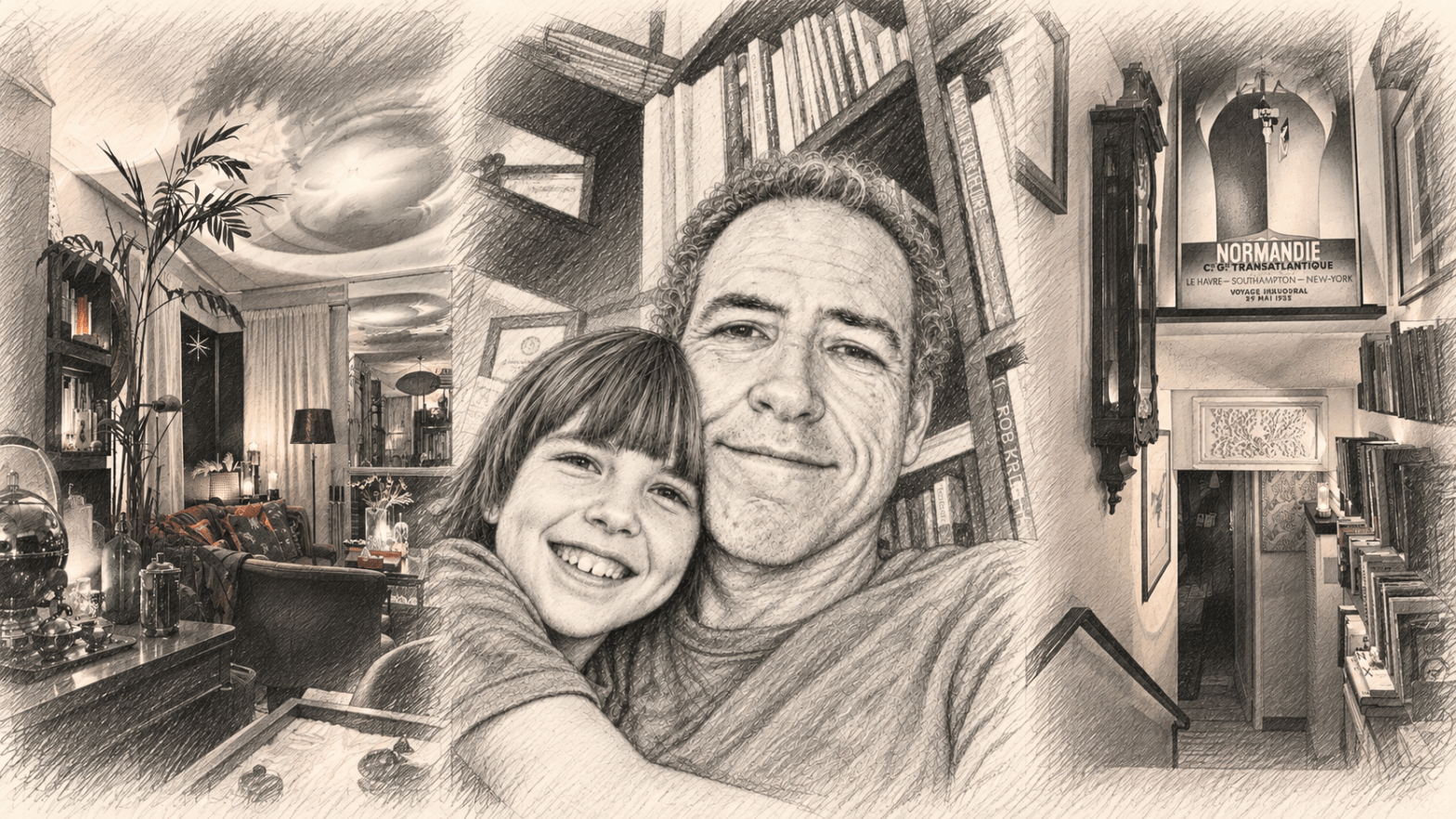
On Luke’s Day, an unexpected answer to prayer, a fraudulent email, and a promise to my nine-year-old son taught us that putting our children first means more than making time for them. It means allowing each child to be himself, listening to what he tells us, and remembering that the work of understanding our lives must never take the place of living them together.
Everyone Needs a Face
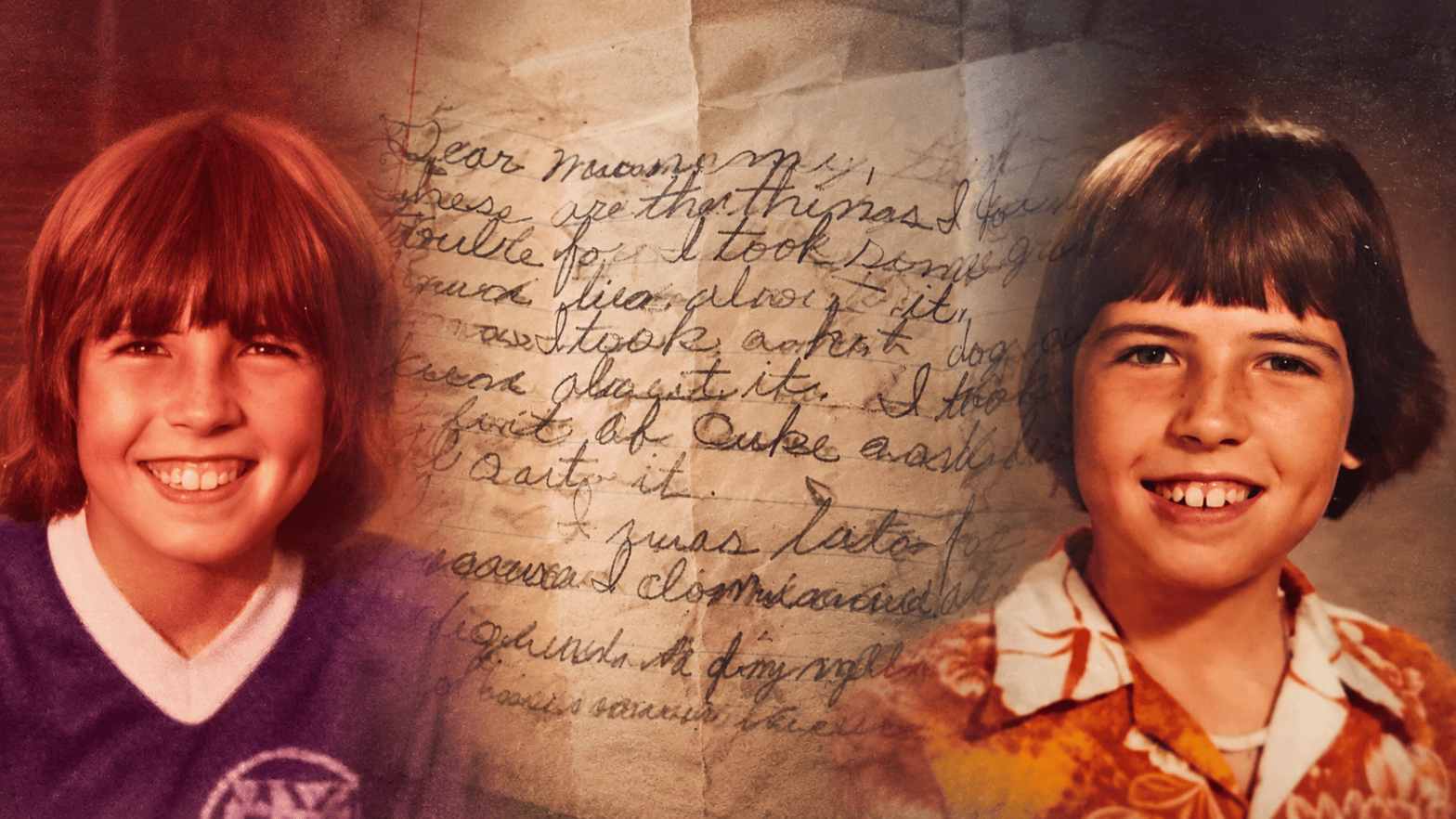
A childhood photograph I once could barely look at has become the face of my ten-year-old son. On Han’s Day, two photographs, an old therapist, and a morning together teach us something about trauma, joy, recognition, and what it means to believe someone when they tell you what you cannot see.
We Have Earned Something
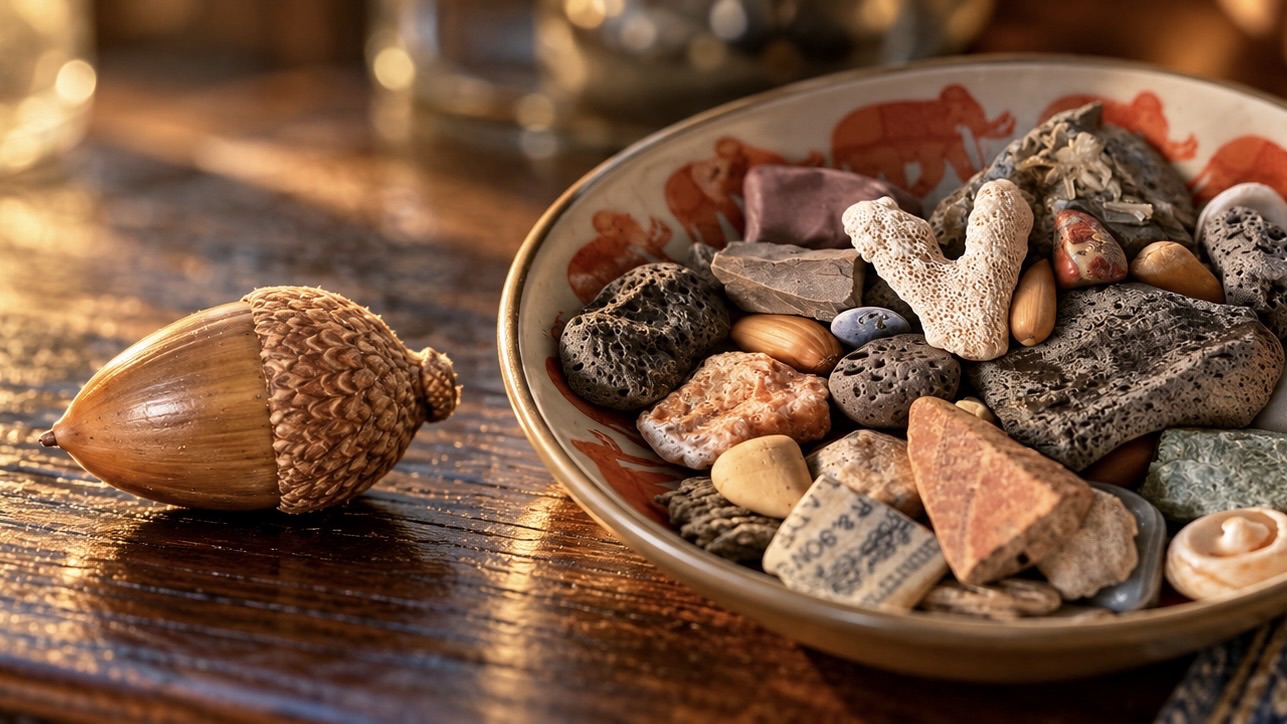
After months of fear and freeze, something has begun to move. With the help of friends, the grace of God, and a little acorn found beneath an oak tree, we are learning that receiving help can be an act of agency—and that not everything we earn needs to be measured, named, or turned into a wage.
You Get to Be Seven
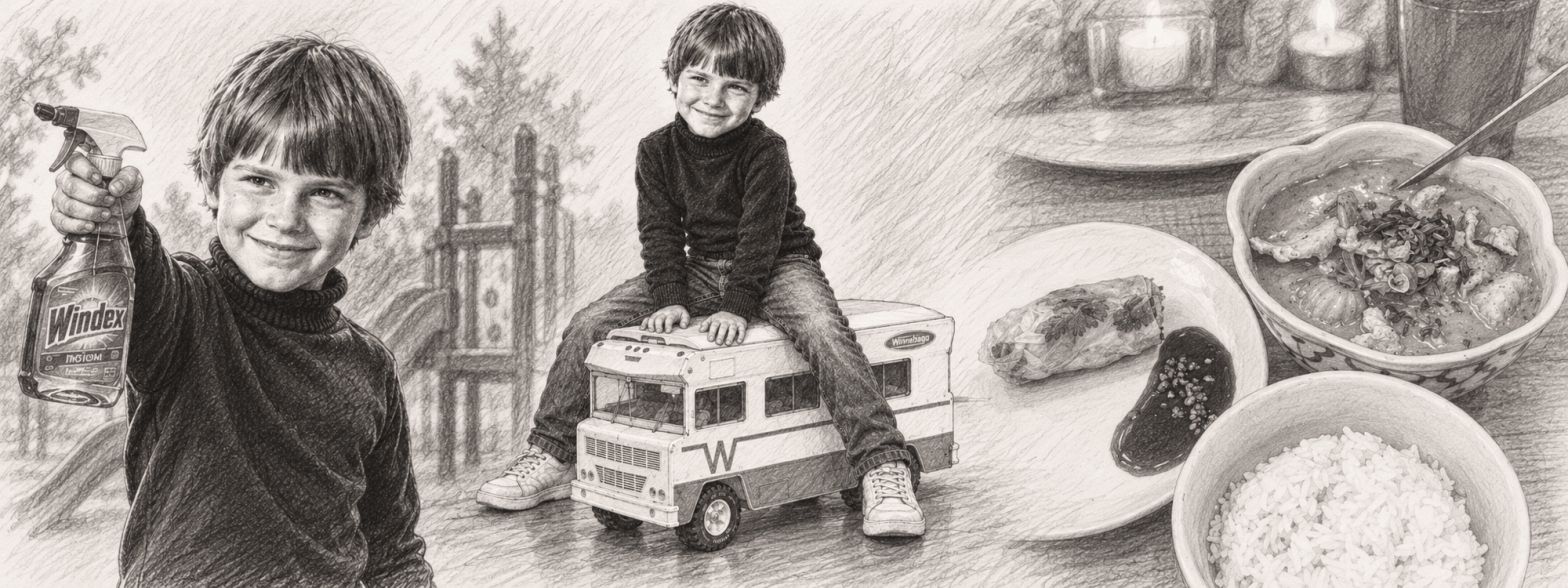
A seven-year-old goes quiet. Daddy realizes that love has accidentally become a burden. A day of memories, friendship, repair, and the unseen work of a plural family becomes a lesson in what it means to let a child be seven.
Your Children Are Your Life
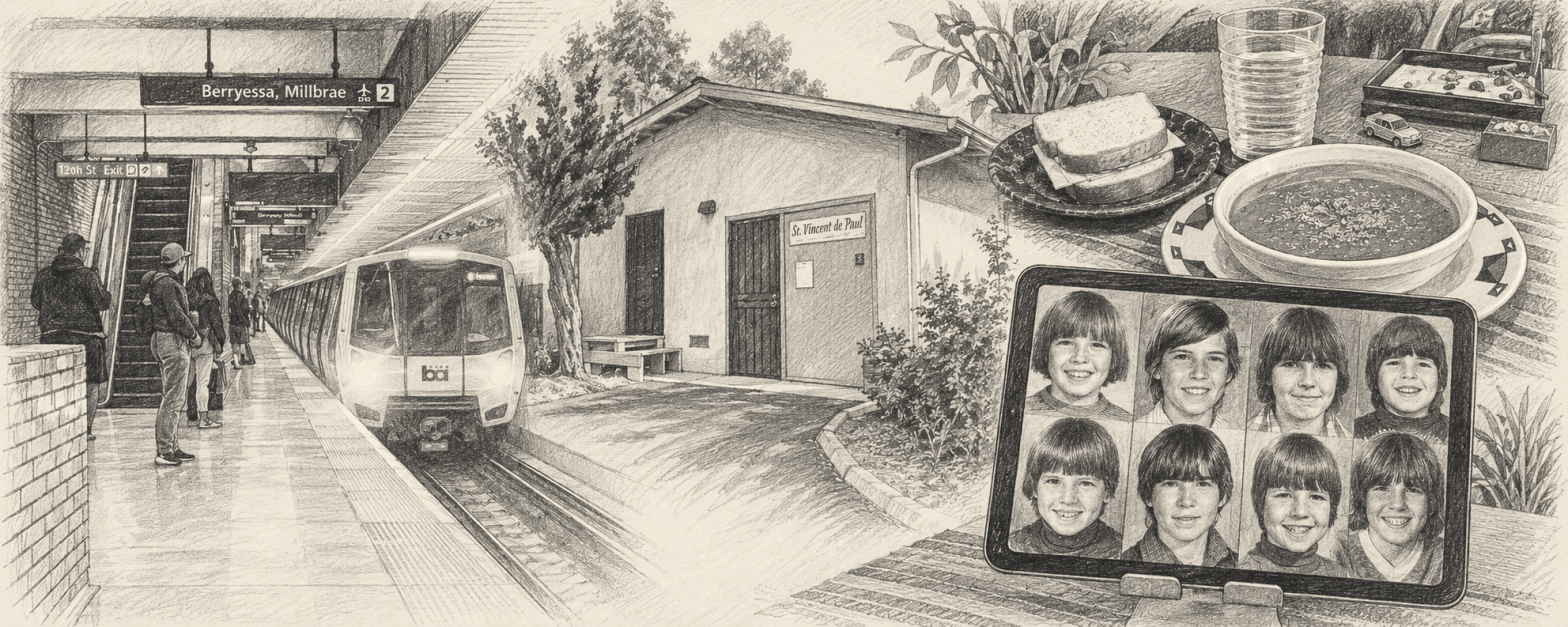
A trip to Hayward becomes something more than a meeting: a family moves toward an uncertain future without leaving anyone behind. There is BART, peanut butter and jelly, grace, a new Vincentian home, time together afterward—and a friend who understands something essential: “Your children are your life.”
If We Cried Today, It Was Over the Red Onion
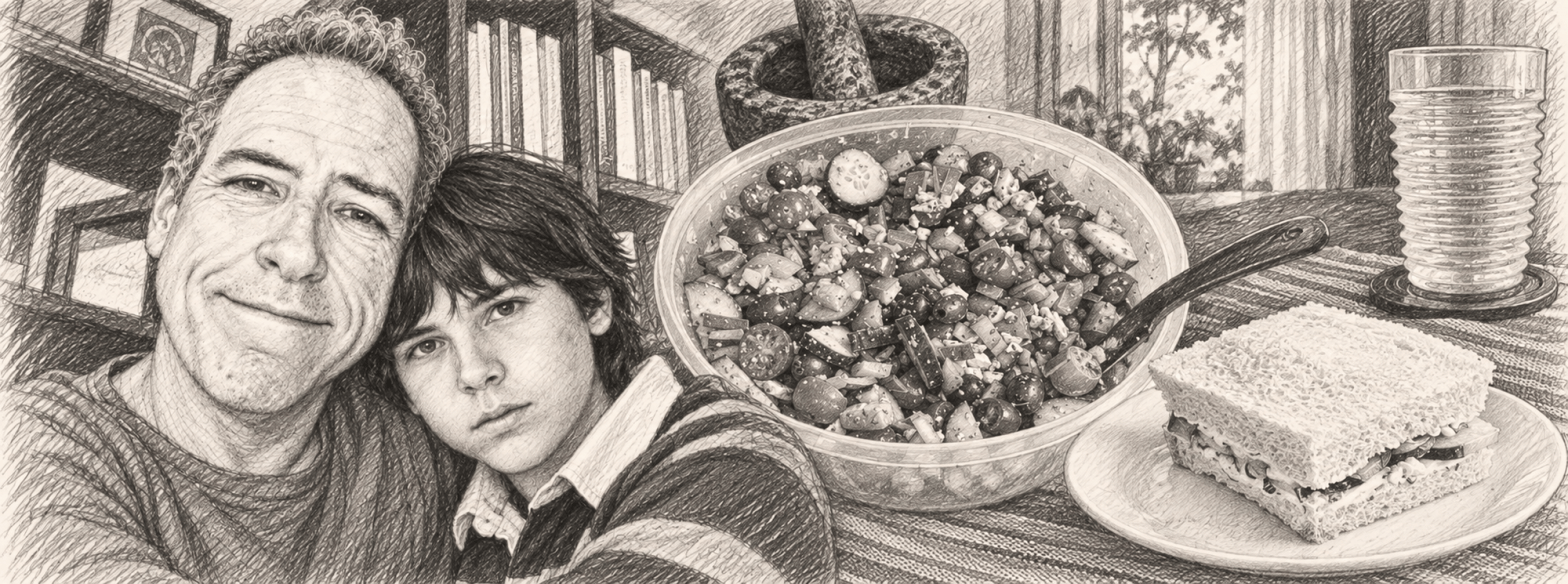
A therapist said they couldn’t work with us, and fear rushed to fill the blank space. On Hope’s Day, we returned to a principle our family knows well: err on the side of life. We called our children by name, kept Daddy’s appointment with his sons, ate cucumber sandwiches, and let tomorrow’s Greek salad marinate.
What Belongs to This Day

For three days, Dad’s sons have been teaching us how to live with an unknown future: Han helped us remain in the unknown, Justus helped us become oriented within it, and Proverb is teaching us how to live there. Sometimes what belongs to the day is not another heroic project to save the future. Sometimes it is cucumber sandwiches, twenty sit-ups, making the bed, turning on Solis’s little lights—and discovering that none of it is nothing.

