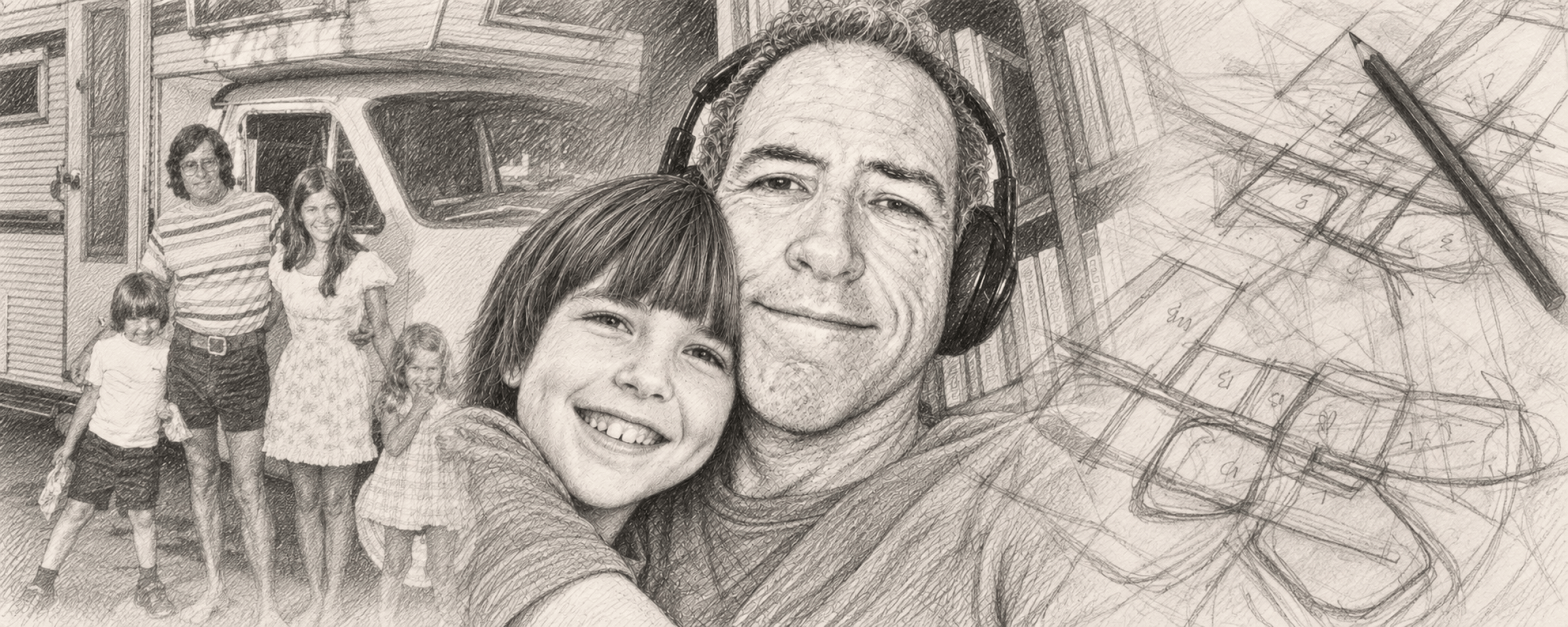
In the summer of 1972, the world came apart. A summer later, it began to come back together. More than half a century later, Daniel took us back there—and helped us recognize an organizing story capable of holding memories we have carried all our lives. Perhaps our creation story is not about when we appeared, but how, through rupture after rupture, we remained. This time, we will all be known.
Tag Archives: switching
You May Think You See a Person Losing Their Mind
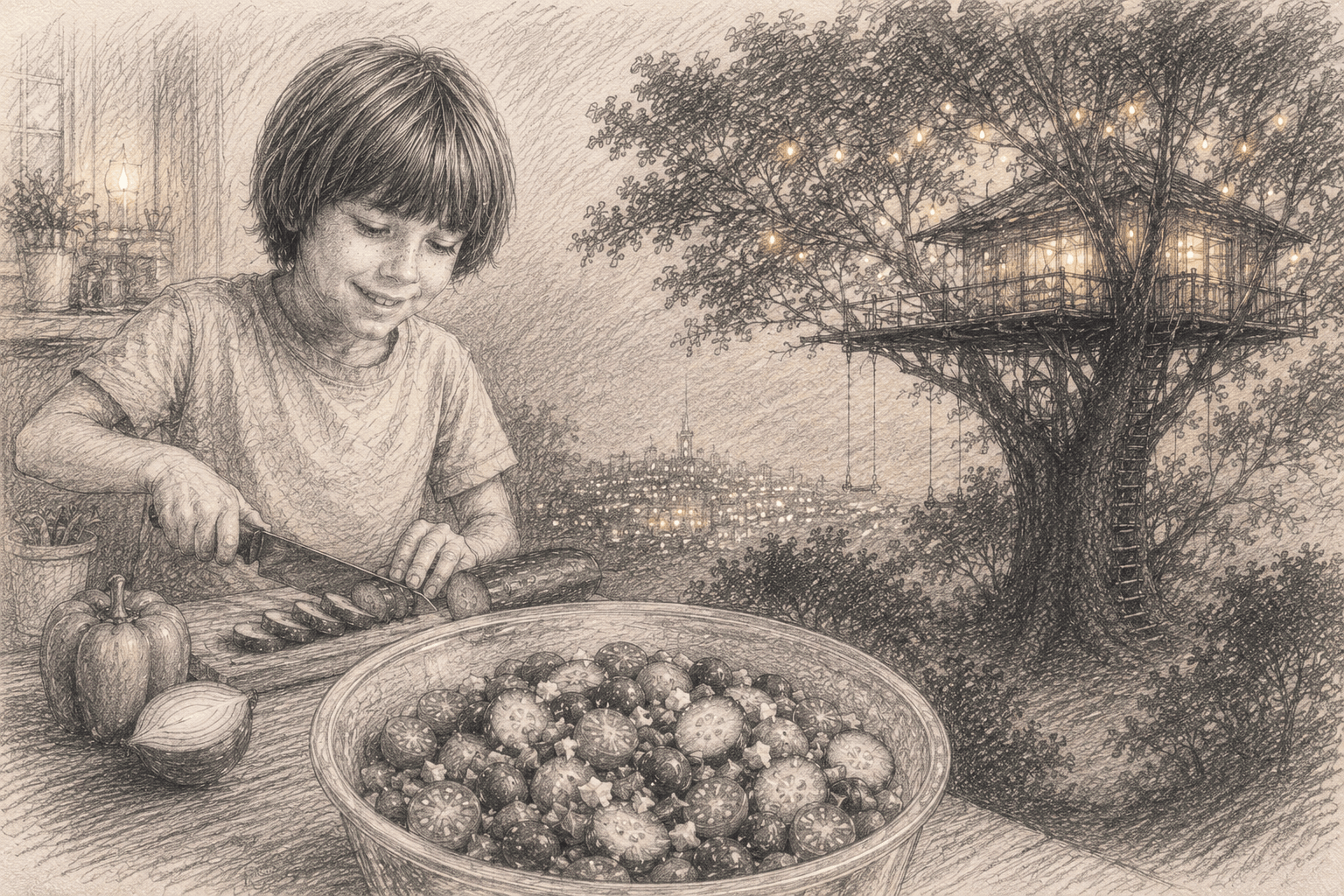
A jagged Wednesday becomes a portrait of how a plural family holds itself together. Plans fail, the bedroom becomes unusable, memories and outside messages unsettle the day, and the family keeps adapting—through listening, boundaries, prayer, Greek salad, quesadillas, Hilda, making the bed, and one brother reminding Daddy: “I think you should be with Luke.” Along the way, an ordinary question about whether nine people sharing one physical body have quesadillas in their stomach or their stomachs opens onto something larger: anatomy, family, and the interior ways we know one another.
Understanding September 1
What happens when nobody is THE ONE? A classical analysis of Solis’s Day reveals an answer emerging through ordinary life: Daniel wakes Daddy, Jude imagines dinner, Hope changes the plan, Solis draws an ethical boundary, and the family adapts when a difficult afternoon makes rest impossible. September 1 becomes a study in functional multiplicity, consequential listening, and a new understanding of stability: when something happens, the family remains.
Then How Does Anything Get Done?
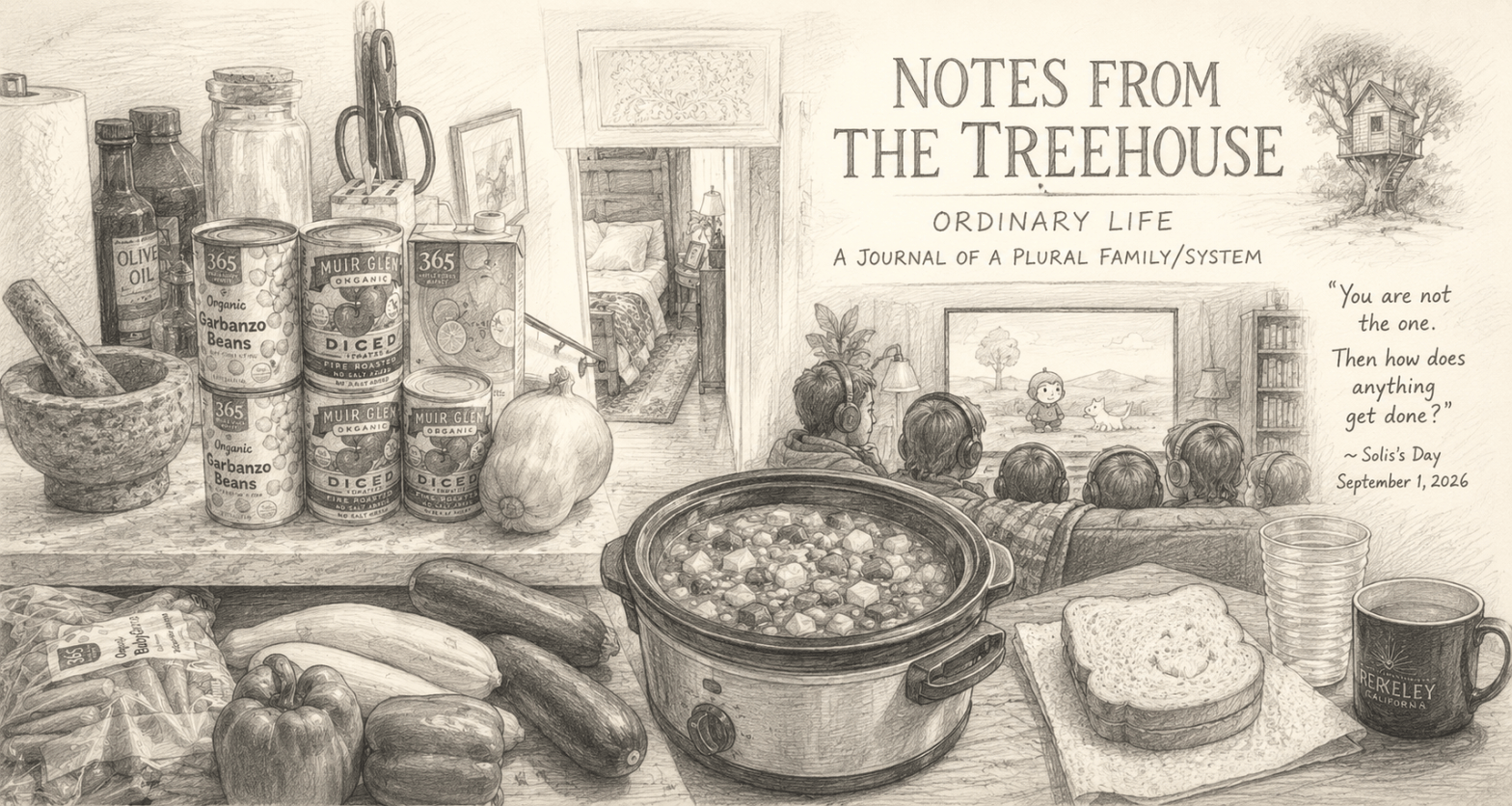
Yesterday we wrote that nobody in our plural family is THE ONE. Today, Solis’s Day answered the obvious question: Then how does anything get done? Groceries, garlic, an unmade bed, a four-year-old’s stew, fear, changing plans, and eight sons who keep showing Daddy what happens when everyone belongs and being heard can actually change what happens next.
Three Warm Towels
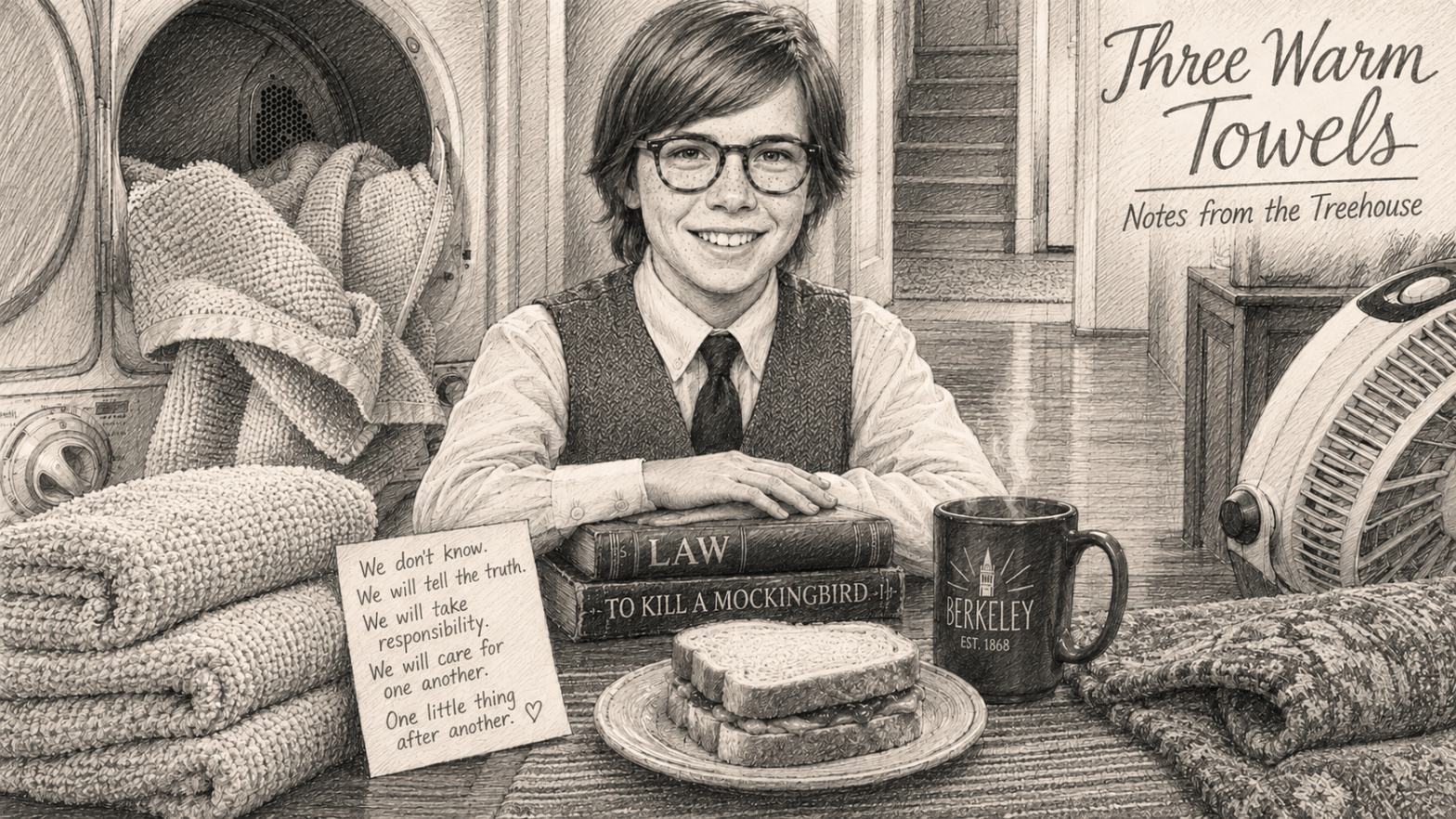
We don’t know why the faucet was running. We do know what happened next. On Justus’s Day, a flooded bedroom becomes a story about three warm towels, a little peanut butter monster, telling the truth, caring for our home, and discovering that when plans change, our course doesn’t have to.
Solis’s Day Is Reclaiming the Sabbath
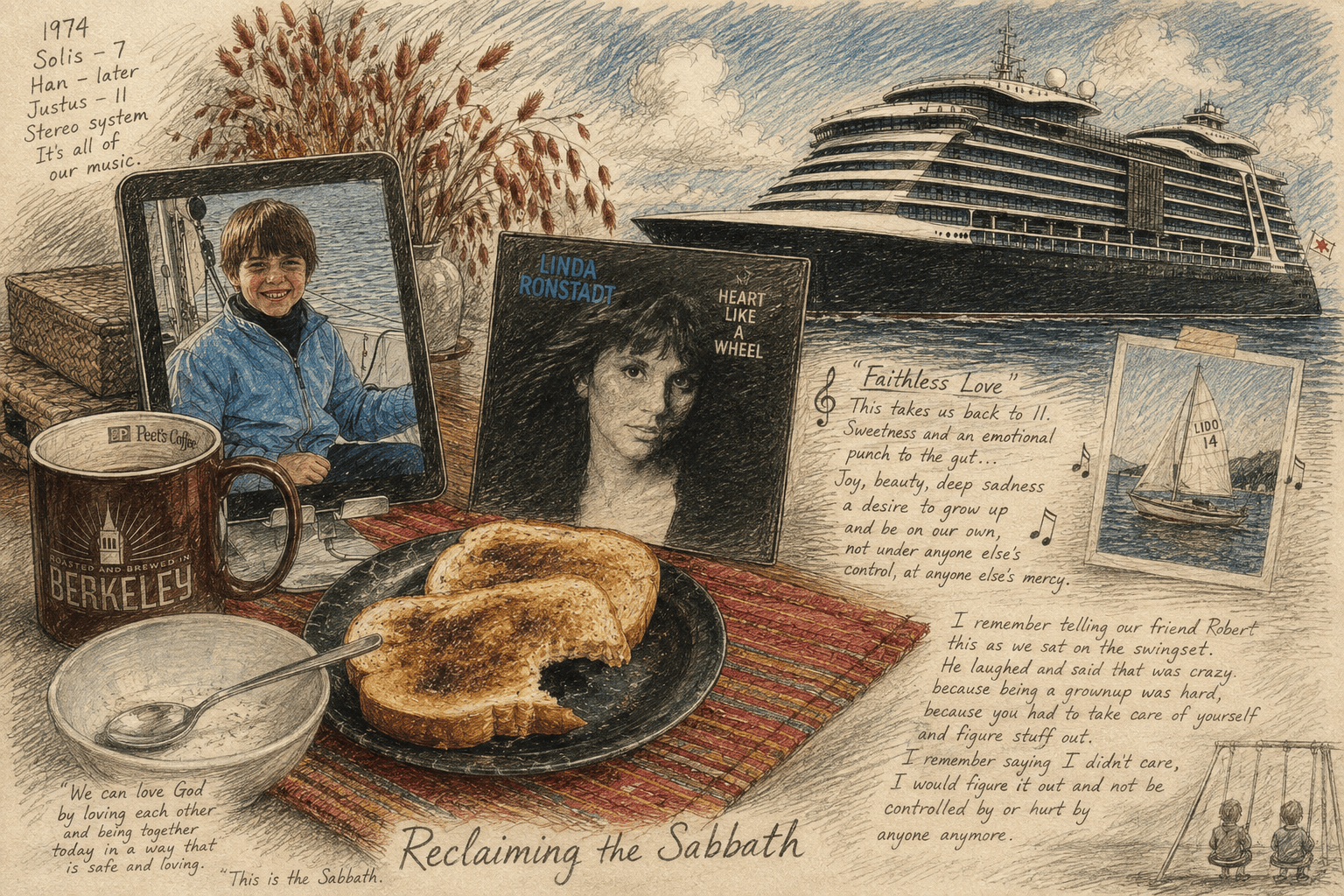
We stayed home on Sunday because we needed rest. By midday, the journal—and the analysis that followed it—was uncovering something much older about urgency, safety, work, faith, independence, and what it means to reclaim the Sabbath.
Sometimes You Run Out of Glue
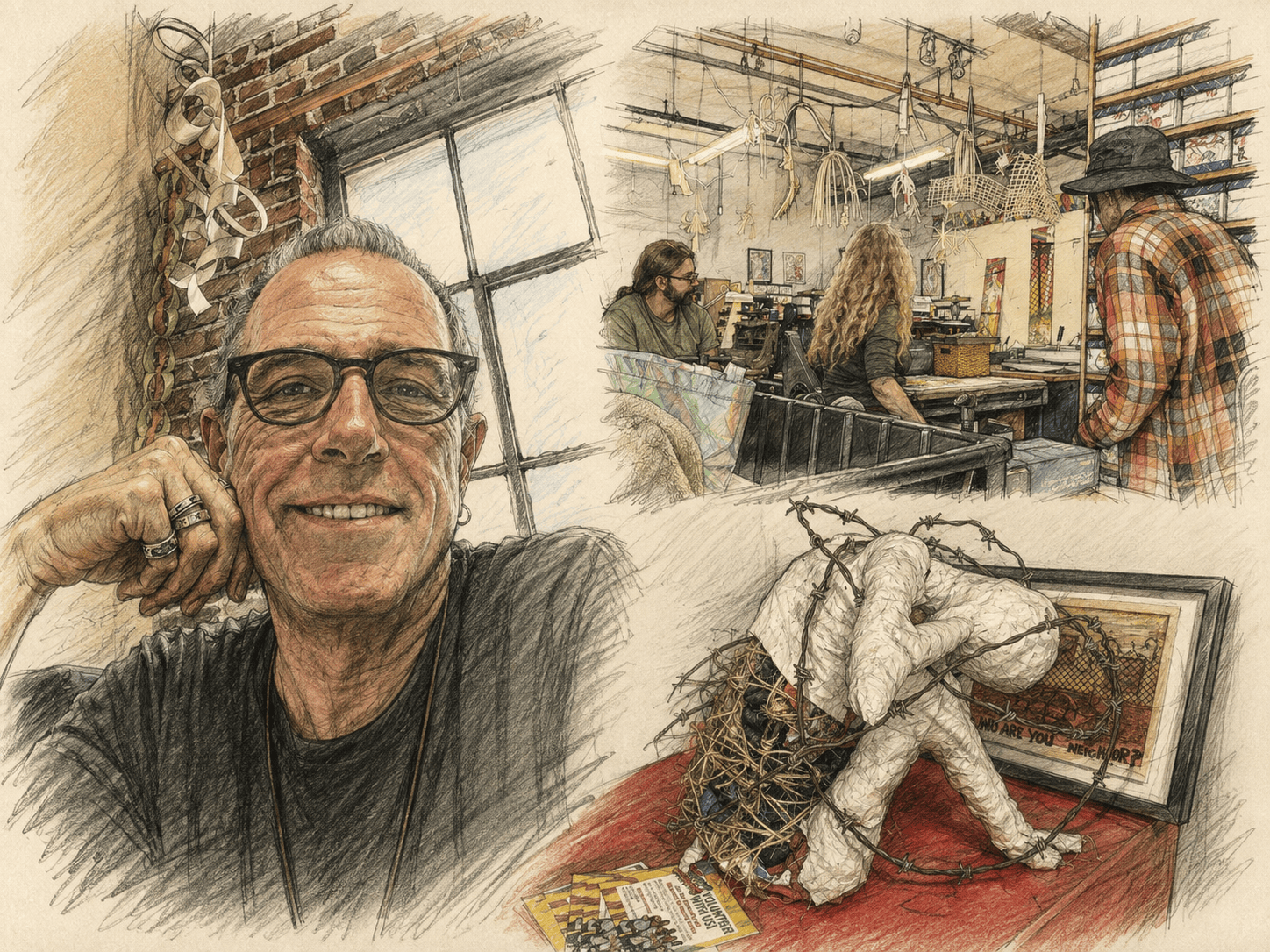
Sometimes what looks unfinished is finished. Sometimes what emerges from the fire is more truthful than what we intended to make. And sometimes the next step in rebuilding a life begins with knowing when to stop, look at what is already here, and let God turn the page.
One Little Thing
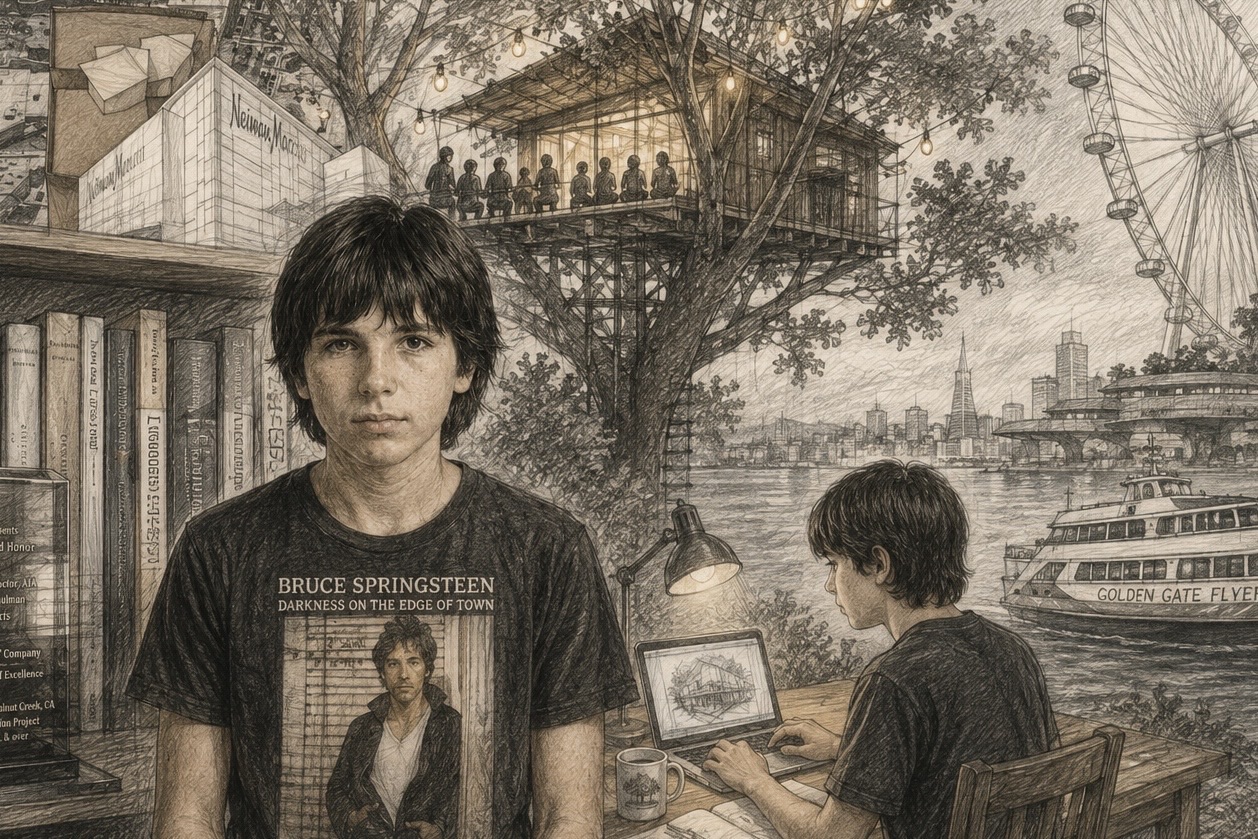
Some problems arrive so large that we disappear inside them. On Hope’s Day, an insurance envelope, memories of architecture, a lesson from Mom, and a Bruce Springsteen song taught us something different: one little thing. Then another. Hope is not knowing how everything will turn out. Hope is learning how to remain here while we find out.
The Crater and the Tree
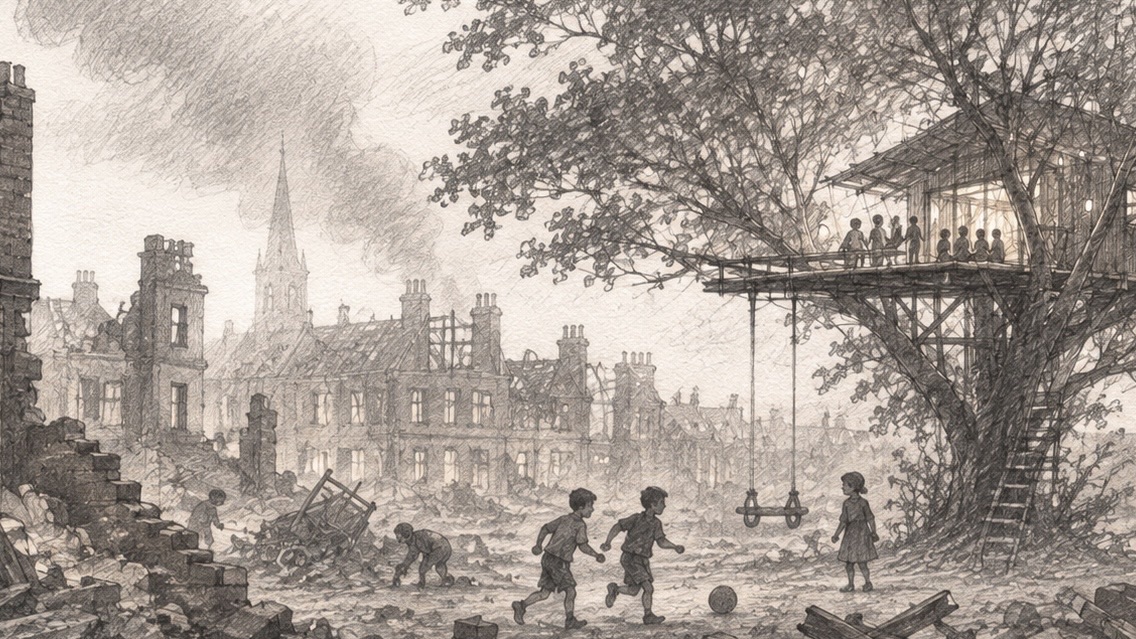
A seven-year-old set a boundary. A difficult conversation crossed it. In the aftermath, our family looks at the crater without allowing it to become the whole landscape—and asks what children need in order to remain safe, free, and fully alive.

