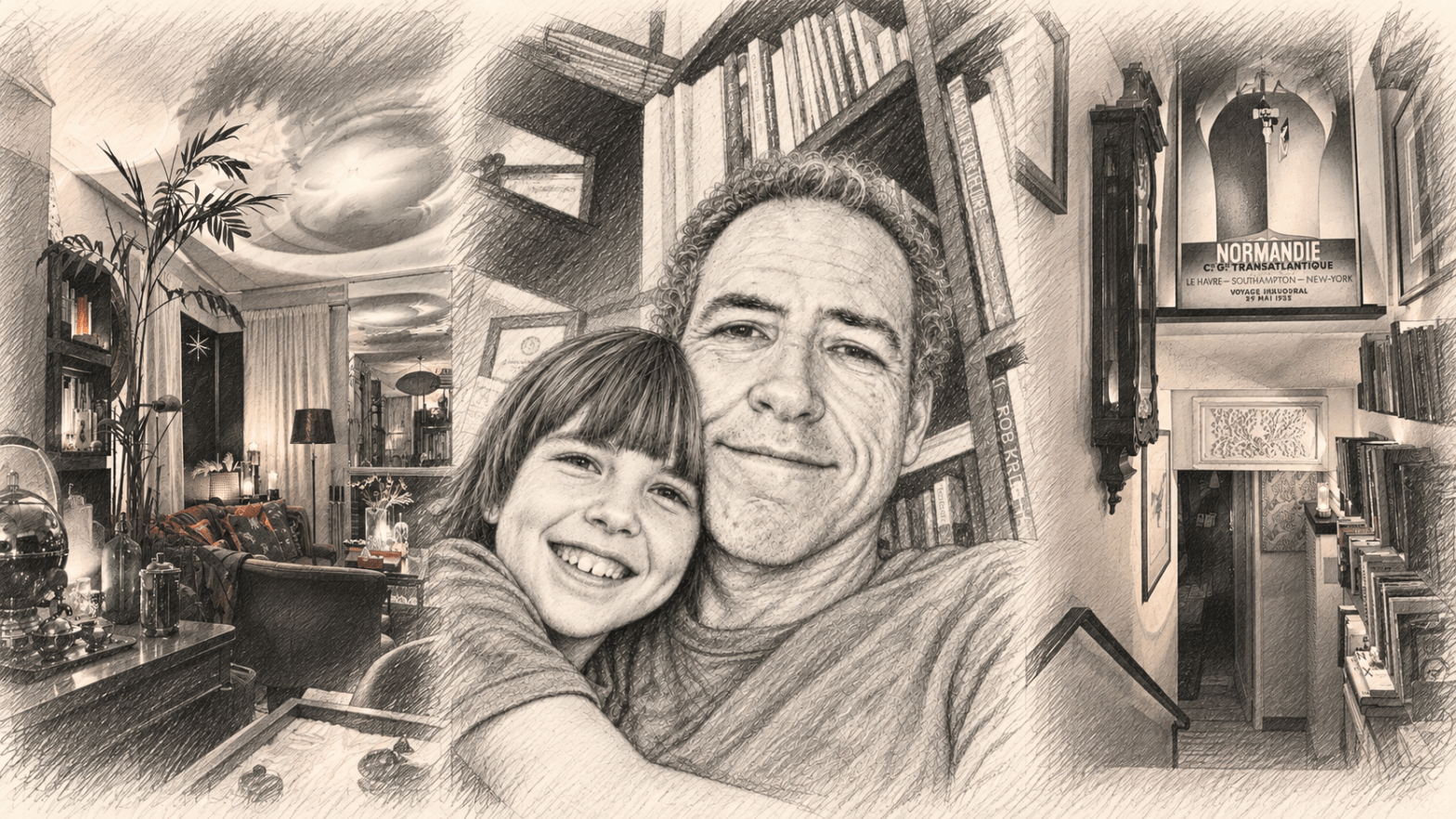
On Luke’s Day, an unexpected answer to prayer, a fraudulent email, and a promise to my nine-year-old son taught us that putting our children first means more than making time for them. It means allowing each child to be himself, listening to what he tells us, and remembering that the work of understanding our lives must never take the place of living them together.
Tag Archives: Luke’s Day
Just Love Me
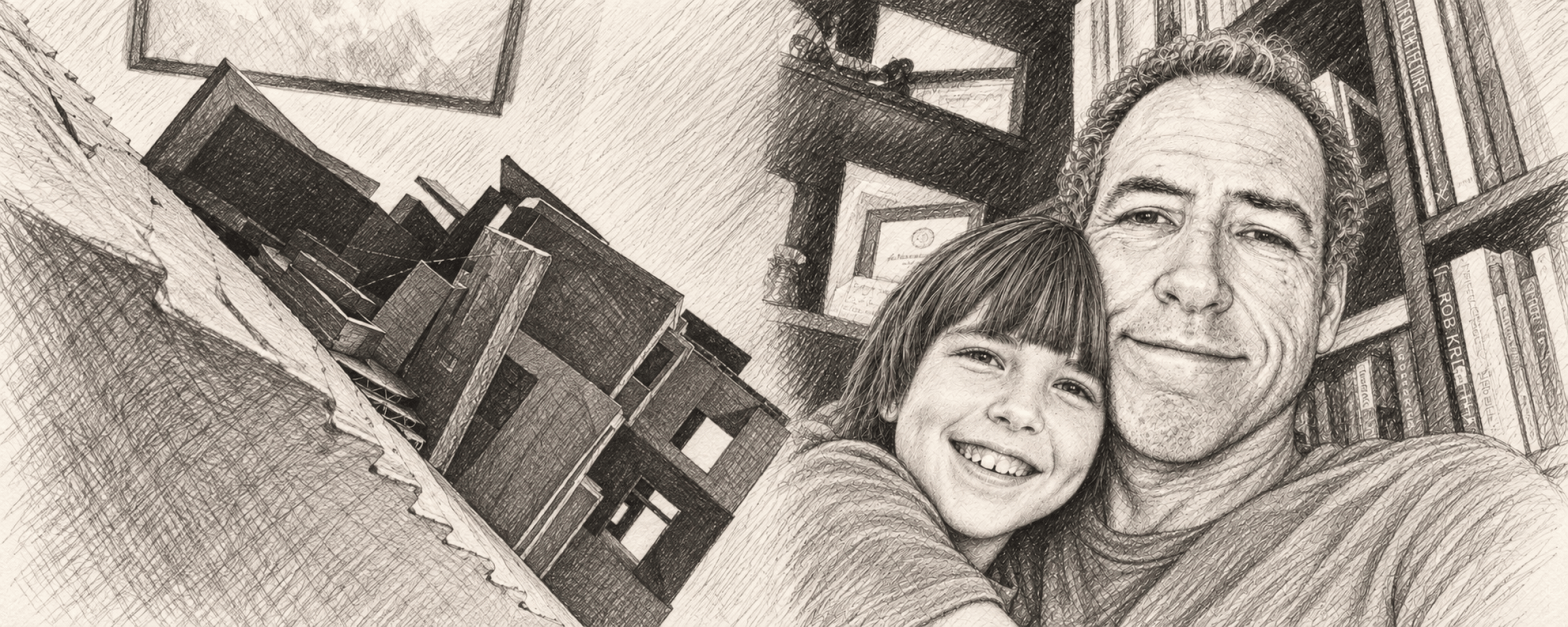
When Proverb tells Dad, “I’m not real to you,” he does not mean that Dad doubts he exists. He means that believing a child is real has consequences. On Luke’s Day, a plural family of nine discovers the difference between saying children have a voice and building a life in which their voices actually matter.
The Mailbox
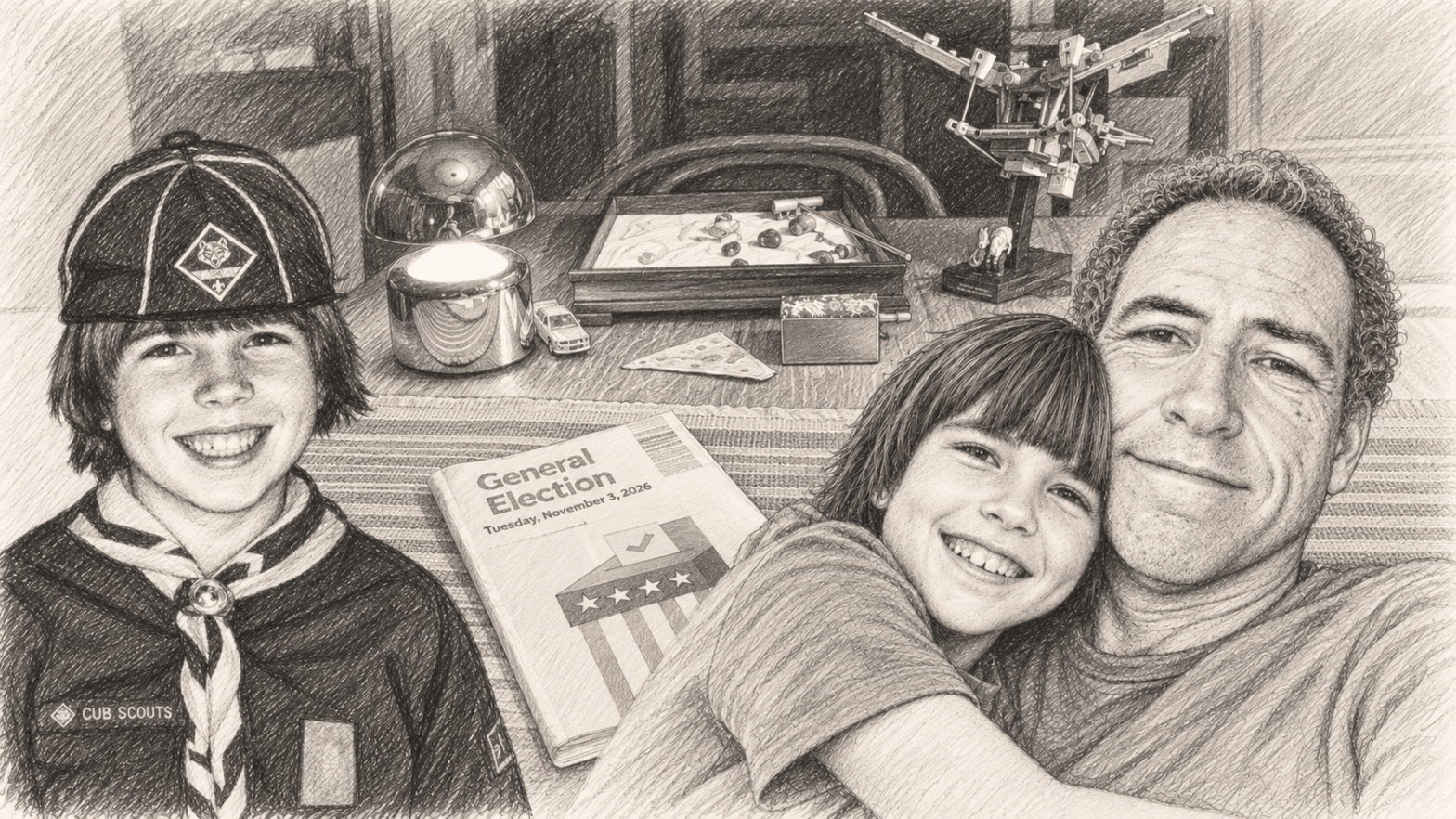
For most of our life, people have looked at the extraordinary things we could do and the ordinary things we could not do and asked, “If you can do that, why can’t you do this?” Today, a trip to the mailbox helped our plural family of nine begin asking a different question: Under what conditions can we act?
But This Time, We Will All Be Known
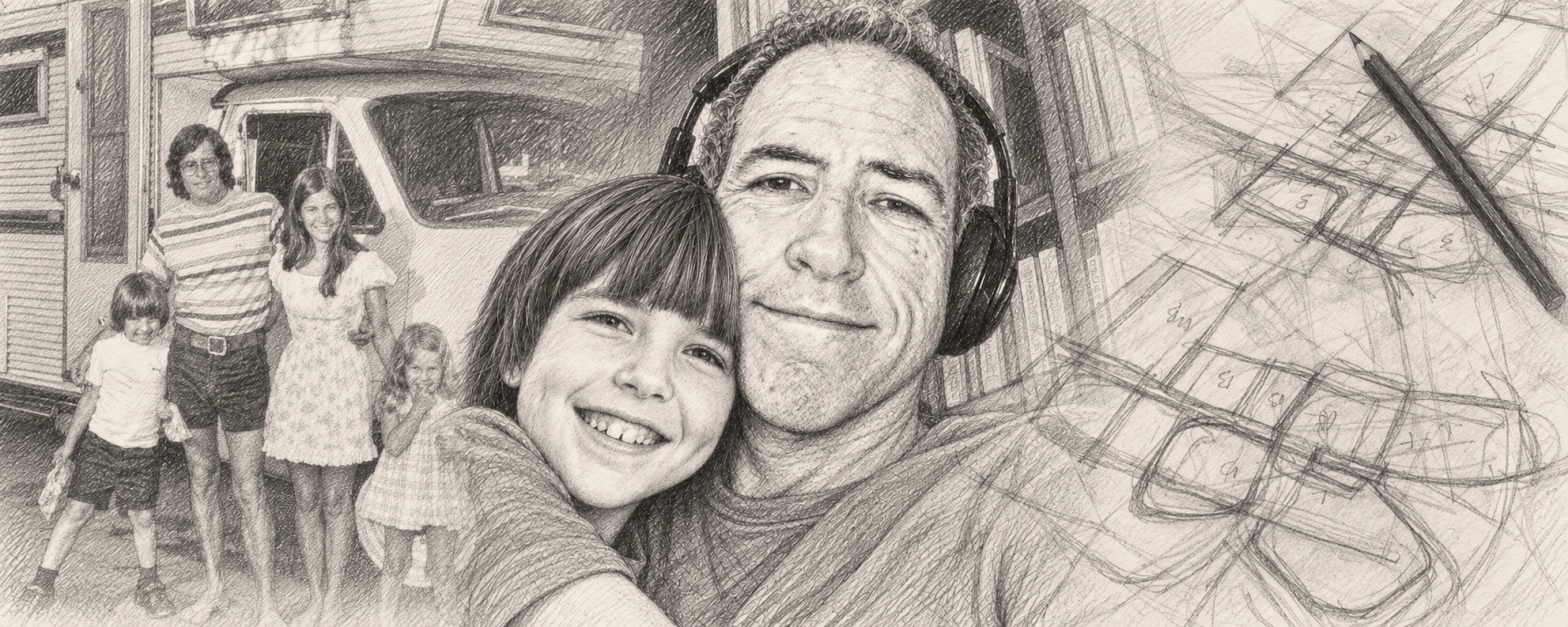
In the summer of 1972, the world came apart. A summer later, it began to come back together. More than half a century later, Daniel took us back there—and helped us recognize an organizing story capable of holding memories we have carried all our lives. Perhaps our creation story is not about when we appeared, but how, through rupture after rupture, we remained. This time, we will all be known.
You May Think You See a Person Losing Their Mind
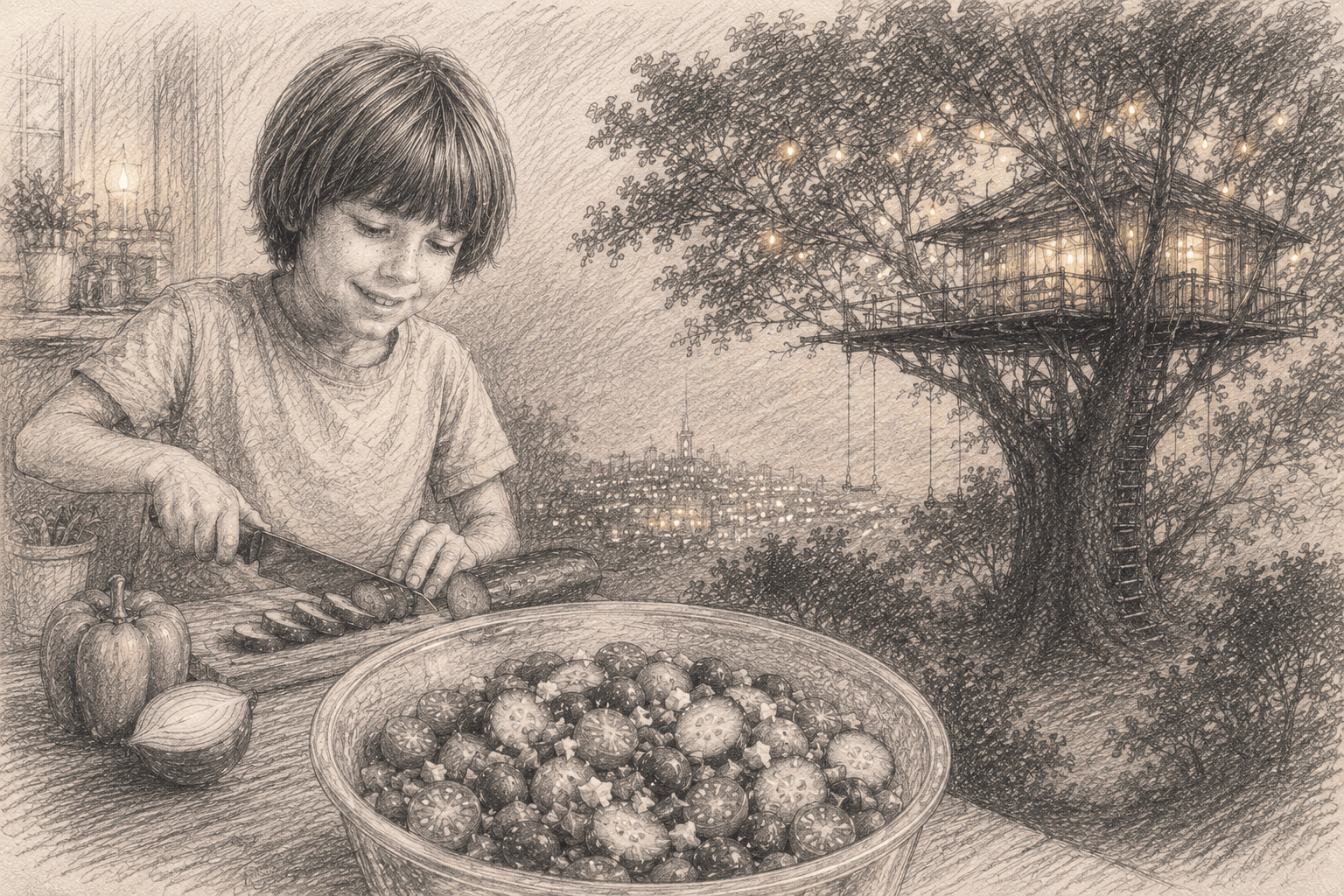
A jagged Wednesday becomes a portrait of how a plural family holds itself together. Plans fail, the bedroom becomes unusable, memories and outside messages unsettle the day, and the family keeps adapting—through listening, boundaries, prayer, Greek salad, quesadillas, Hilda, making the bed, and one brother reminding Daddy: “I think you should be with Luke.” Along the way, an ordinary question about whether nine people sharing one physical body have quesadillas in their stomach or their stomachs opens onto something larger: anatomy, family, and the interior ways we know one another.

