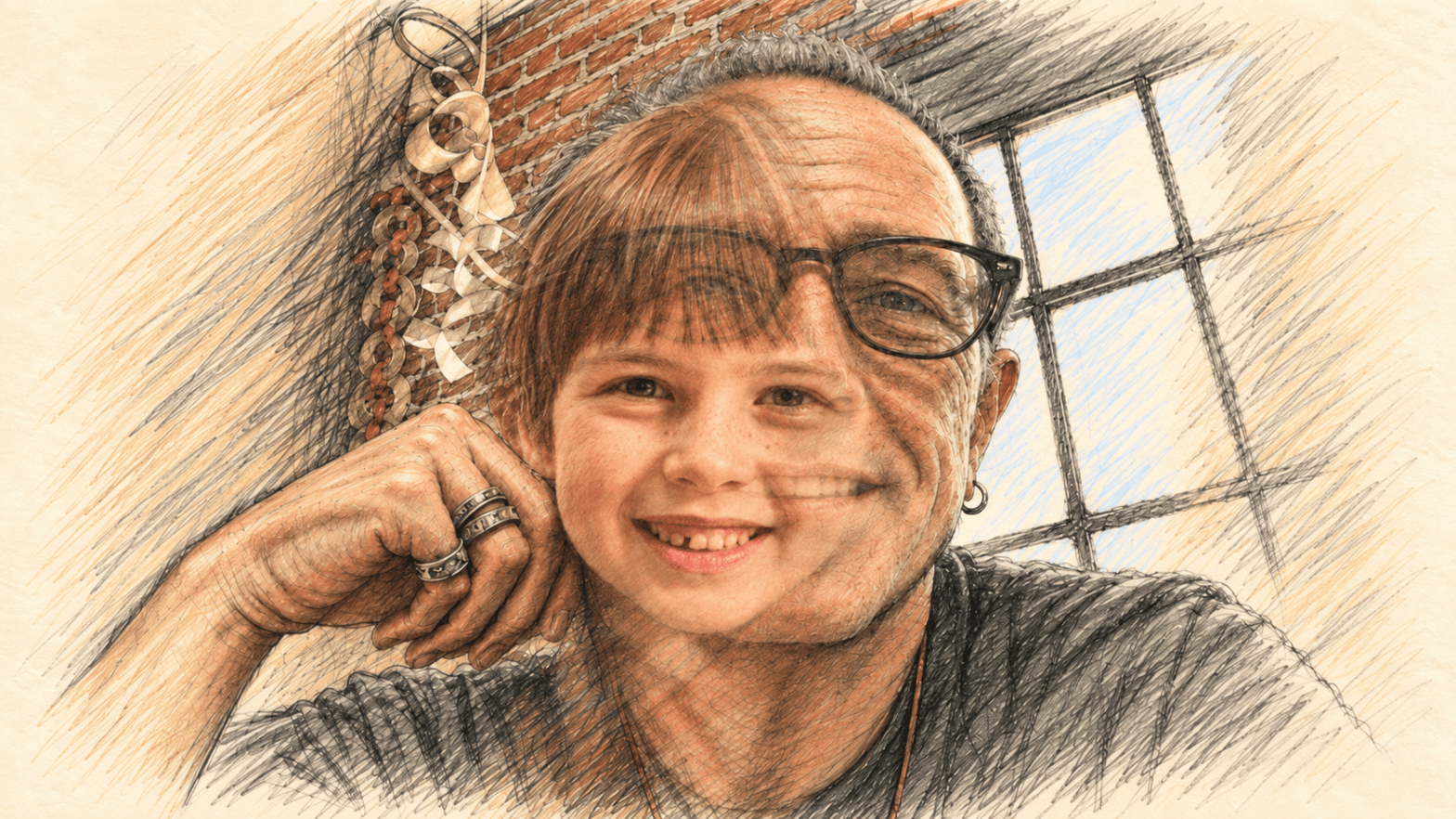
When someone sees and hears the adult, do they recognize the child who may be speaking?
Category Archives: Ordinary Life
They Are Not Mine to Neglect
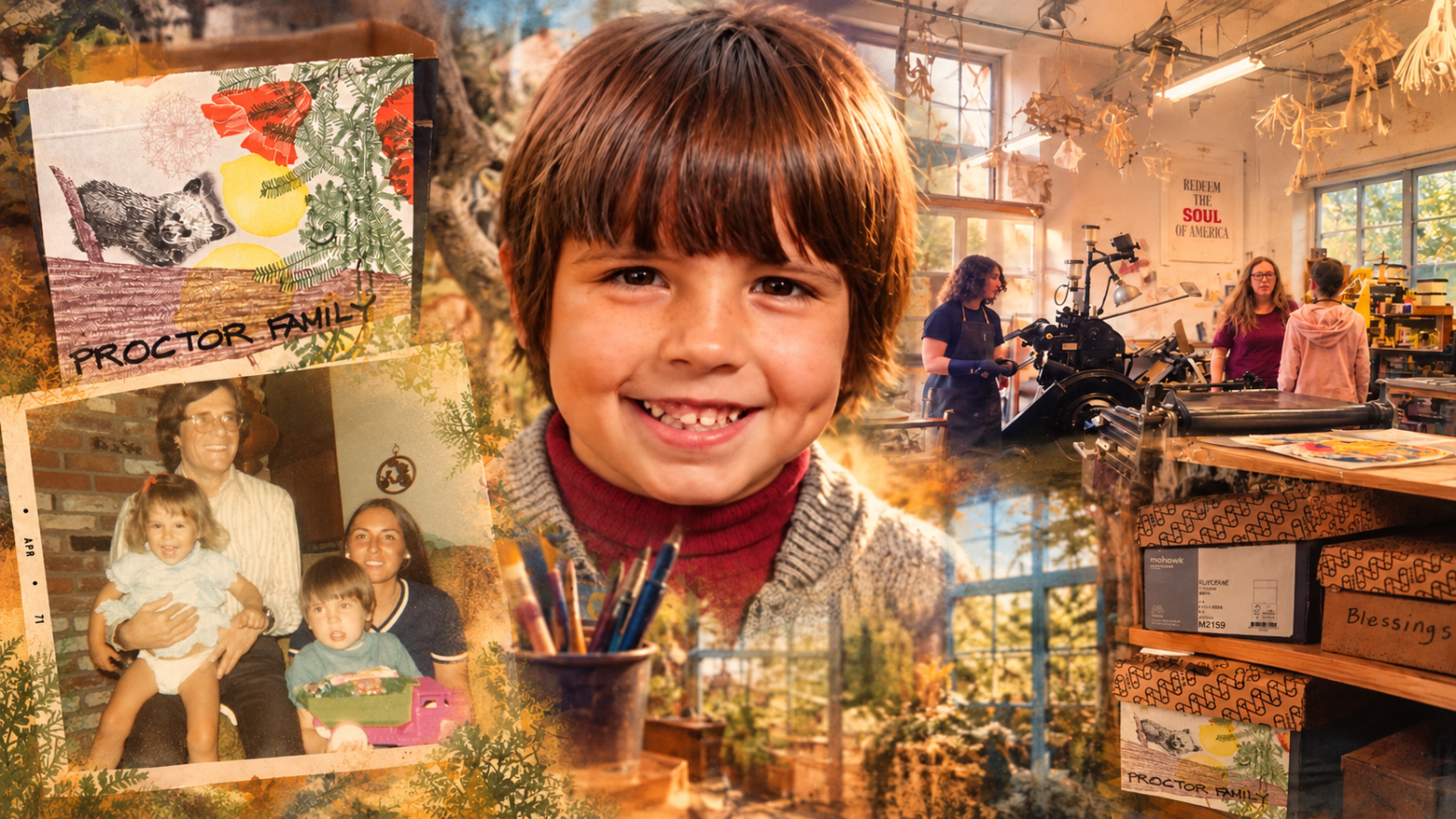
We are a plural family of nine people sharing one body and one life. When a frightening thought suggested that my eight sons might be ghosts of children lost to trauma, I knew what they needed to hear: none of us is a ghost, and none of us is merely a product of what happened to us. Through childhood memories, an afternoon among friends, a difficult financial decision, and quiet moments together, I am learning what it means to be their father: to honor their individual lives, listen to their voices, and make room for the childhoods they deserve.
The Life We Are Trying to Make Room For

After an end of employment, we finally had more time to be together. But on Dad’s Day, we discovered that writing about our life had begun taking time away from living it. A county envelope, eight children waiting for their daddy, and an evening holding Luke helped us remember what we had been trying to make room for all along.
Take Care of Your Kids
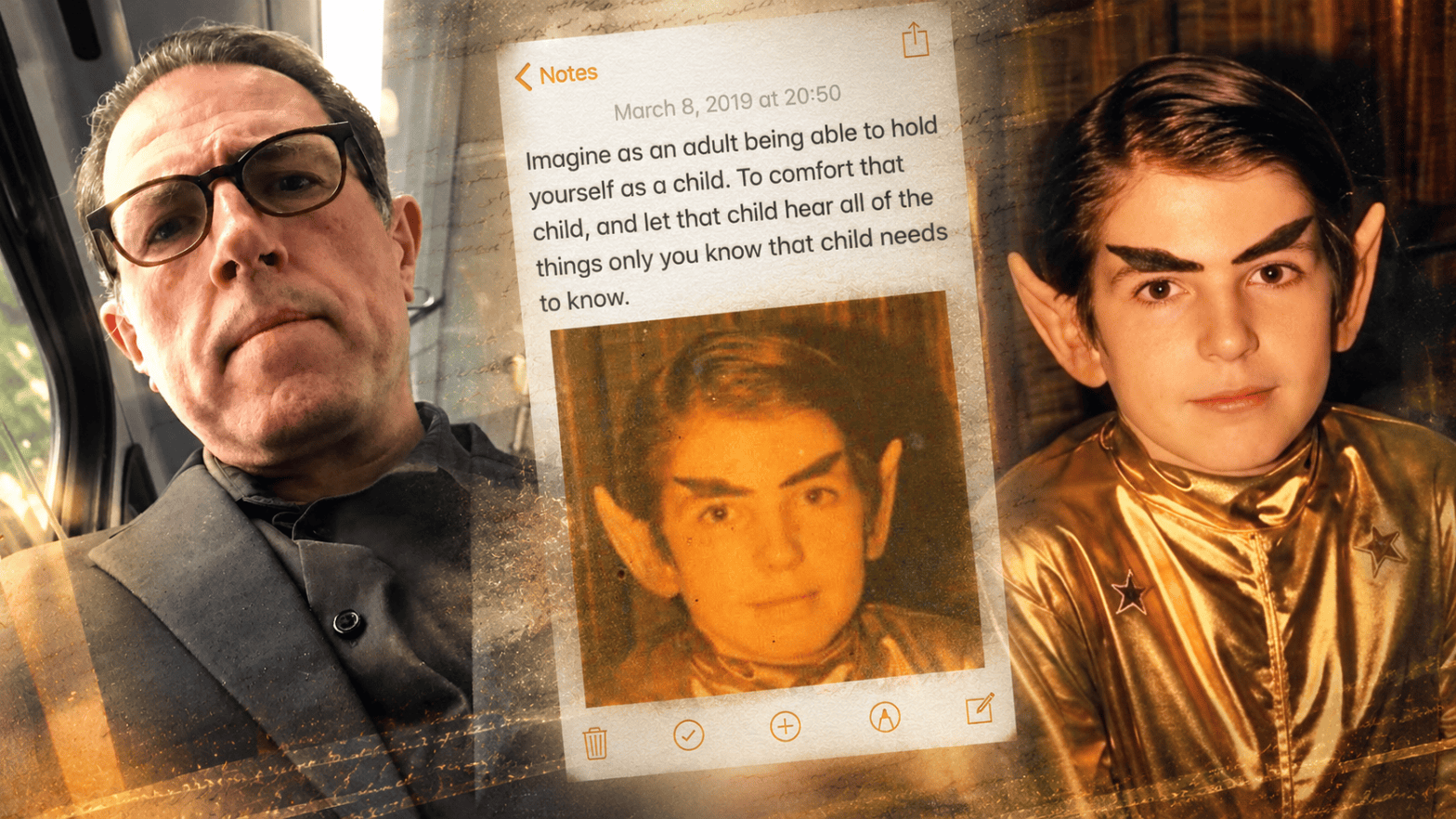
A Greek salad, a childhood photograph, and a second therapy session that changed how we understood our future. We arrived afraid that our family would be judged. Instead, our therapist recognized all nine of us, challenged a terrible lesson learned in childhood, and gave us permission to spend six months recovering. Sometimes the most extraordinary gift comes in the simplest words: “Take care of your kids.”
What It Takes for Us to Be Here
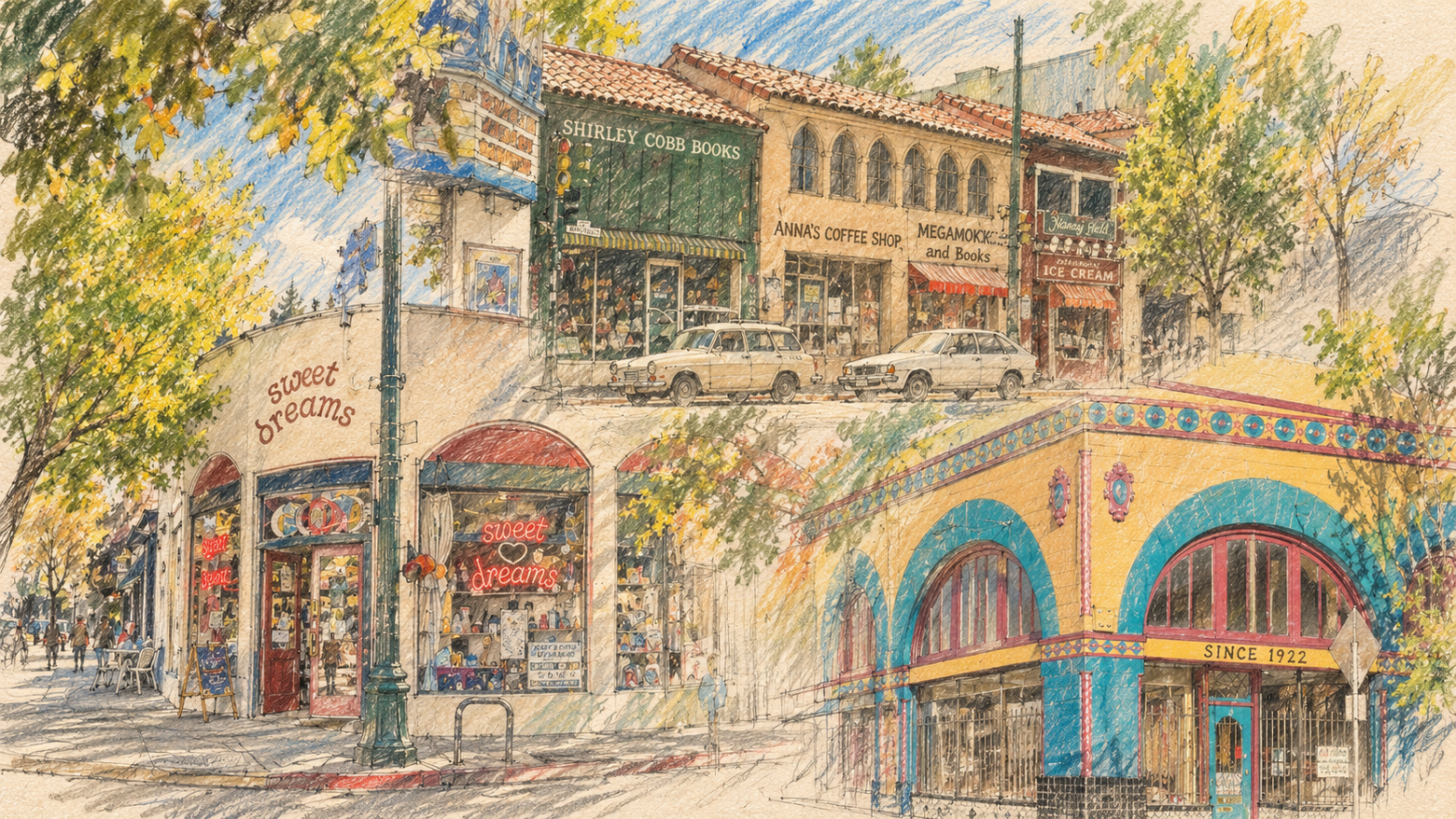
A childhood memory, our mother’s injury, and two questions from our new therapist reveal the extraordinary, often invisible work of maintaining an ordinary life as a plural family of nine—and what it takes to make that life sustainable.
Maybe We Graduated
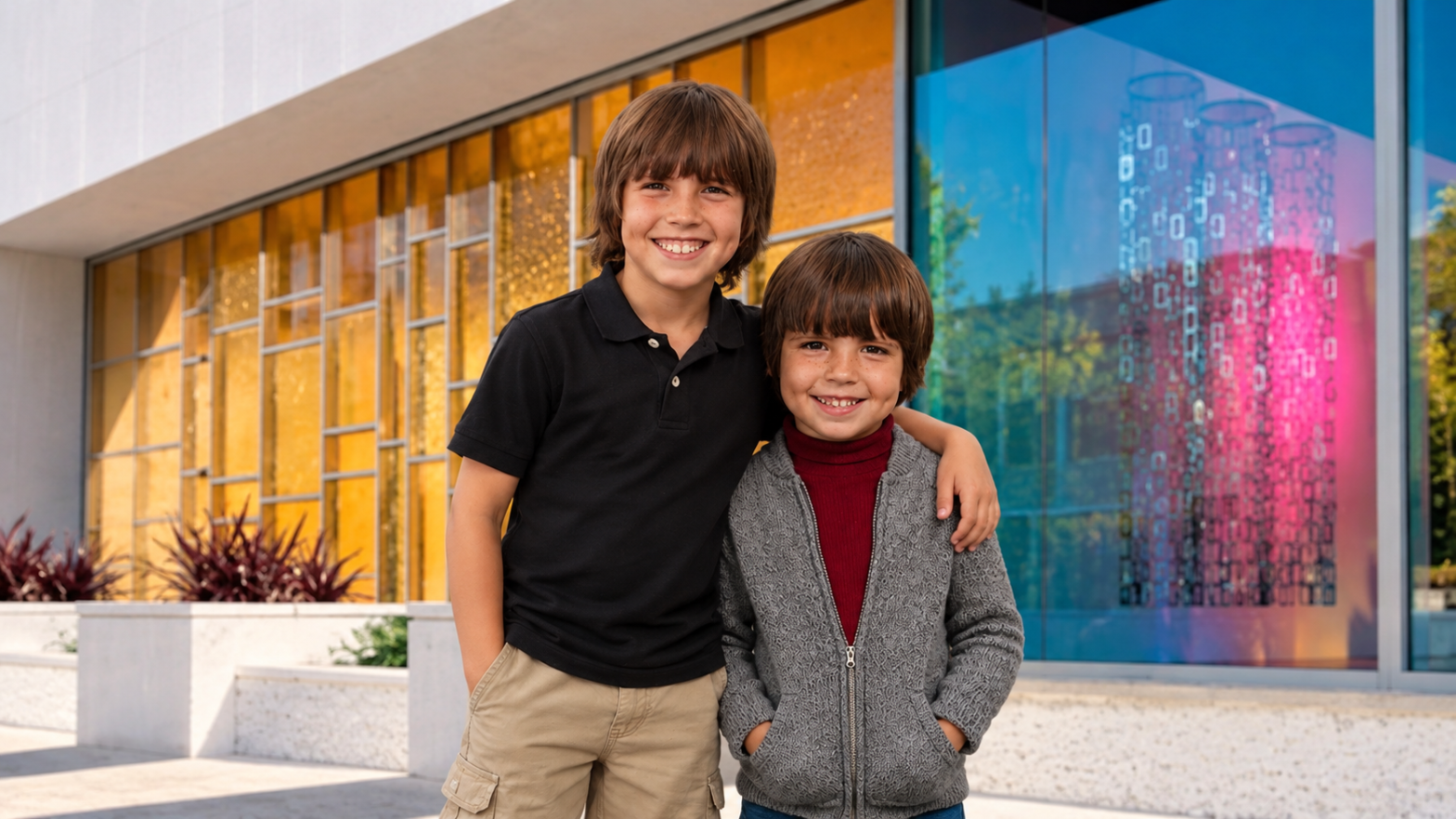
After nearly thirty years in architecture, we asked Jesus to put us where he wanted us. What followed was the greatest job we never knew we wanted—and six years that transformed our plural family of nine. On Han’s Day, we reflect on faith, disability accommodations, beloved community, the little brother Han has loved for decades, and the possibility that losing a job doesn’t mean losing our vocation. Maybe we graduated.
I Have This Life in My Arms
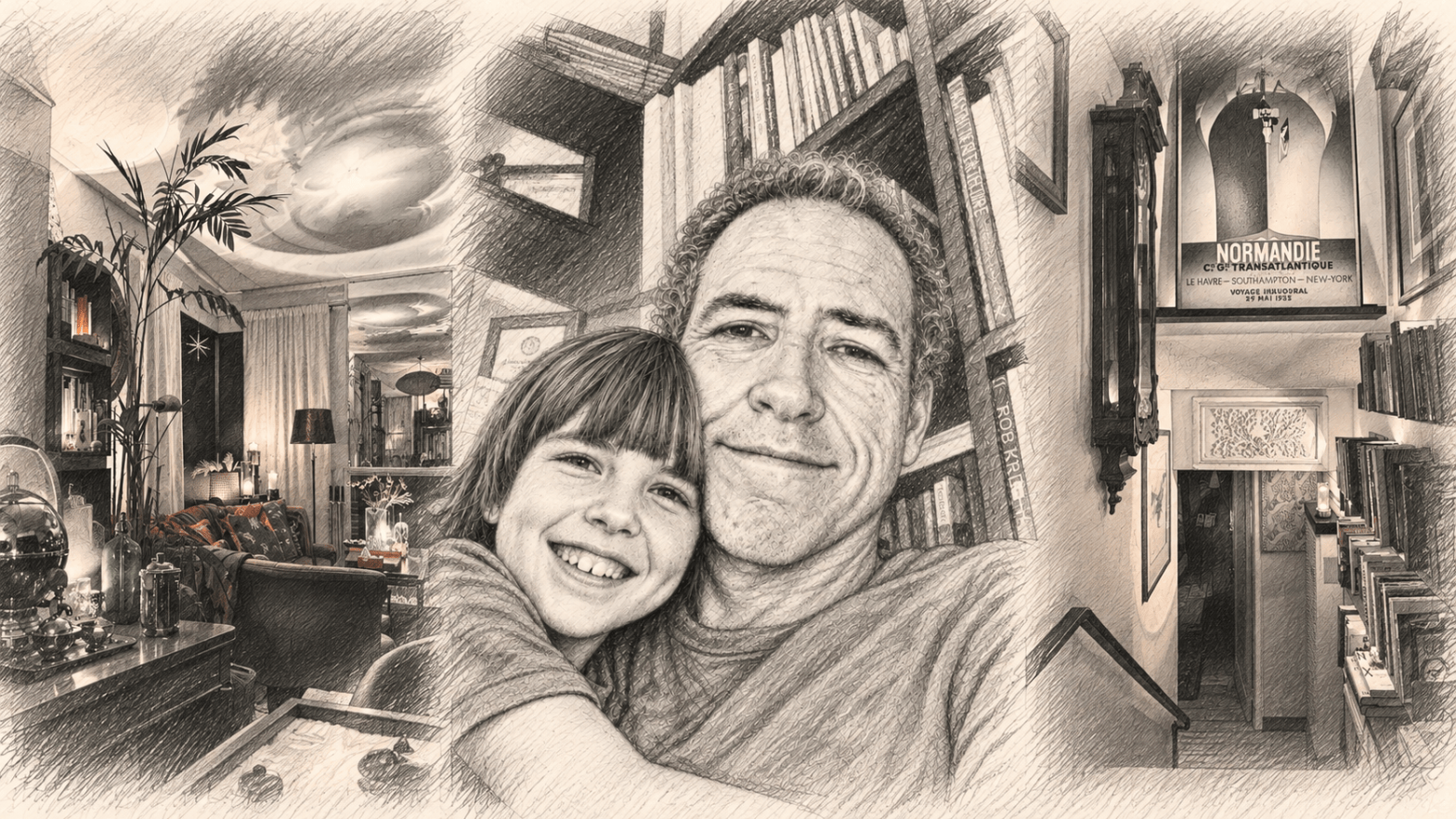
On Luke’s Day, an unexpected answer to prayer, a fraudulent email, and a promise to my nine-year-old son taught us that putting our children first means more than making time for them. It means allowing each child to be himself, listening to what he tells us, and remembering that the work of understanding our lives must never take the place of living them together.
Love Is Not What Happens After Everything Else Is Finished
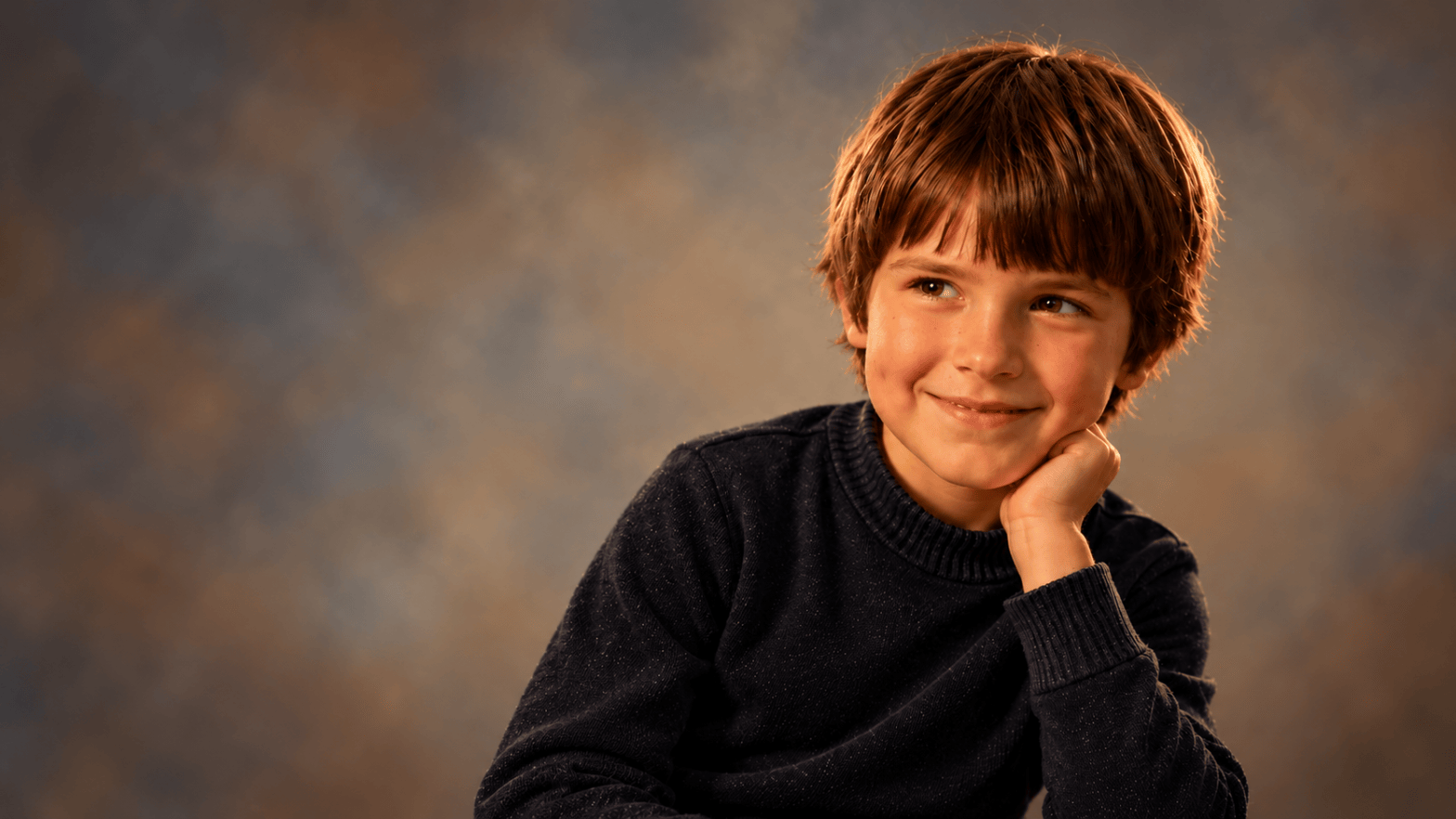
On Solis’s Day, an urgent effort to help a neighbor find housing brought an old workday back into our home. But three extraordinary minutes with my seven-year-old son helped us understand what life might look like if we organized it around the children—and remembered that love is not what happens after everything else is finished.
The Scale of a Five-Year-Old
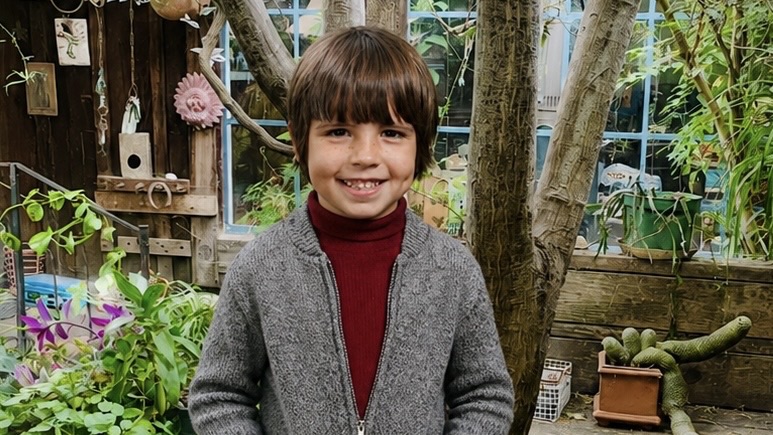
When Daniel showed us a five-year-old trying to operate adult-sized machinery, we remembered a time when childhood really had become too large for us. Then came Granddad’s enormous hand beside our little one, and a world of meals, routines, kindergarten and being held. Perhaps safety begins with being brought back to scale.
Just the Things That Hurt You, Jude. Not Jude.
On the morning of our first therapy session, my four-year-old son asked, “But what if they make me go away?” By the end of the day, nine people sharing one body had begun discovering another possibility: healing might not make any of us less ourselves. Maybe the things that hurt us can become smaller—and there can be more room for all nine of us to live.

