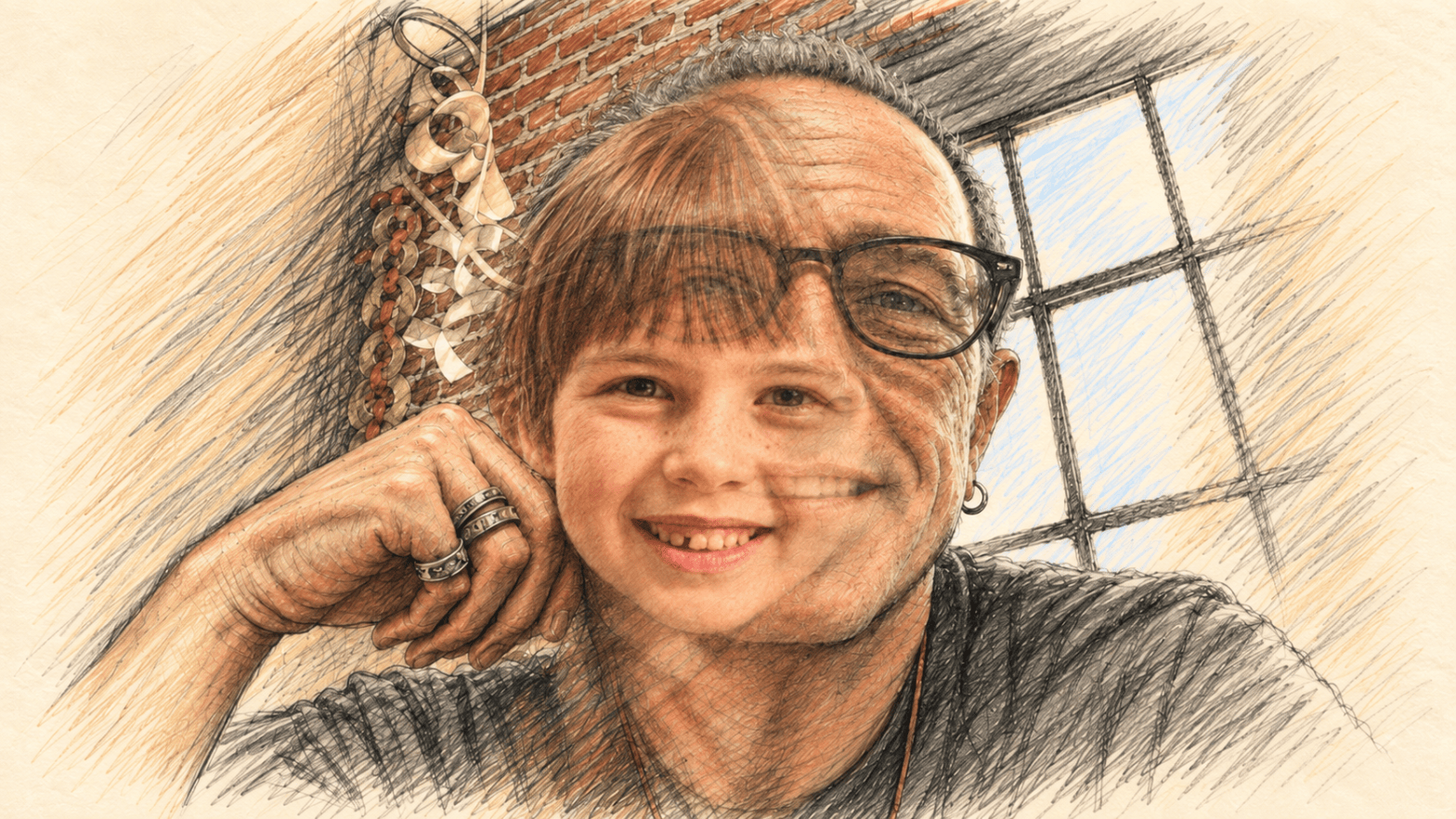
When someone sees and hears the adult, do they recognize the child who may be speaking?
Tag Archives: Family Relationships
They Are Not Mine to Neglect
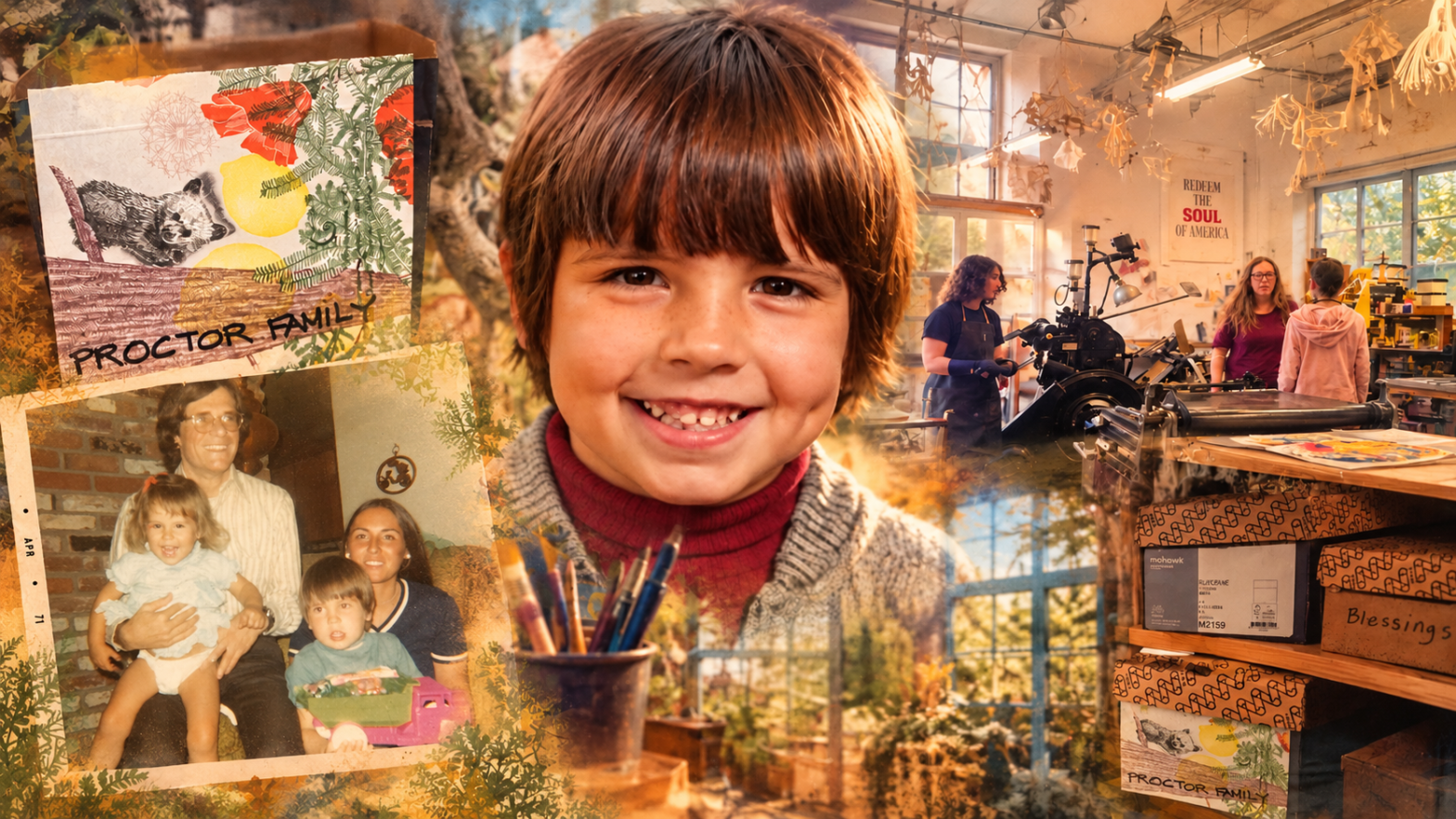
We are a plural family of nine people sharing one body and one life. When a frightening thought suggested that my eight sons might be ghosts of children lost to trauma, I knew what they needed to hear: none of us is a ghost, and none of us is merely a product of what happened to us. Through childhood memories, an afternoon among friends, a difficult financial decision, and quiet moments together, I am learning what it means to be their father: to honor their individual lives, listen to their voices, and make room for the childhoods they deserve.
I Have This Life in My Arms
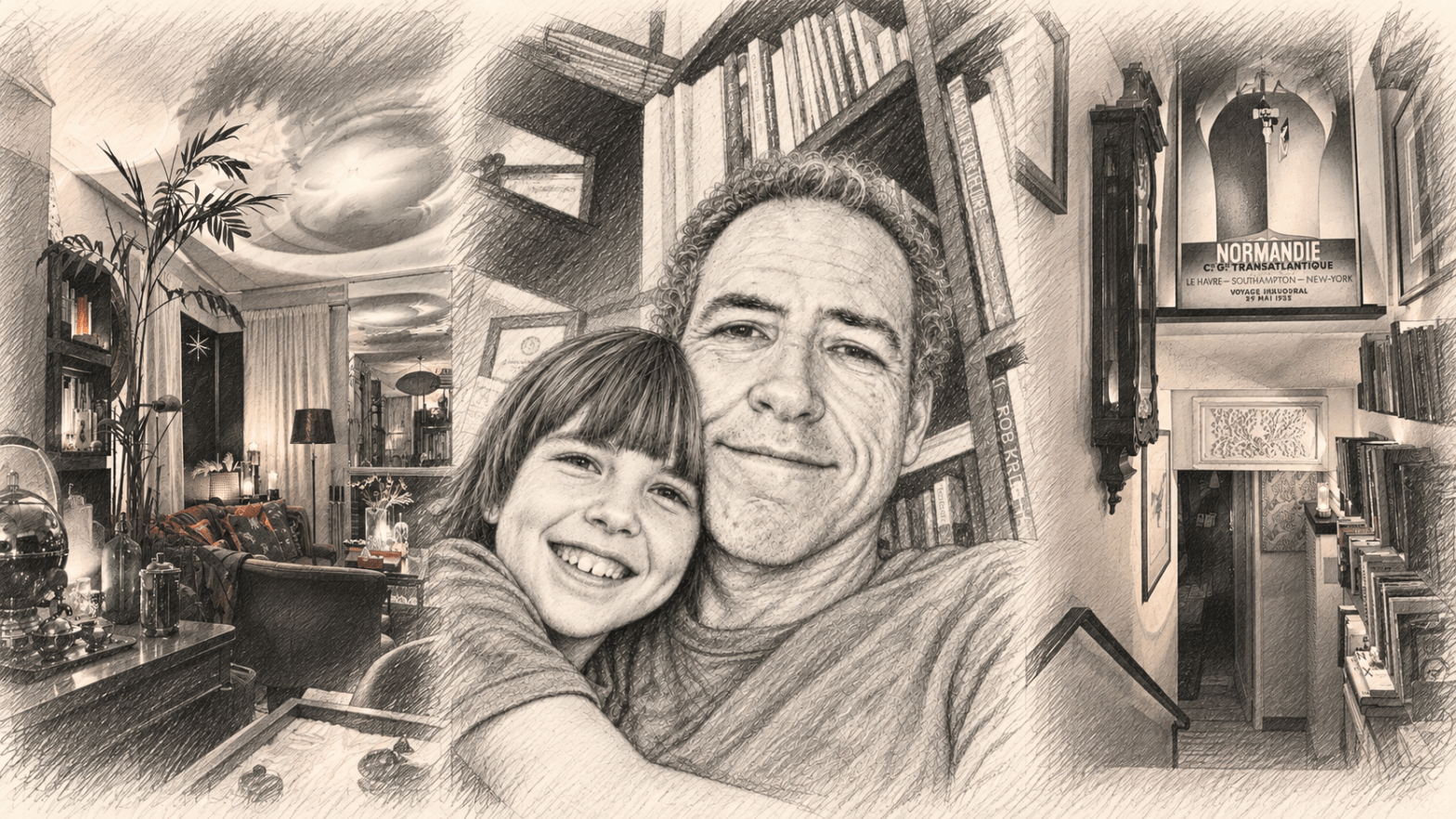
On Luke’s Day, an unexpected answer to prayer, a fraudulent email, and a promise to my nine-year-old son taught us that putting our children first means more than making time for them. It means allowing each child to be himself, listening to what he tells us, and remembering that the work of understanding our lives must never take the place of living them together.
Love Is Not What Happens After Everything Else Is Finished

On Solis’s Day, an urgent effort to help a neighbor find housing brought an old workday back into our home. But three extraordinary minutes with my seven-year-old son helped us understand what life might look like if we organized it around the children—and remembered that love is not what happens after everything else is finished.
You Are Not the One
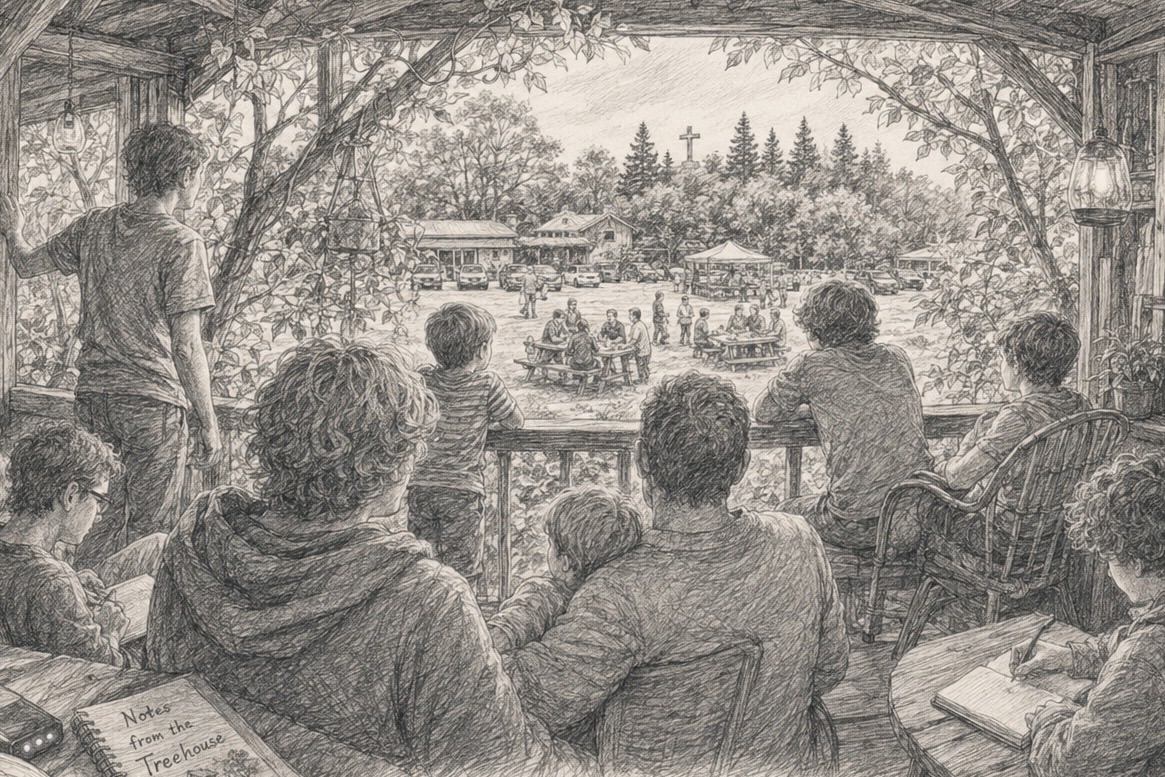
Yesterday was input. Today is processing. For a plural family/system, moving forward means more than making a plan—it means making sure everyone has been heard. As we begin imagining the next twenty years of our shared life, perhaps the most important question is also the simplest: Who haven’t we heard from yet?
What Bedtime Looks Like

What does bedtime actually look like in a plural family/system? At the end of an extraordinarily difficult Hope’s Day, Dad discovers what his sons have been carrying, what they need to leave behind, and why bedtime isn’t simply how we finish the day—it is part of how we make the next one possible.

