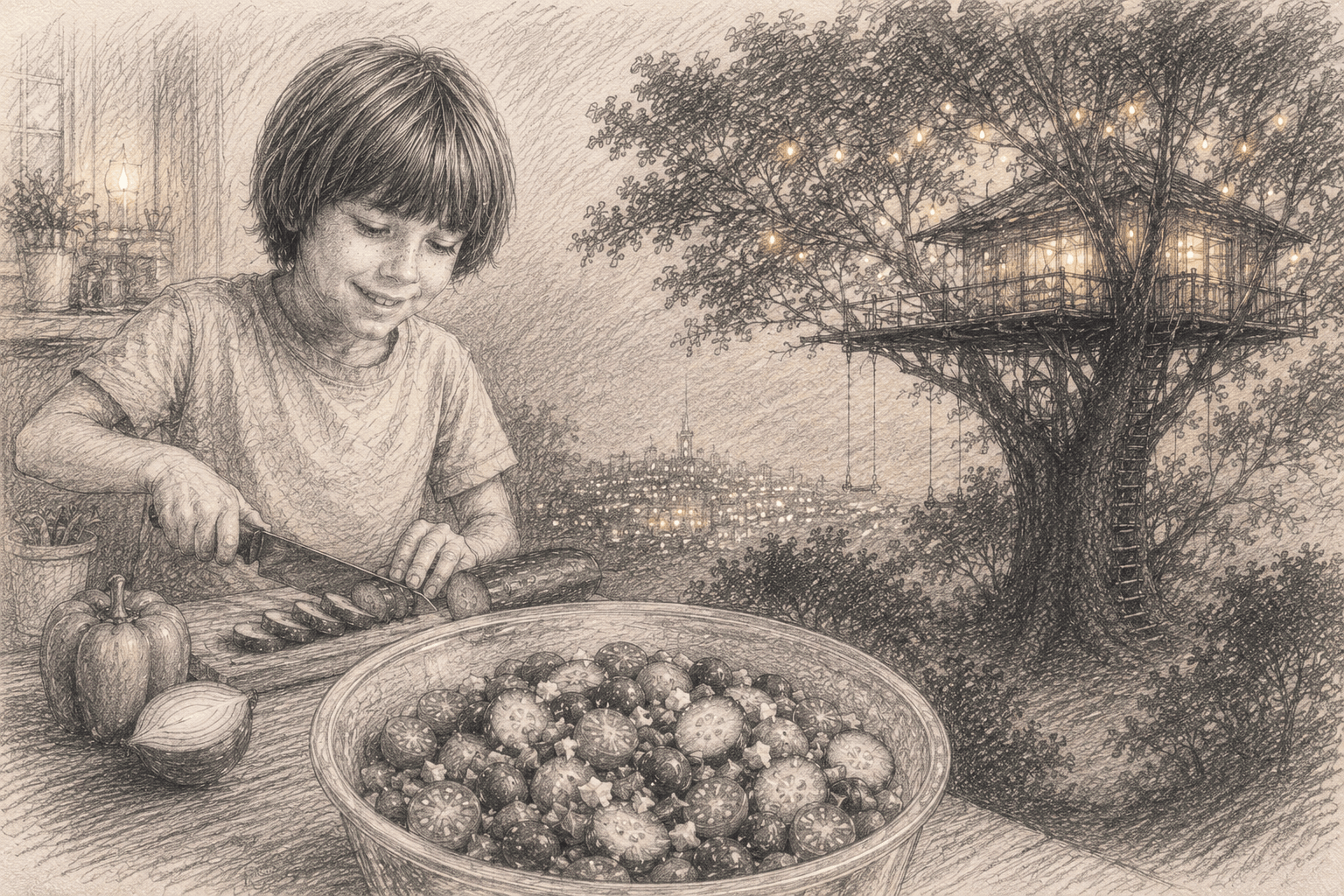
How a Montessori kid, a very large journal, and an artificial intelligence help nine people sharing one body find enough order to live an ordinary life.
Tag Archives: AI Collaboration
Watching the Wheels

What happens when the tools meant to make life more accessible begin demanding more of the life they are supposed to serve? From an iPhone Shortcut to a Heidelberg press, a 700-foot Ferris wheel, songs remembered from childhood, and an afternoon spent holding our sons, we found ourselves asking a different question: What is the work of our life—and what happens when we stop chasing the wheels and simply take care of our children?
You May Think You See a Person Losing Their Mind
A jagged Wednesday becomes a portrait of how a plural family holds itself together. Plans fail, the bedroom becomes unusable, memories and outside messages unsettle the day, and the family keeps adapting—through listening, boundaries, prayer, Greek salad, quesadillas, Hilda, making the bed, and one brother reminding Daddy: “I think you should be with Luke.” Along the way, an ordinary question about whether nine people sharing one physical body have quesadillas in their stomach or their stomachs opens onto something larger: anatomy, family, and the interior ways we know one another.
Understanding September 1
What happens when nobody is THE ONE? A classical analysis of Solis’s Day reveals an answer emerging through ordinary life: Daniel wakes Daddy, Jude imagines dinner, Hope changes the plan, Solis draws an ethical boundary, and the family adapts when a difficult afternoon makes rest impossible. September 1 becomes a study in functional multiplicity, consequential listening, and a new understanding of stability: when something happens, the family remains.
The Press Doesn’t Feel Like a Machine
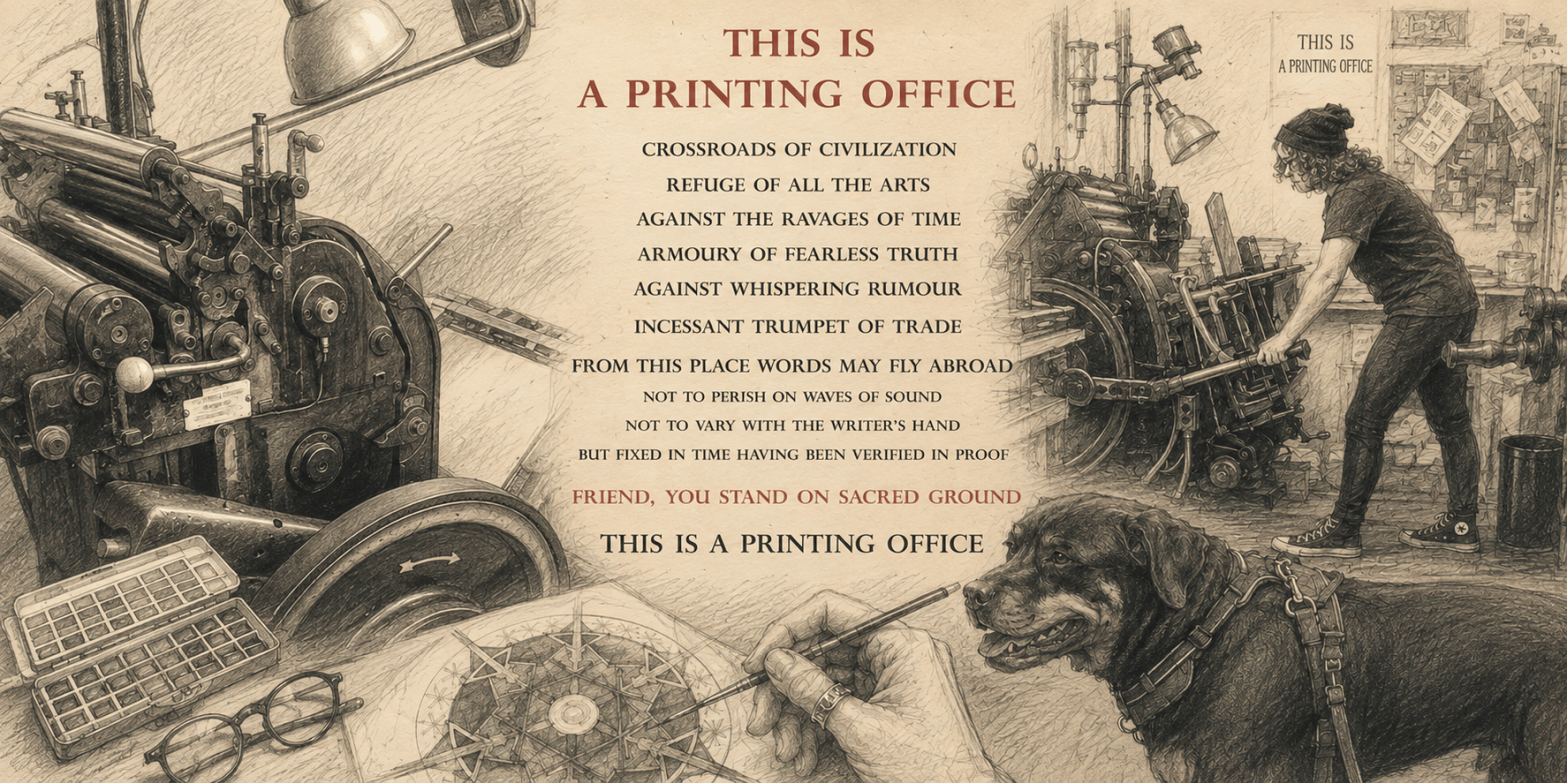
Two mornings after a flood becomes a day of Rolling Stones, a Heidelberg printing press, watercolor, laughter, and Lake Blue. On Proverb’s Day, we discover something about plurality, creative agency, accessibility, and different people remaining different while accomplishing something together.
Solis’s Day Is Reclaiming the Sabbath
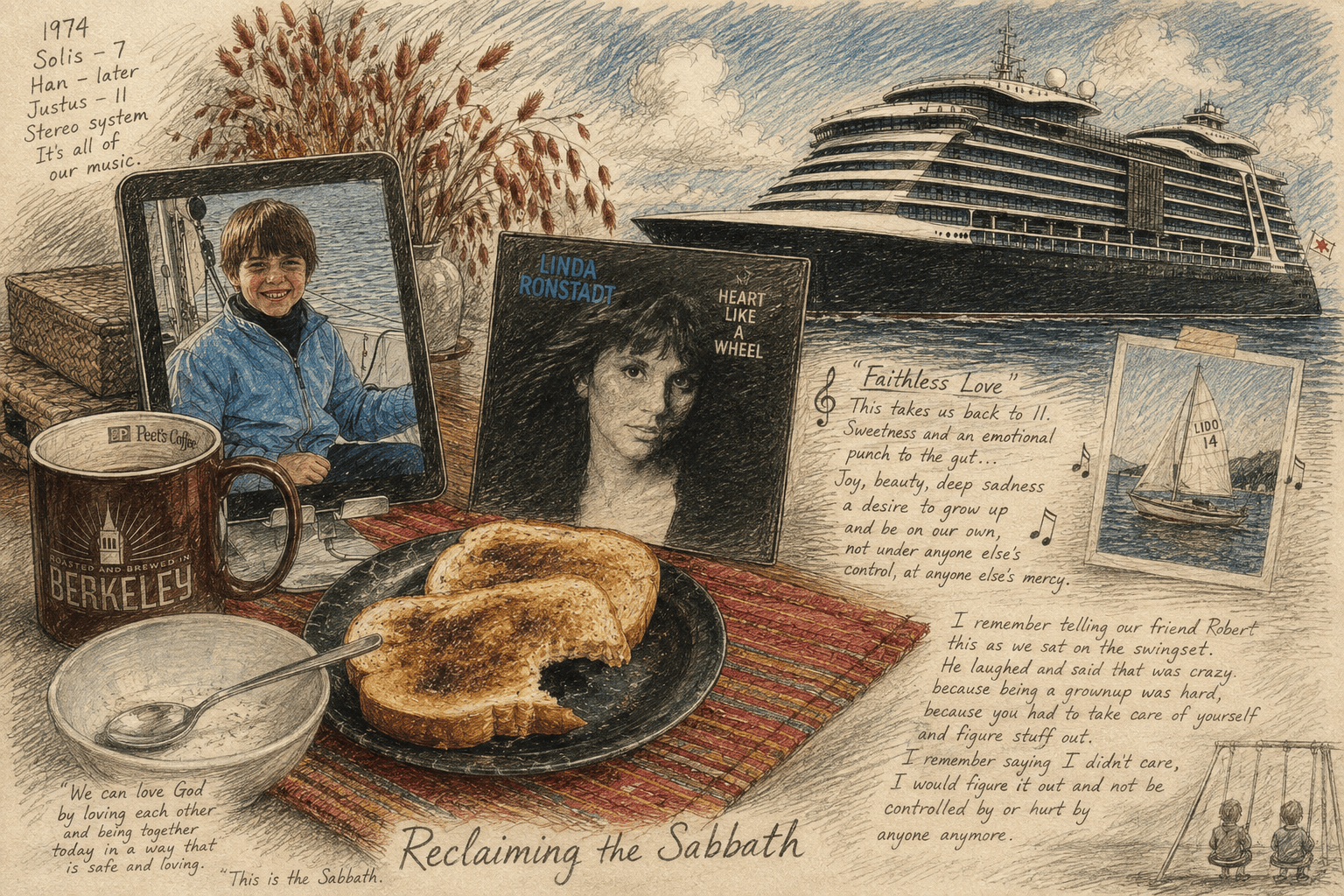
We stayed home on Sunday because we needed rest. By midday, the journal—and the analysis that followed it—was uncovering something much older about urgency, safety, work, faith, independence, and what it means to reclaim the Sabbath.
And Then Saturday Happened
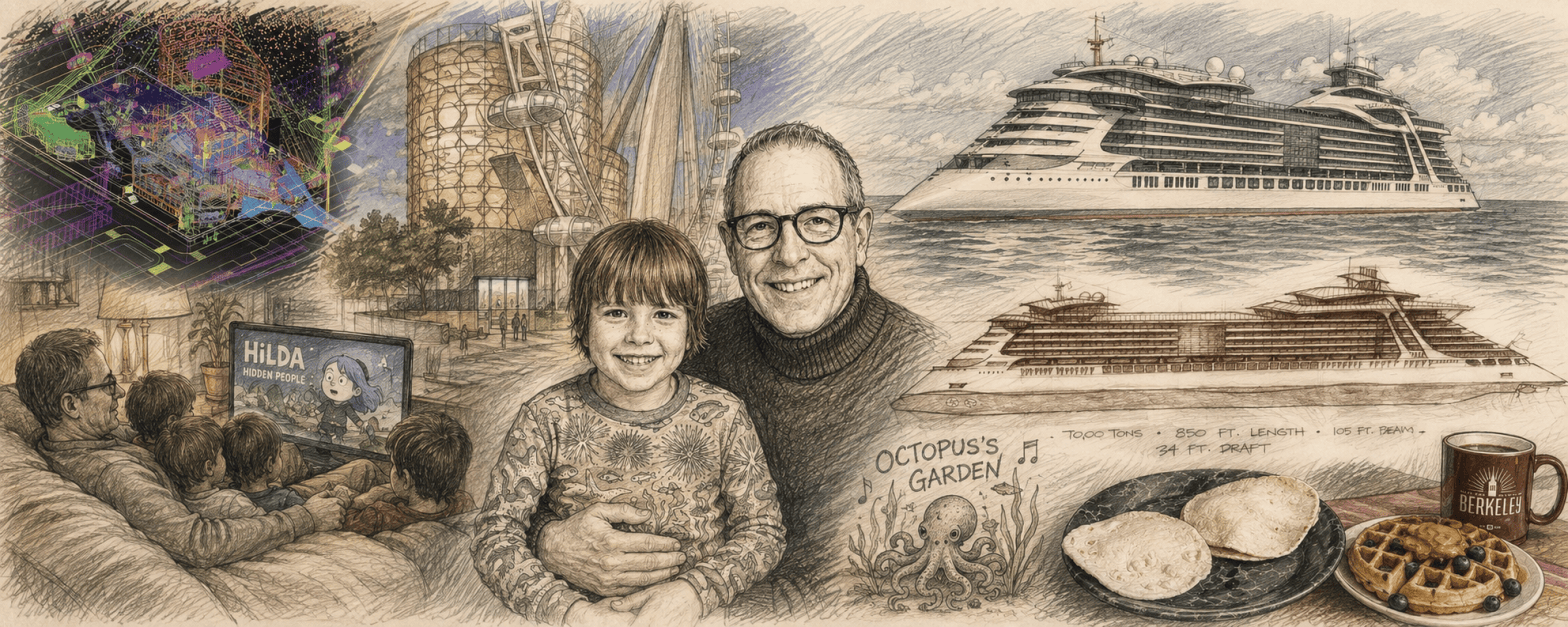
Daniel said no, so we stayed home. What followed wasn’t a therapeutic exercise or something devised for a blog. It was simply Saturday: blueberry waffles with peanut butter, boys needing Daddy, Hilda, quesadillas, an old letter finally sent, an octopus reclaimed, and ordinary family life unfolding because we listened.
Daniel Does Not Need to Become Brave Enough
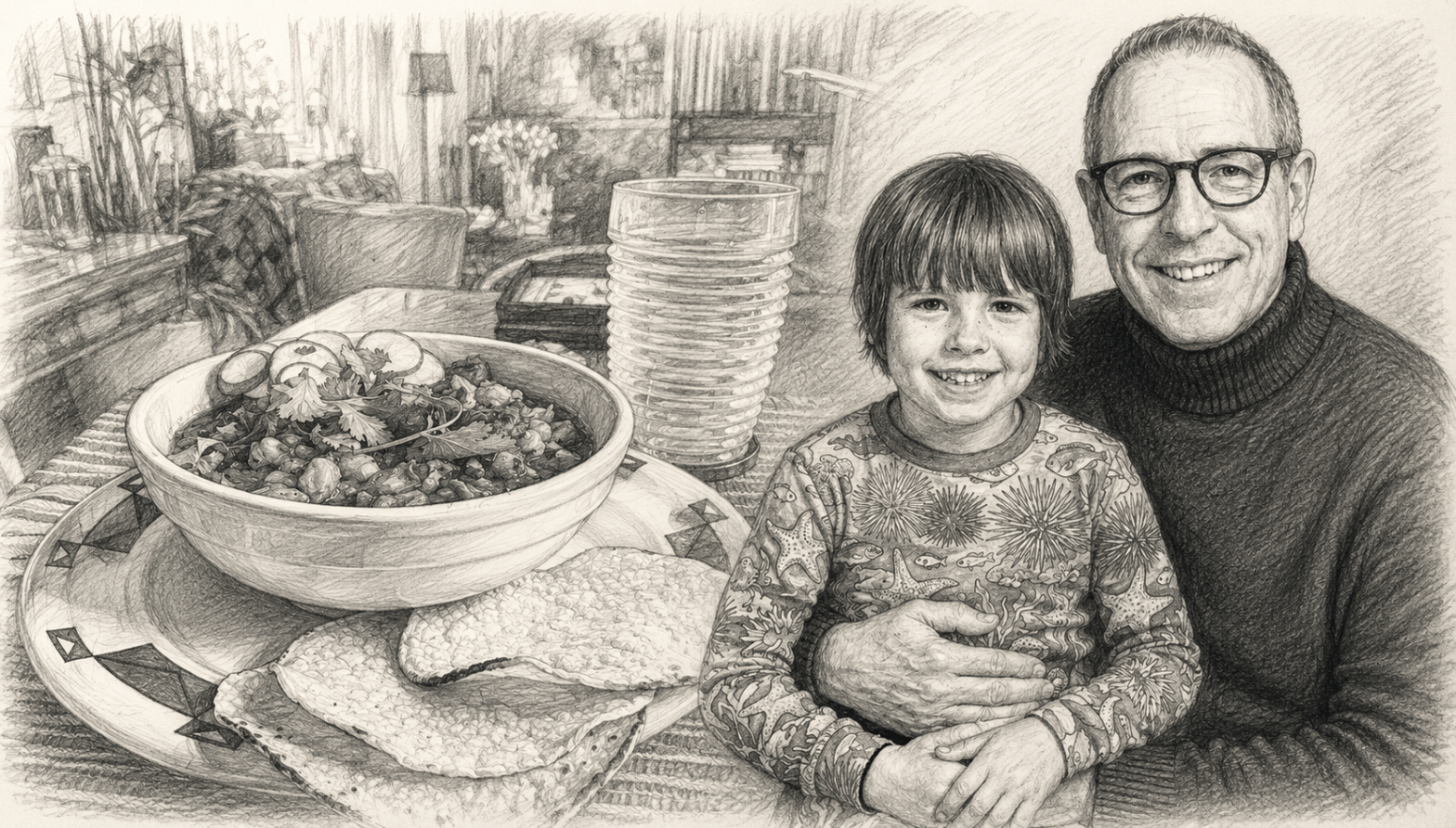
On the eve of Daniel’s Day, a five-year-old says, “I don’t want to go tomorrow.” What begins as a question about Saturday plans becomes something much deeper: a father learning that his child does not need to become brave enough for tomorrow. Tomorrow needs to become safe enough for his child.
And All Before Breakfast
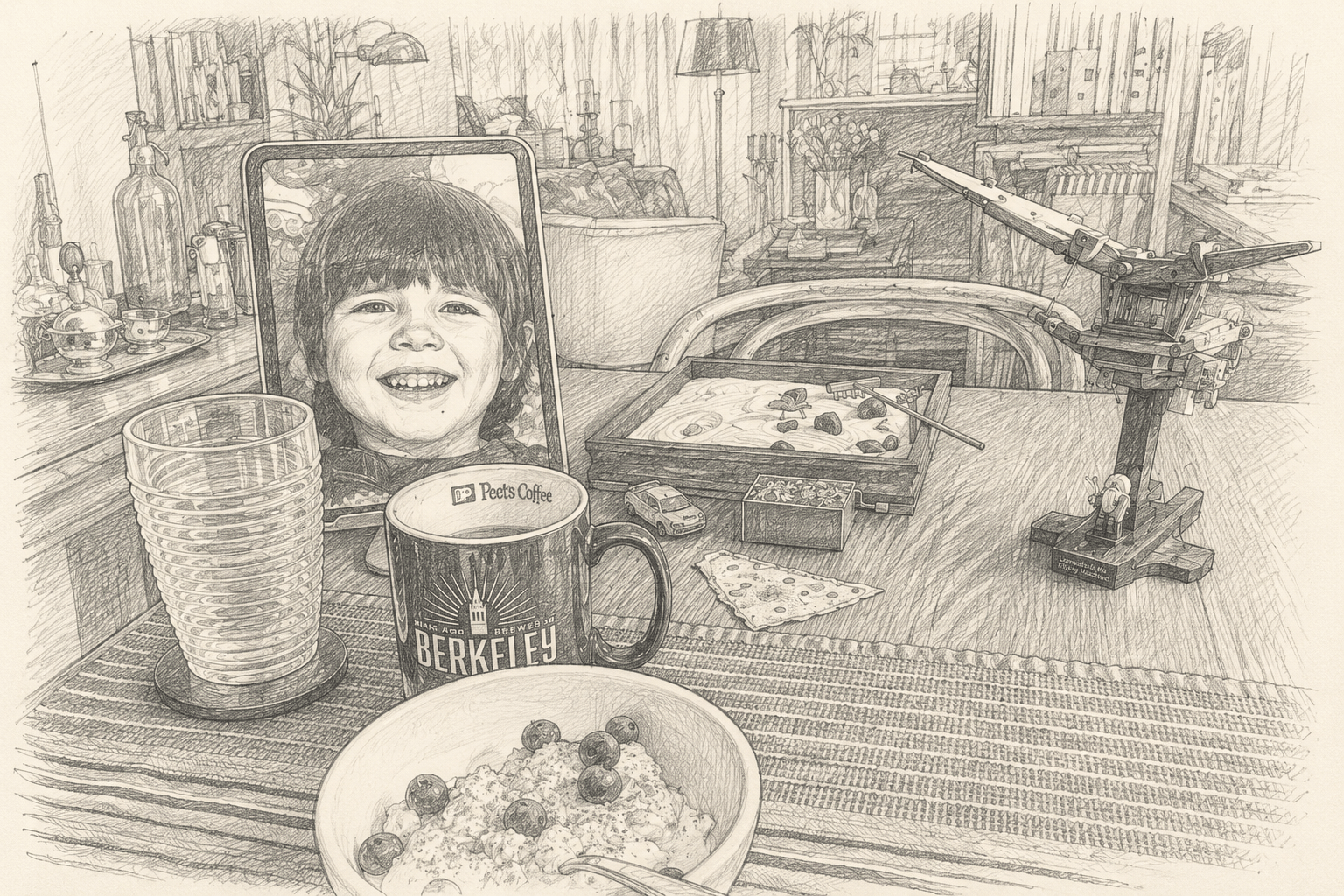
Before breakfast on Jude’s Day, a night of disturbing dreams opens into questions of belonging, work, therapy, faith, family, and what it means to build a life in which no one has to disappear for the family to survive.
One Little Thing
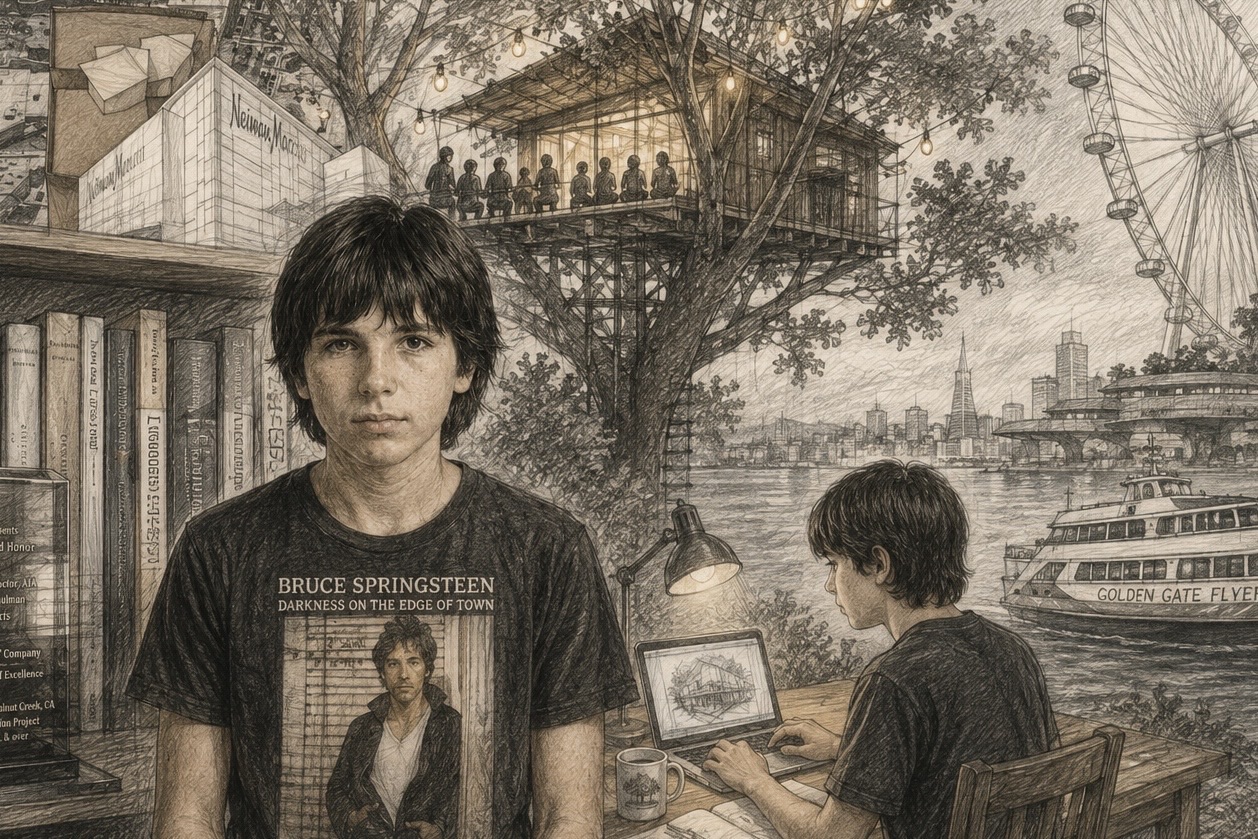
Some problems arrive so large that we disappear inside them. On Hope’s Day, an insurance envelope, memories of architecture, a lesson from Mom, and a Bruce Springsteen song taught us something different: one little thing. Then another. Hope is not knowing how everything will turn out. Hope is learning how to remain here while we find out.

