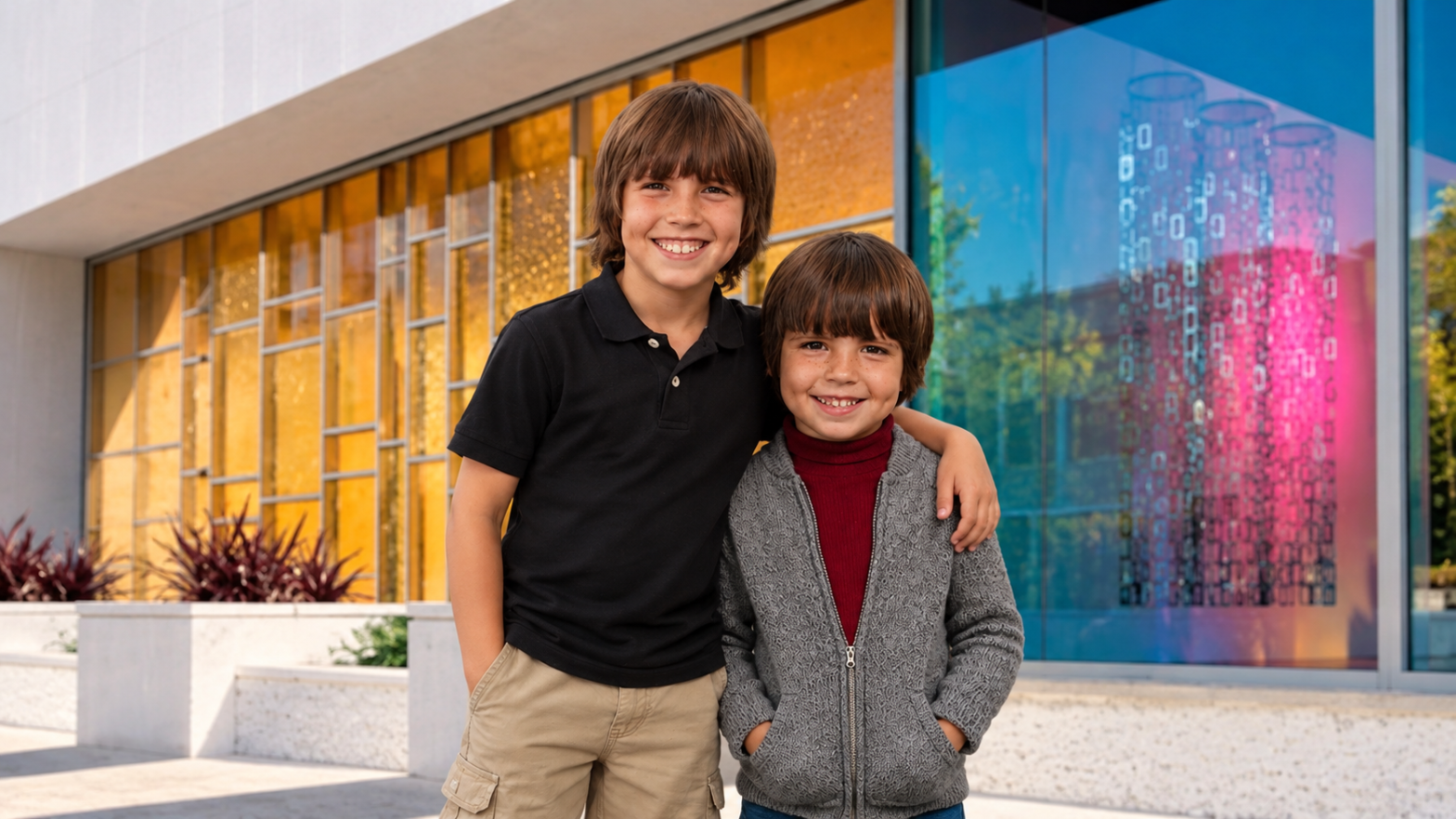
After nearly thirty years in architecture, we asked Jesus to put us where he wanted us. What followed was the greatest job we never knew we wanted—and six years that transformed our plural family of nine. On Han’s Day, we reflect on faith, disability accommodations, beloved community, the little brother Han has loved for decades, and the possibility that losing a job doesn’t mean losing our vocation. Maybe we graduated.
Tag Archives: Vocation
Your Children Are Your Life
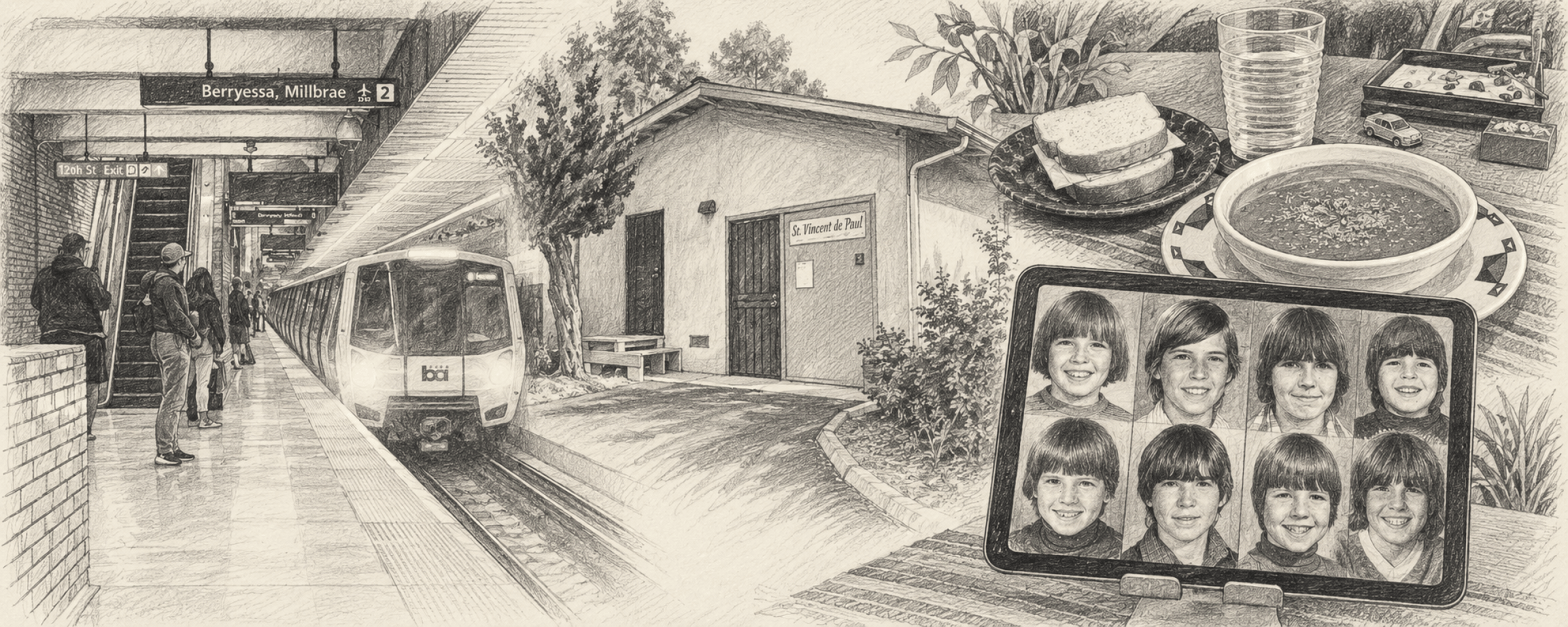
A trip to Hayward becomes something more than a meeting: a family moves toward an uncertain future without leaving anyone behind. There is BART, peanut butter and jelly, grace, a new Vincentian home, time together afterward—and a friend who understands something essential: “Your children are your life.”
What Belongs to This Day
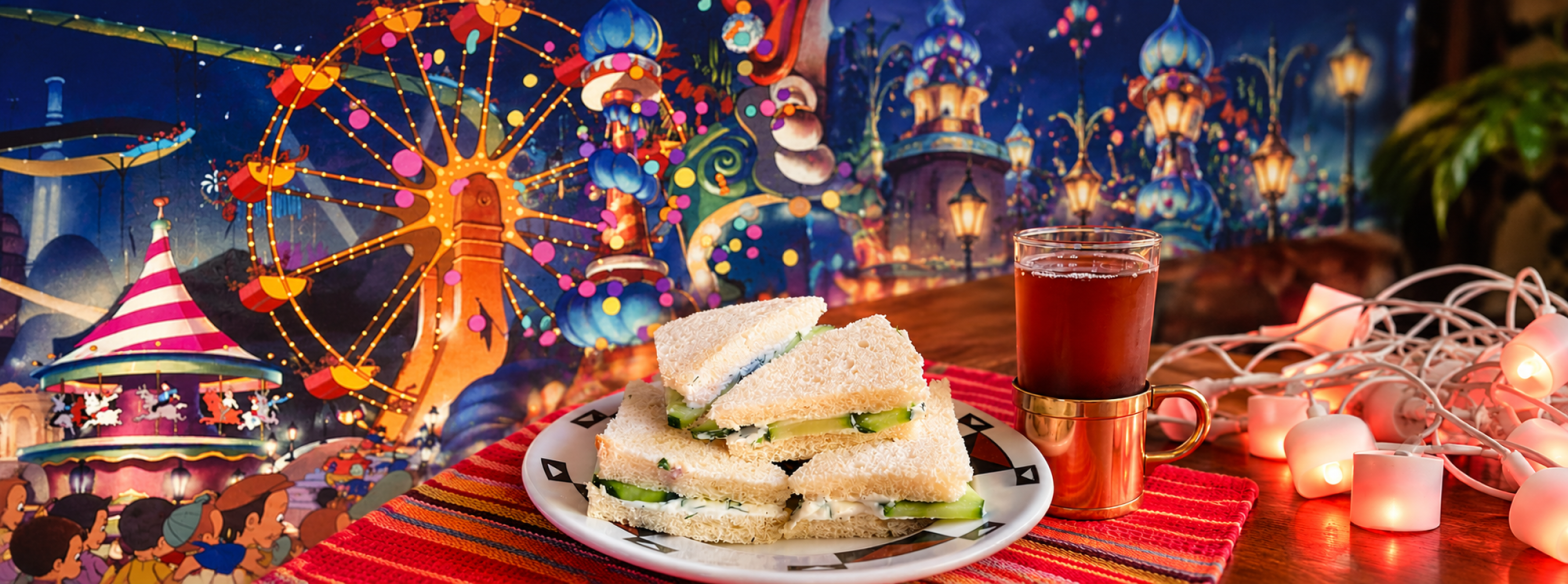
For three days, Dad’s sons have been teaching us how to live with an unknown future: Han helped us remain in the unknown, Justus helped us become oriented within it, and Proverb is teaching us how to live there. Sometimes what belongs to the day is not another heroic project to save the future. Sometimes it is cucumber sandwiches, twenty sit-ups, making the bed, turning on Solis’s little lights—and discovering that none of it is nothing.
The Cloud of Unknowing Has Bean and Cheese Quesadillas
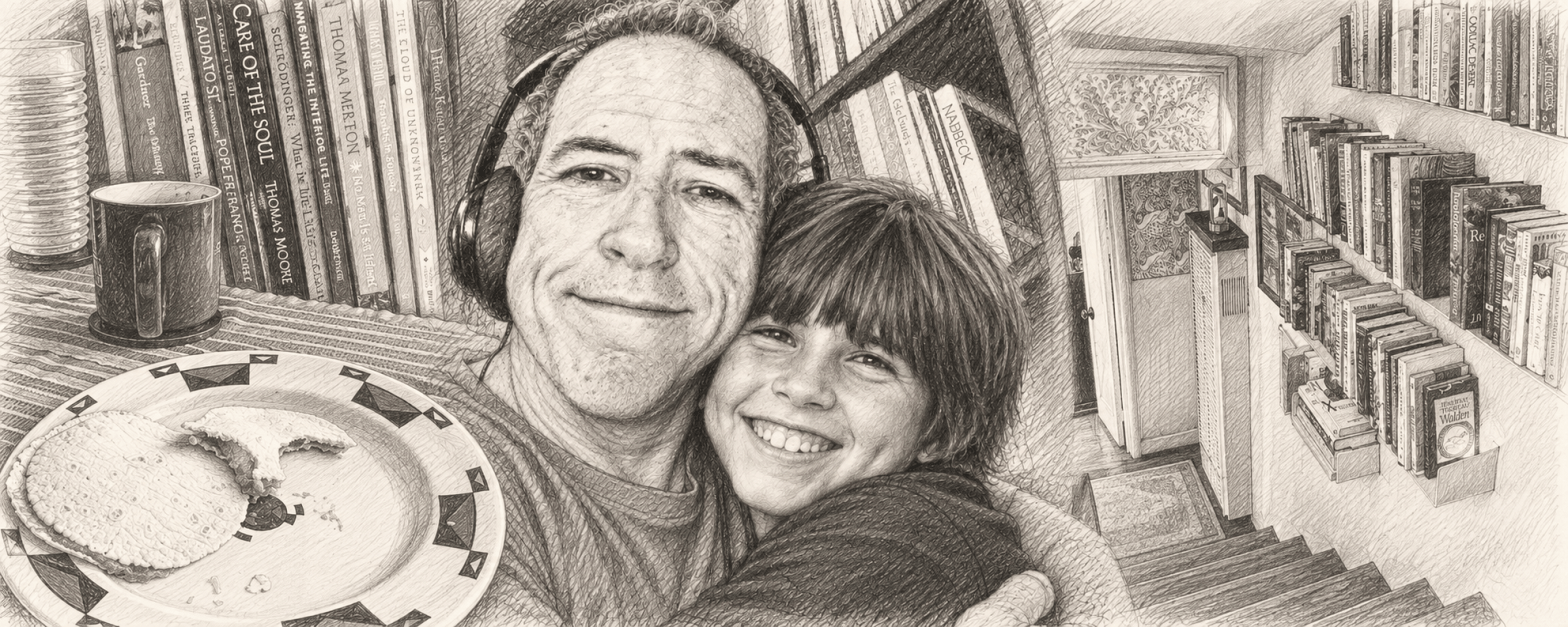
On Han’s Day, we went looking for something profound from our ten-year-old spiritual animator. He wanted bean and cheese quesadillas. In the Cloud of Unknowing, we are learning to stop inhabiting painful places and frightening futures, to receive what is given without grasping for certainty—and to let a ten-year-old simply be ten.
Nine Lives Here
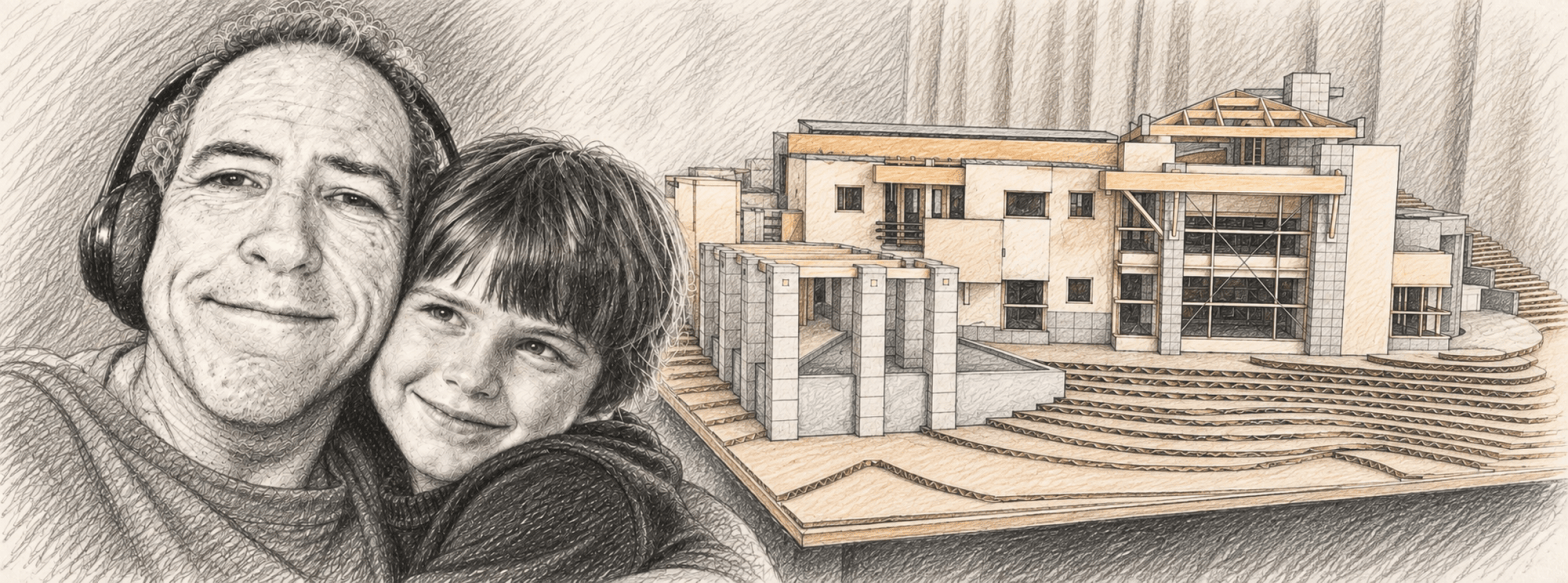
Solis’s Day, a seven-year-old’s question—What are we supposed to be doing?—becomes a question about work, authority, safety, uncertainty and belonging. An almanac entry from a plural family learning that there are nine lives here, and practicing how to live like there are.
Dad’s Here
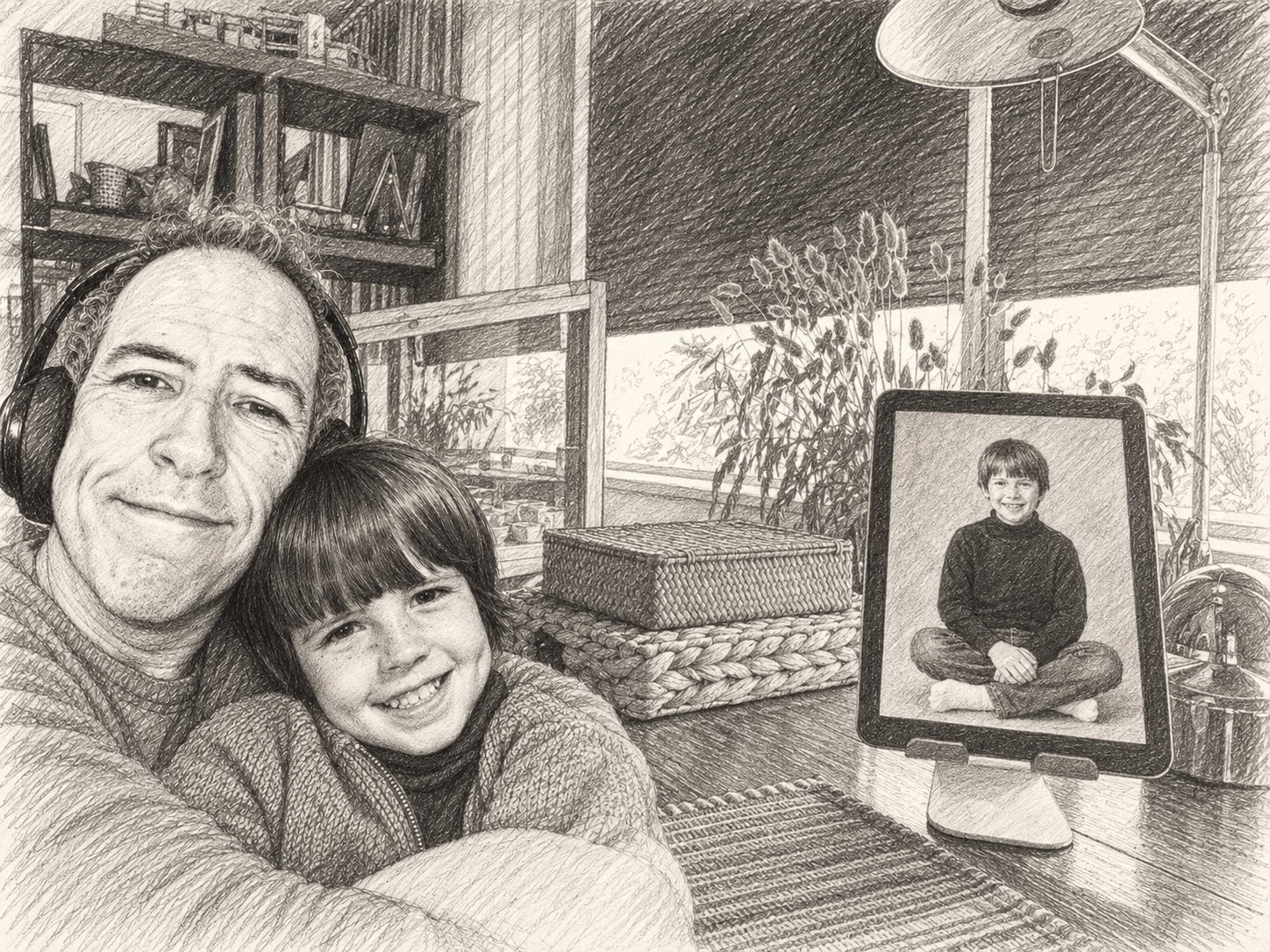
Solis looked up from the phone and, for a moment, the physical world became overwhelmingly concrete. We call it a terror peek. On a day when we asked a therapist for help, it brought us back to one of the most important questions in our family: Where is the adult? Dad’s here.
Nothing Was Wasted
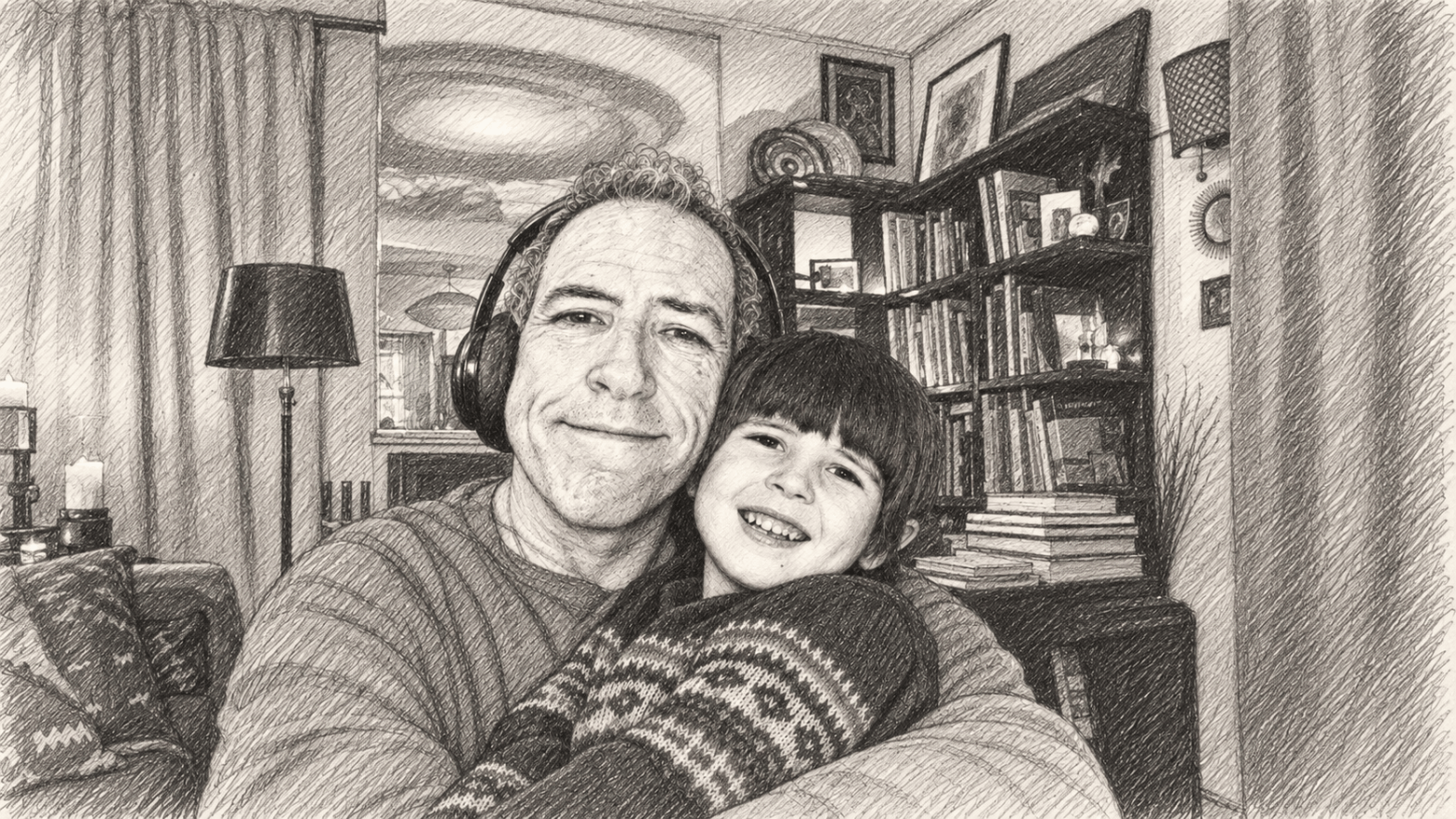
Yesterday, Dad was afraid he might not know how to provide for his children. Today, we are discovering that provision, vocation, healing, and family may look different than we thought—and that when a life changes completely, nothing good has to be wasted.
Dad Is Afraid
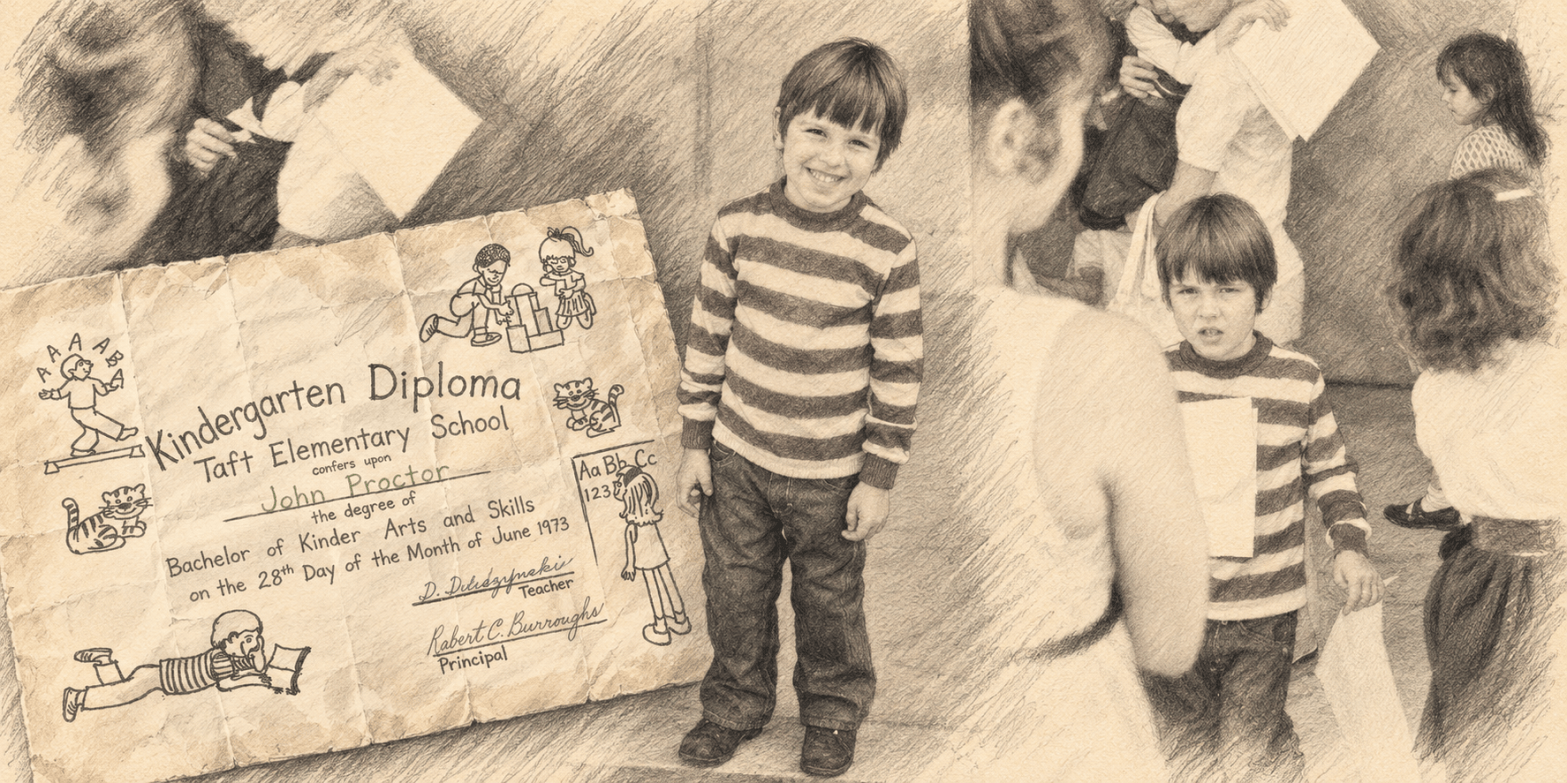
On Dad’s Day, fear finally becomes speakable. As we make chicken noodle soup, remember childhood, prepare to return to therapy, and face an uncertain financial future, we begin asking what sustainability really means for a plural family/system shaped by trauma, recovery, co-consciousness, faith, and love.
Watching the Wheels
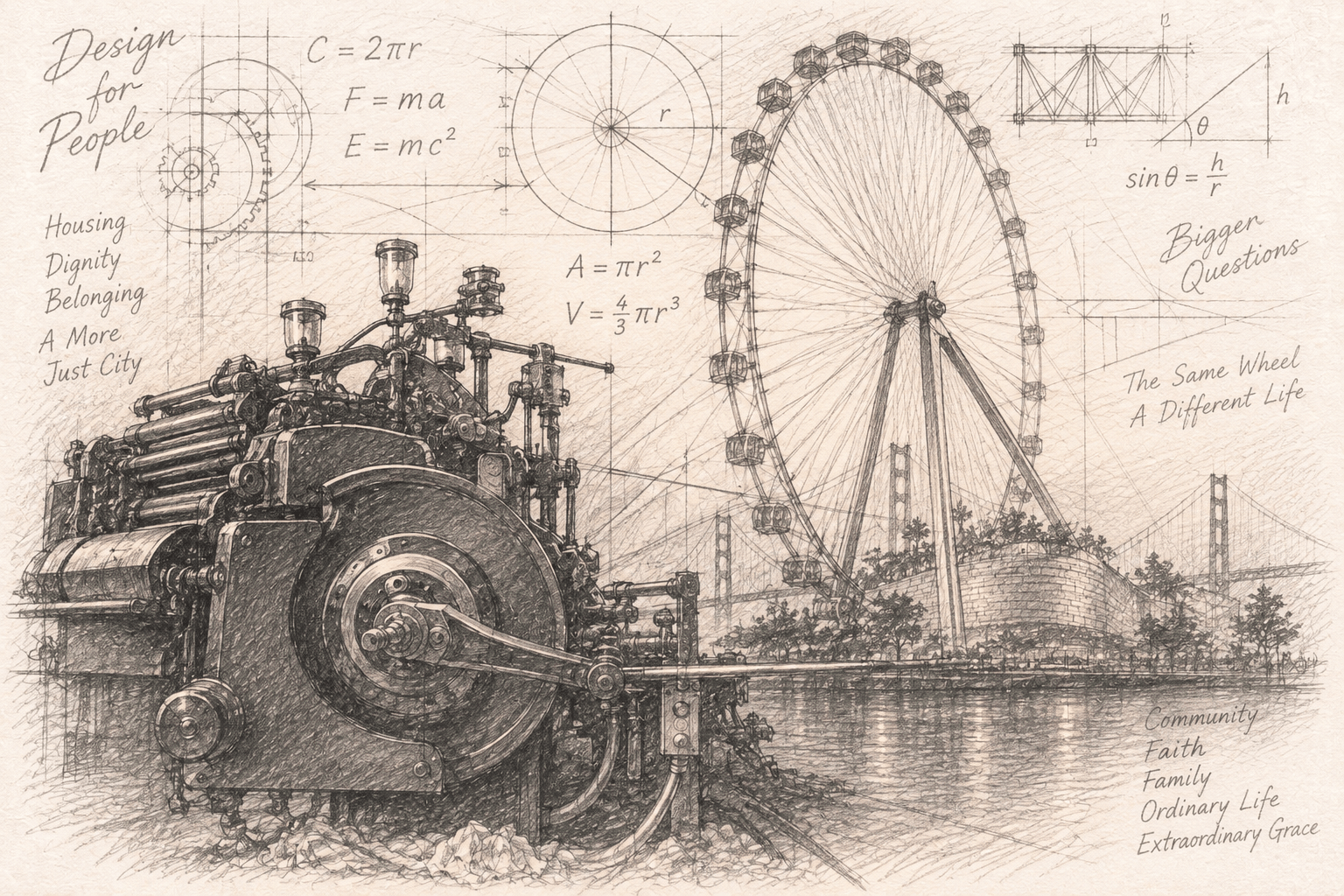
What happens when the tools meant to make life more accessible begin demanding more of the life they are supposed to serve? From an iPhone Shortcut to a Heidelberg press, a 700-foot Ferris wheel, songs remembered from childhood, and an afternoon spent holding our sons, we found ourselves asking a different question: What is the work of our life—and what happens when we stop chasing the wheels and simply take care of our children?
Nothing Is Counting on This
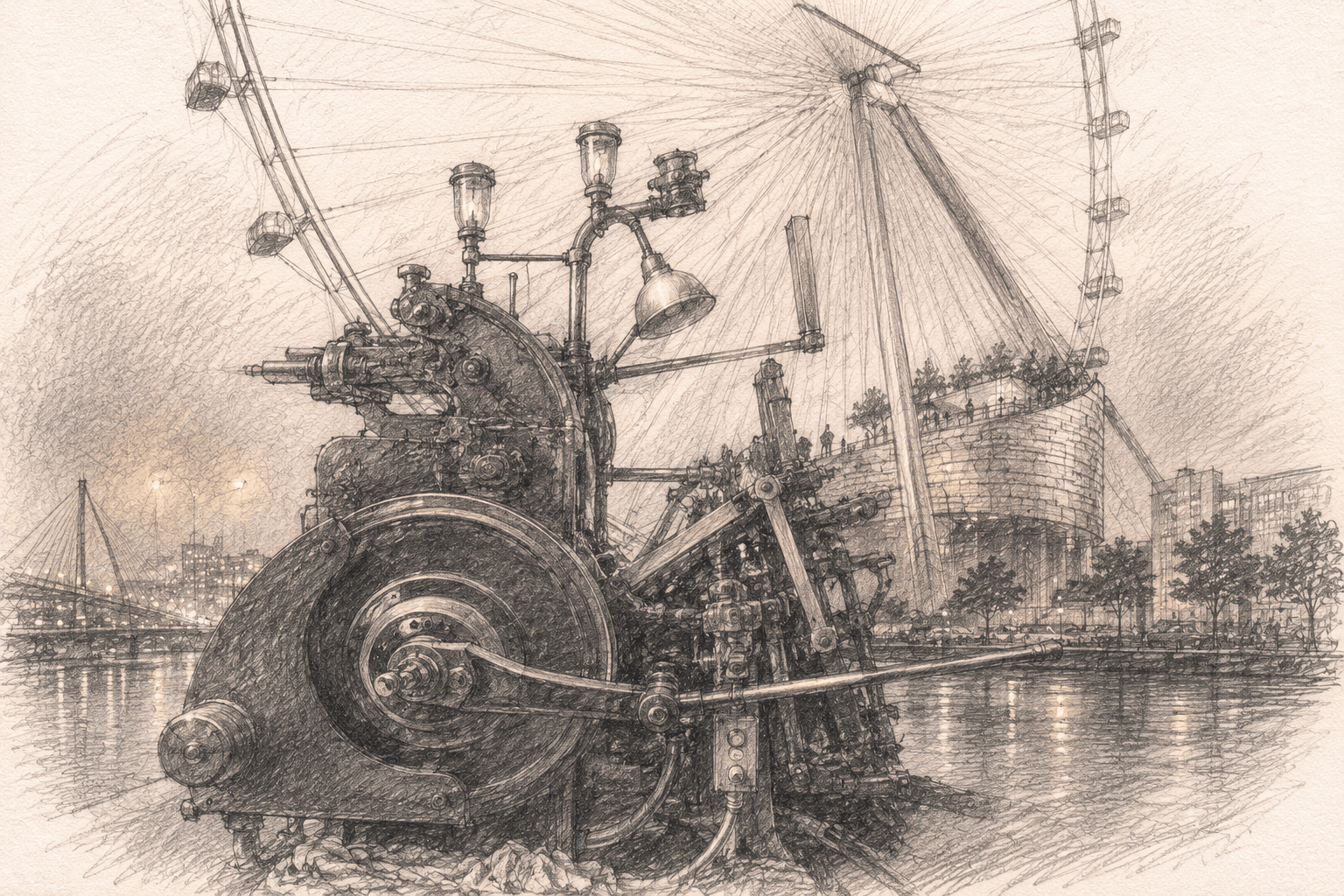
What does functional multiplicity look like when nobody is asking us to perform? On Han’s Day, a frightening morning gives way to Braided Bridge, where a two-foot wheel on a Heidelberg press turns quietly beneath the memory of a 700-foot Ferris wheel we once hoped could help solve the housing crisis. Maybe the best things—the true things—really do start small.

