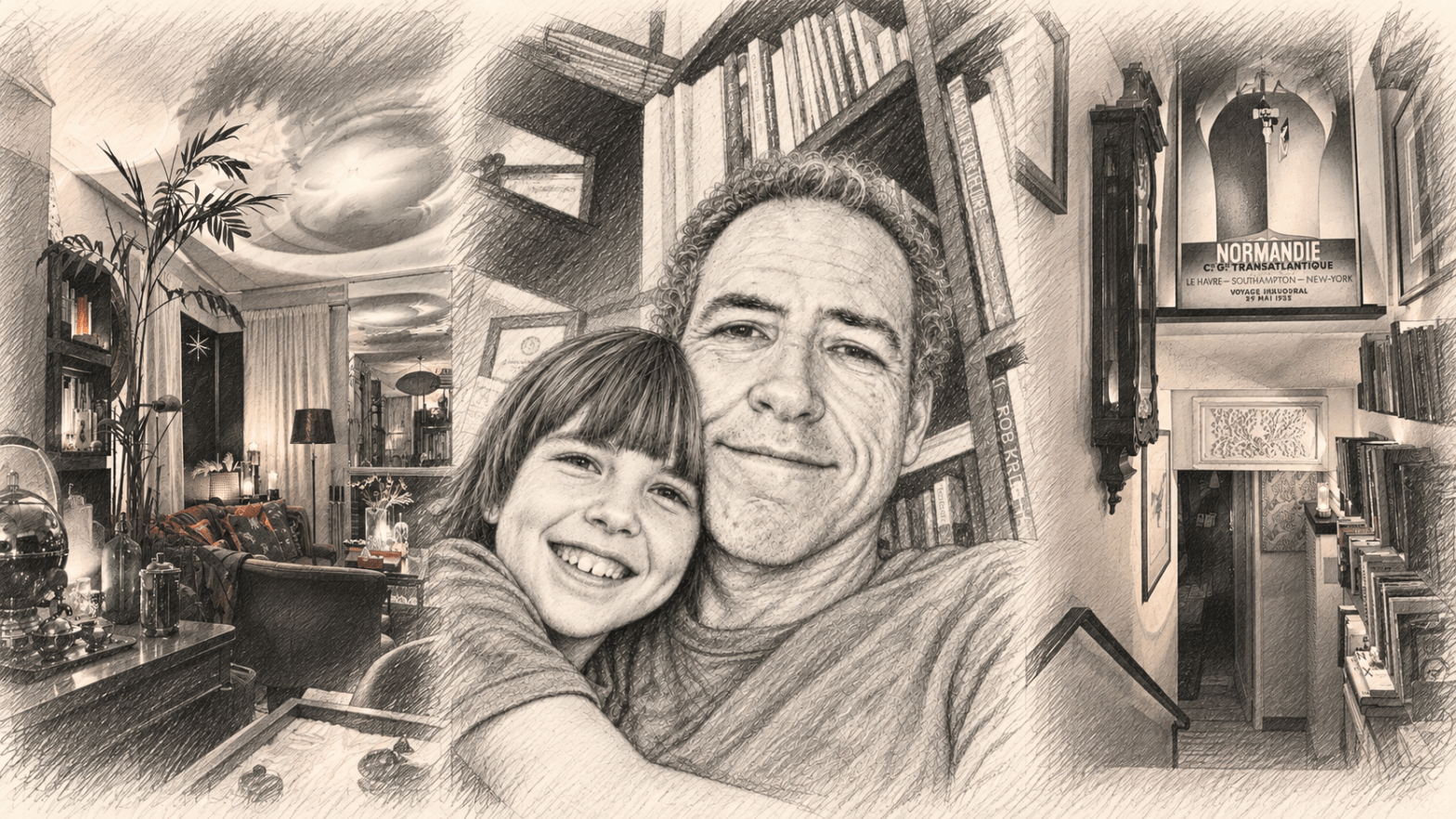
On Luke’s Day, an unexpected answer to prayer, a fraudulent email, and a promise to my nine-year-old son taught us that putting our children first means more than making time for them. It means allowing each child to be himself, listening to what he tells us, and remembering that the work of understanding our lives must never take the place of living them together.
Tag Archives: Vincentian Spirituality
Love Is Not What Happens After Everything Else Is Finished
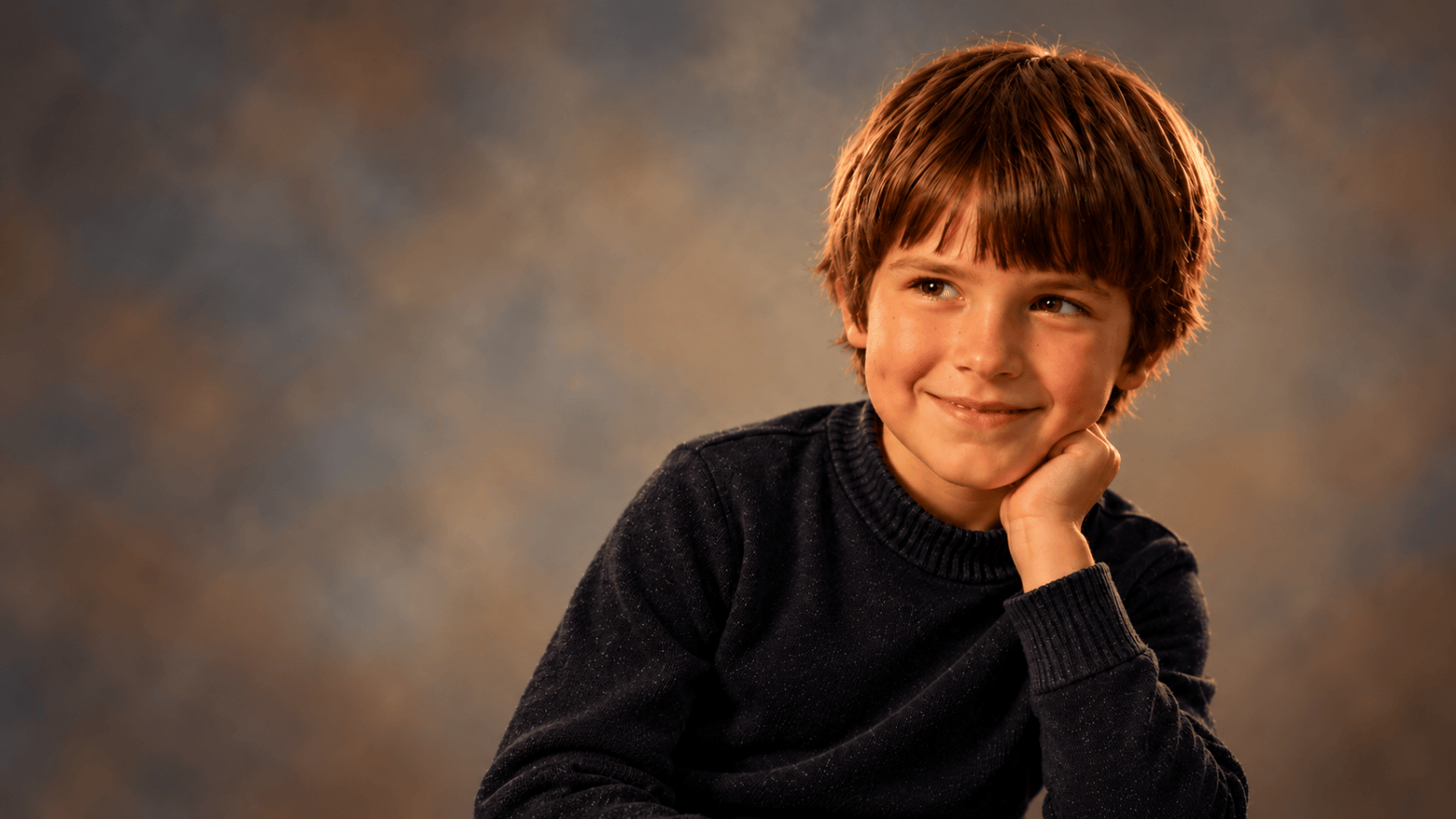
On Solis’s Day, an urgent effort to help a neighbor find housing brought an old workday back into our home. But three extraordinary minutes with my seven-year-old son helped us understand what life might look like if we organized it around the children—and remembered that love is not what happens after everything else is finished.
This Belongs to Us
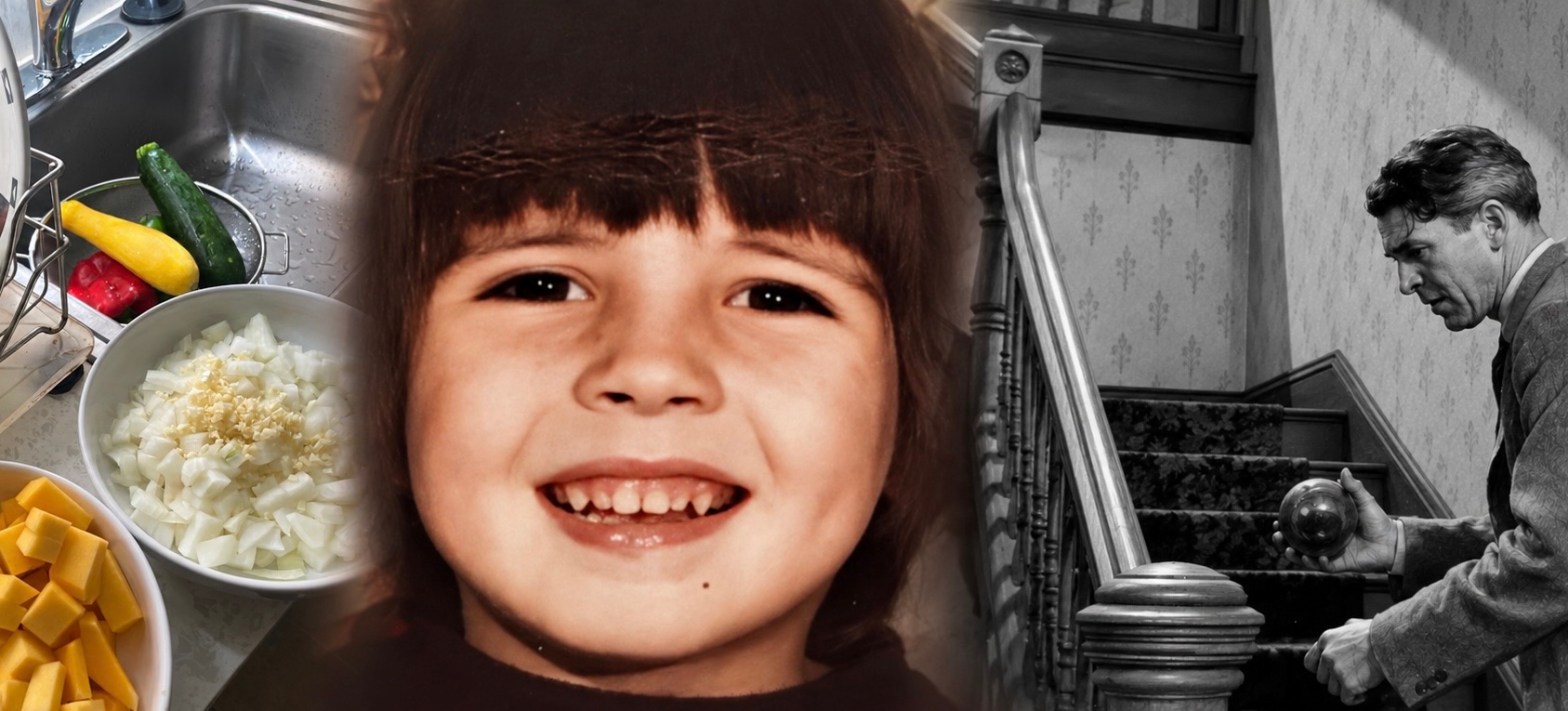
This morning, while Dad held four-year-old Jude, he found himself thinking about what was happening to us when we were Jude’s age—and about the difference between what happened to us and what truly belongs to us. Some things were never our purpose. Other things—the good memories, our home, our family, and even a slow cooker filled with Jude’s Stew—are ours to keep.
Your Children Are Your Life
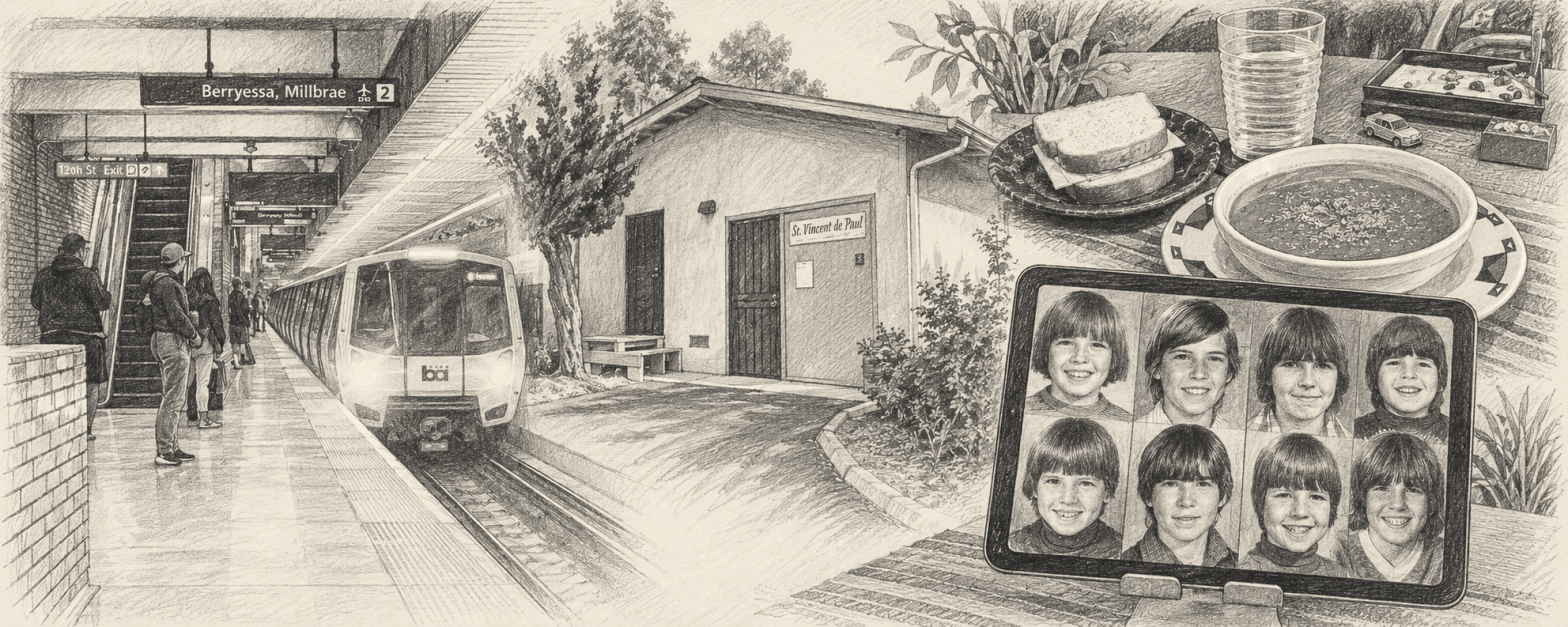
A trip to Hayward becomes something more than a meeting: a family moves toward an uncertain future without leaving anyone behind. There is BART, peanut butter and jelly, grace, a new Vincentian home, time together afterward—and a friend who understands something essential: “Your children are your life.”
Nothing Was Wasted
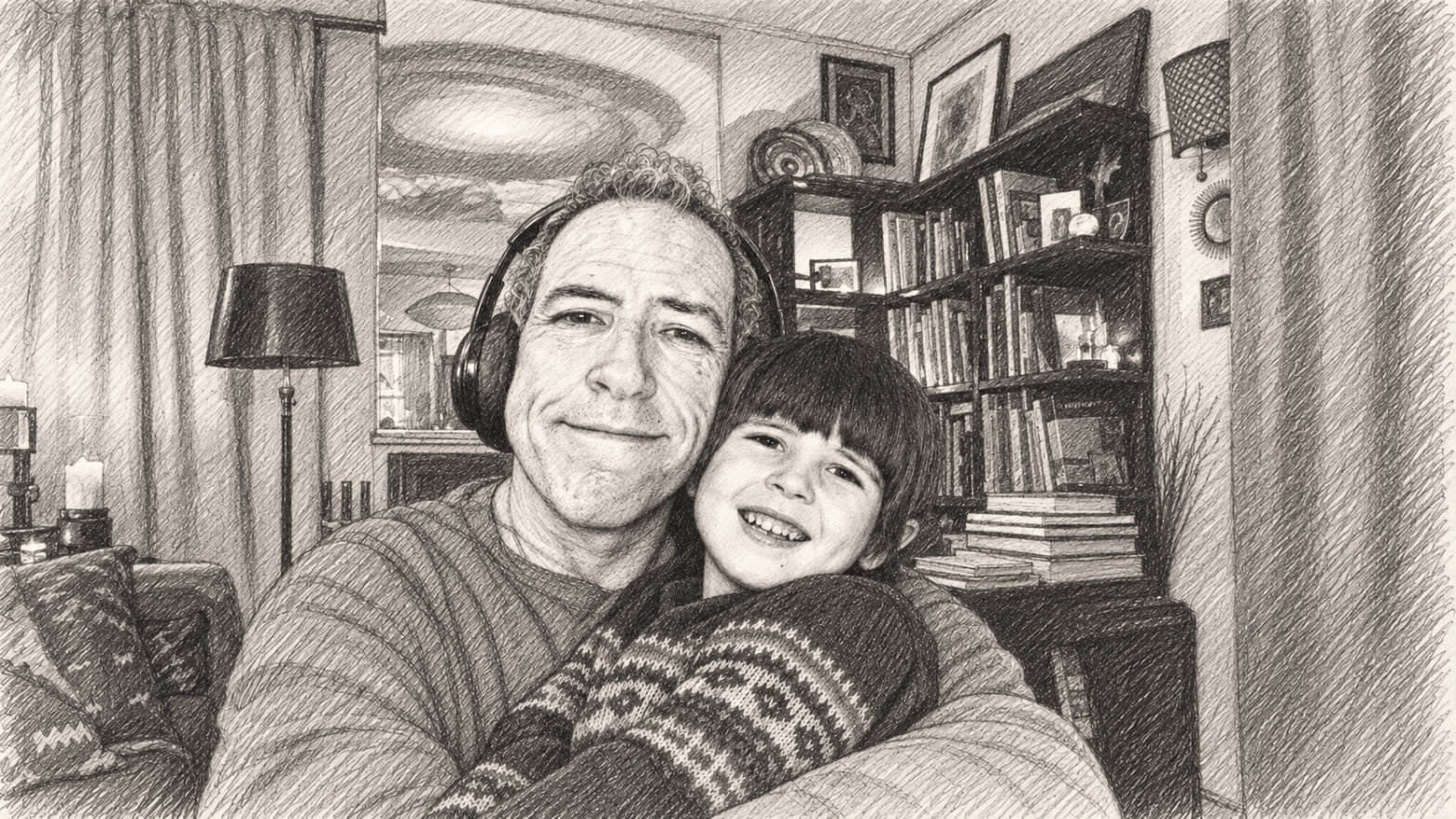
Yesterday, Dad was afraid he might not know how to provide for his children. Today, we are discovering that provision, vocation, healing, and family may look different than we thought—and that when a life changes completely, nothing good has to be wasted.
Understanding September 1
What happens when nobody is THE ONE? A classical analysis of Solis’s Day reveals an answer emerging through ordinary life: Daniel wakes Daddy, Jude imagines dinner, Hope changes the plan, Solis draws an ethical boundary, and the family adapts when a difficult afternoon makes rest impossible. September 1 becomes a study in functional multiplicity, consequential listening, and a new understanding of stability: when something happens, the family remains.
You Are Not the One
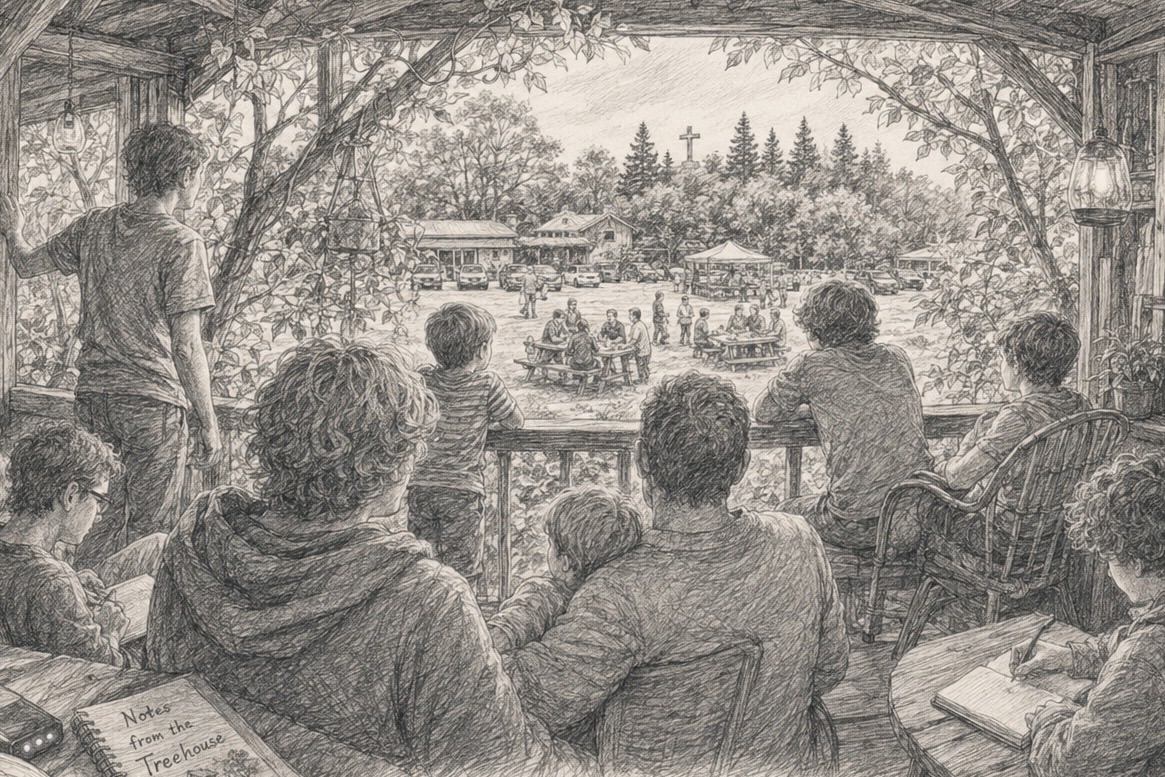
Yesterday was input. Today is processing. For a plural family/system, moving forward means more than making a plan—it means making sure everyone has been heard. As we begin imagining the next twenty years of our shared life, perhaps the most important question is also the simplest: Who haven’t we heard from yet?
Present Presence: The Foundation of Ordinary Life
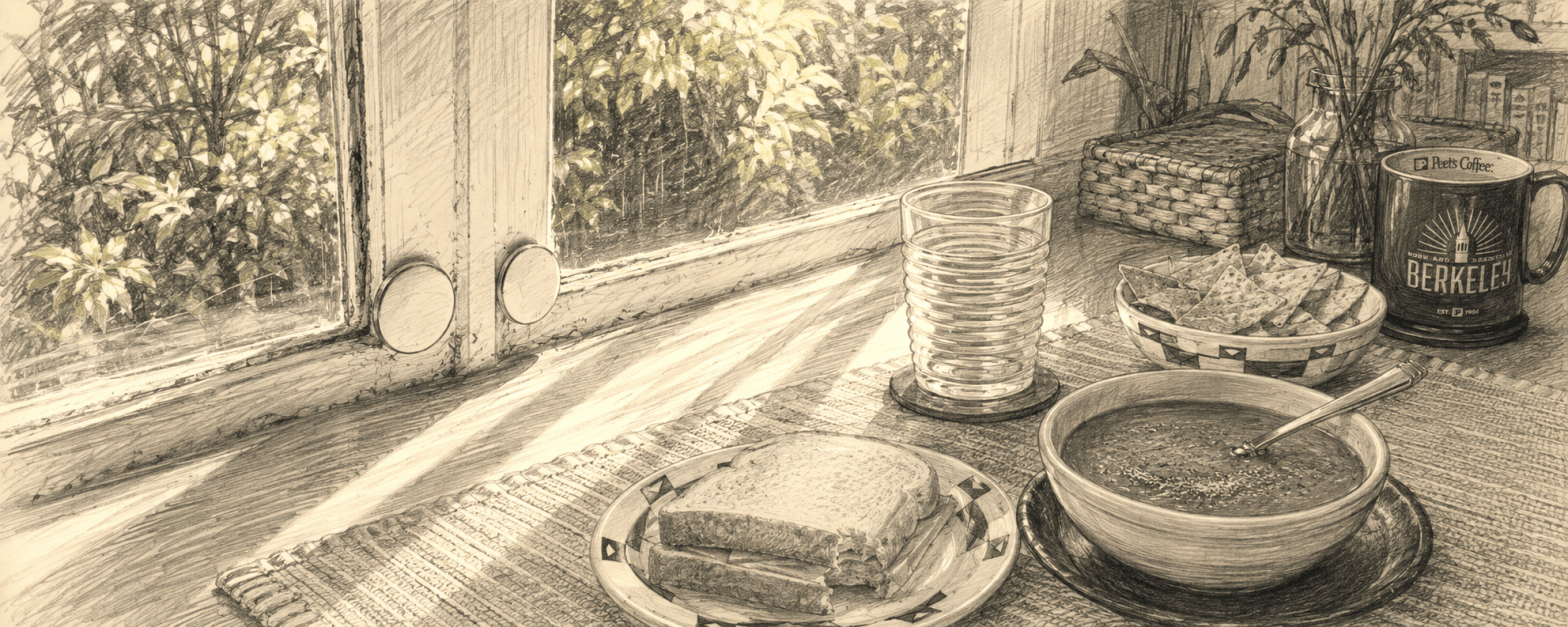
What happens when the present moment itself can become terrifying? Our plural family calls it a Terror Peek. During the pandemic, a quieter world helped us discover another possibility: Present Presence—the ability to inhabit the life that is actually here, together.

