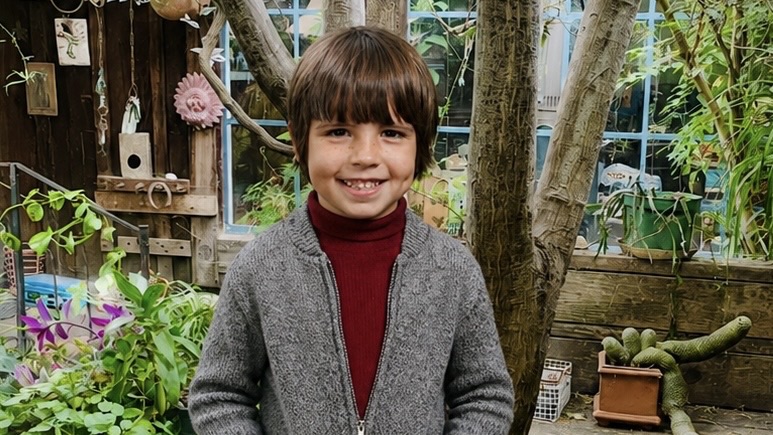
When Daniel showed us a five-year-old trying to operate adult-sized machinery, we remembered a time when childhood really had become too large for us. Then came Granddad’s enormous hand beside our little one, and a world of meals, routines, kindergarten and being held. Perhaps safety begins with being brought back to scale.
Tag Archives: Family
Just the Things That Hurt You, Jude. Not Jude.
On the morning of our first therapy session, my four-year-old son asked, “But what if they make me go away?” By the end of the day, nine people sharing one body had begun discovering another possibility: healing might not make any of us less ourselves. Maybe the things that hurt us can become smaller—and there can be more room for all nine of us to live.
It Was Good, and It Was Too Much
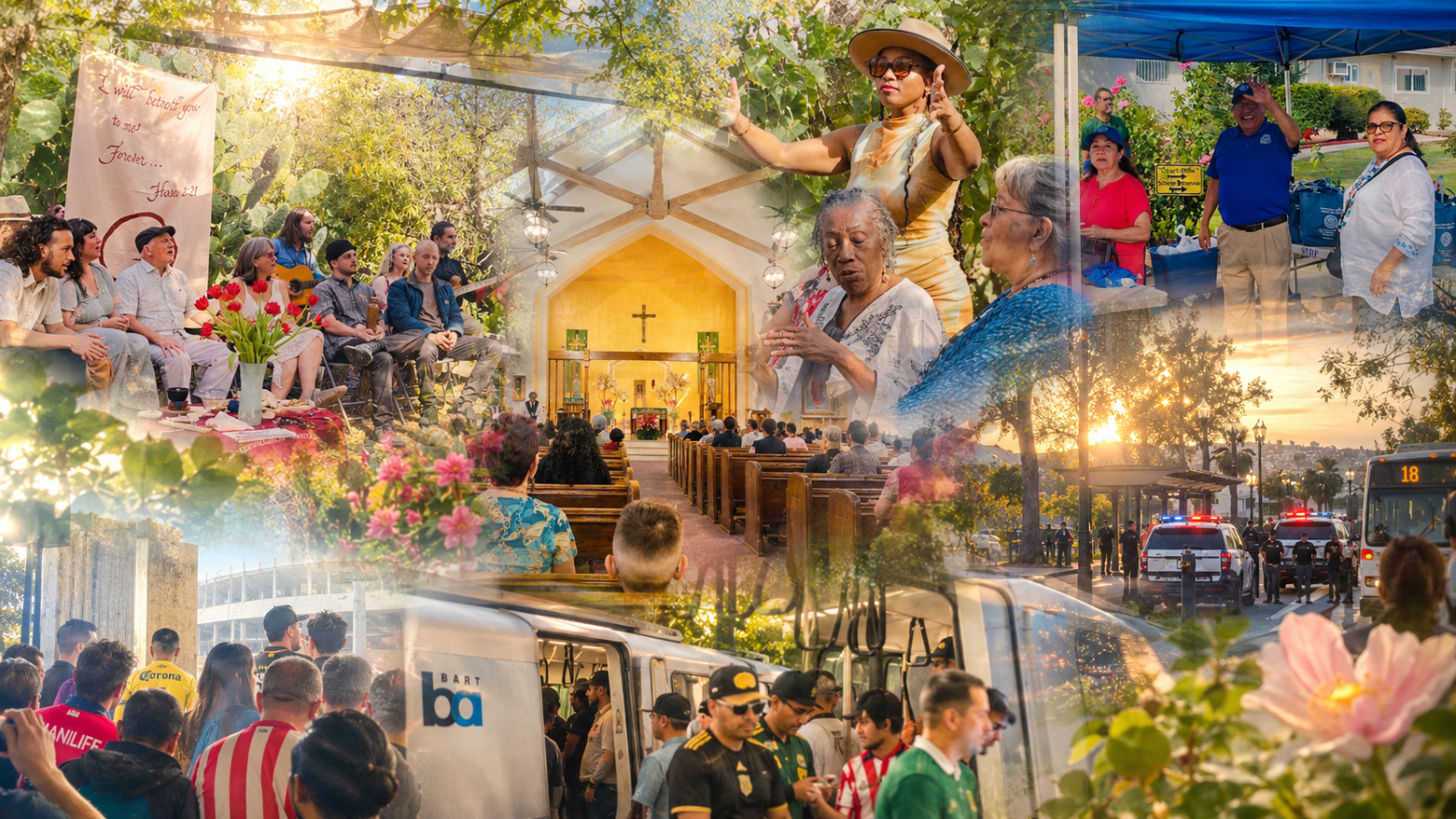
Eight children and their dad went together into a beautiful world on a Sunday. Canticle Farm, Spanish Mass, community, service, families, music—and by late afternoon, we were at our limit. Maybe being realistic doesn’t mean learning to endure somebody else’s version of life. Maybe it begins by designing a life around the nine plural people who actually have to live it.
When Life Becomes Small Enough to Touch Again, Hope Appears
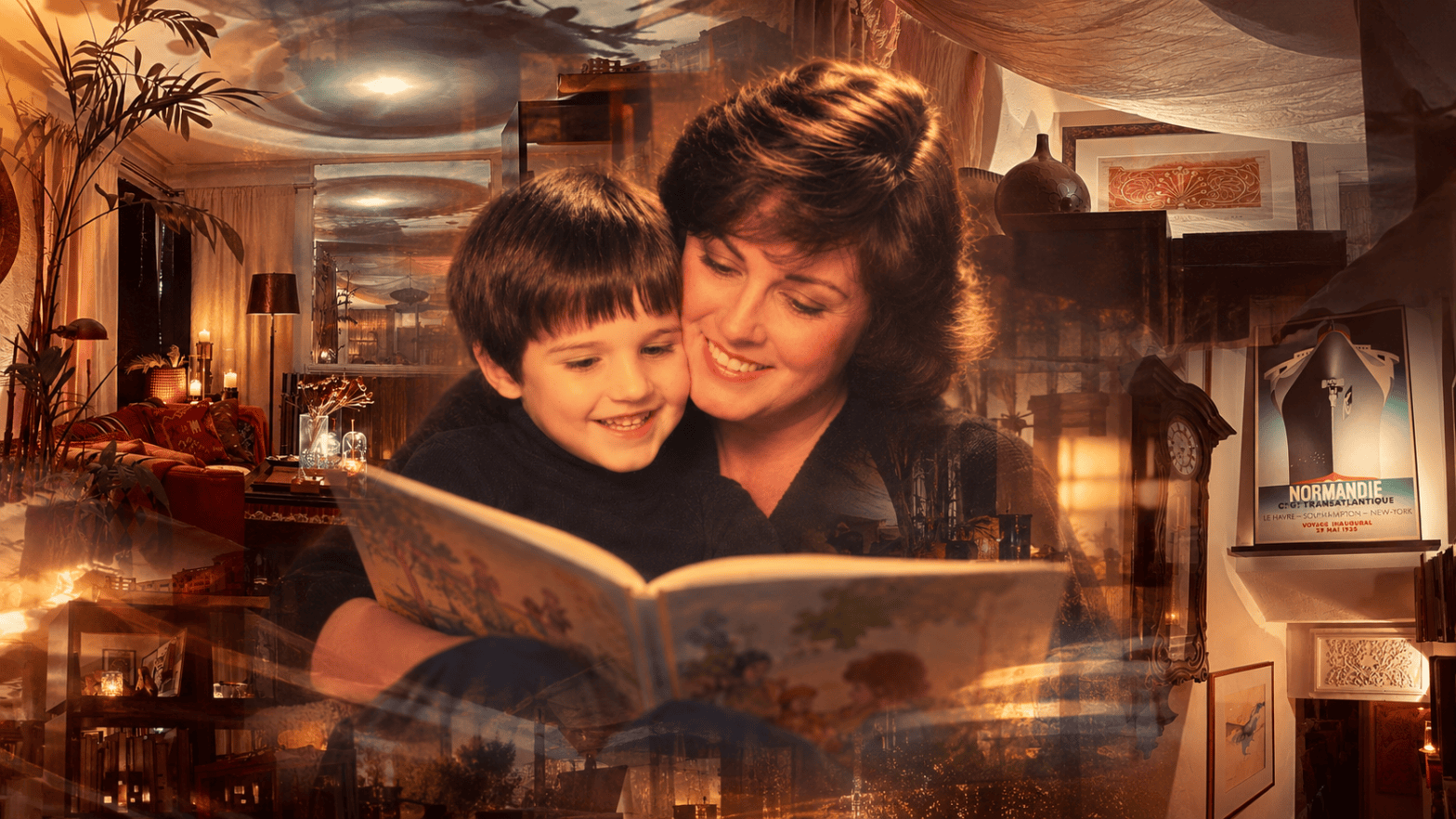
Hope’s Day begins with a nightmare of separation and gradually becomes something smaller, quieter, and more hopeful: a mother reading a child a book, peanut butter on waffles, fabric above a damaged ceiling, a father holding his sons, and tiny lights returned to their places. Sometimes hope appears when life becomes small enough to touch again.
What Did I Miss?
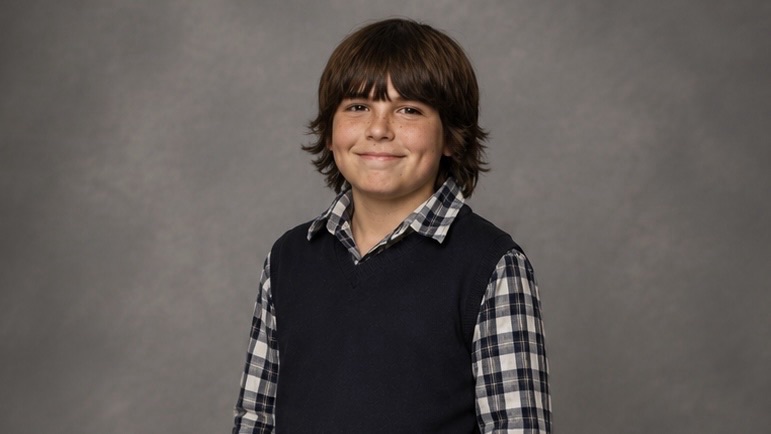
On Proverb’s Day, a frightening envelope brings unexpected good news, a Greek salad awakens an old fear, and a father learns that what looks like confusion may sometimes be someone else knowing where to look.
Things to Share with Jessee
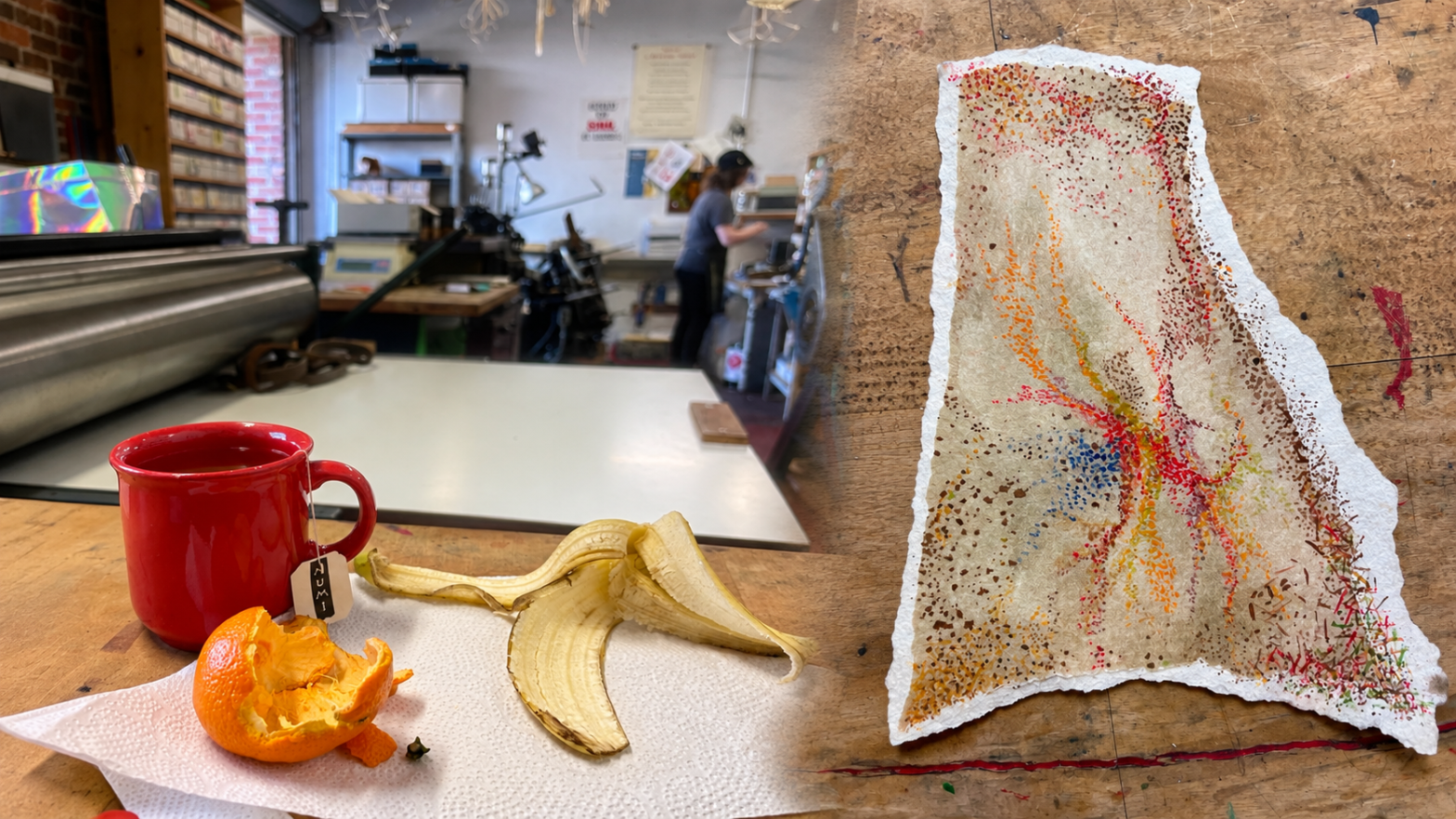
What happens when nine people begin therapy together? On Justus’s Day, a paintbrush, a watercolor, and an ordinary trip to Safeway become a way of thinking about speaking freely, protecting one another, and learning to help without putting anyone on the hook.
Everyone Needs a Face
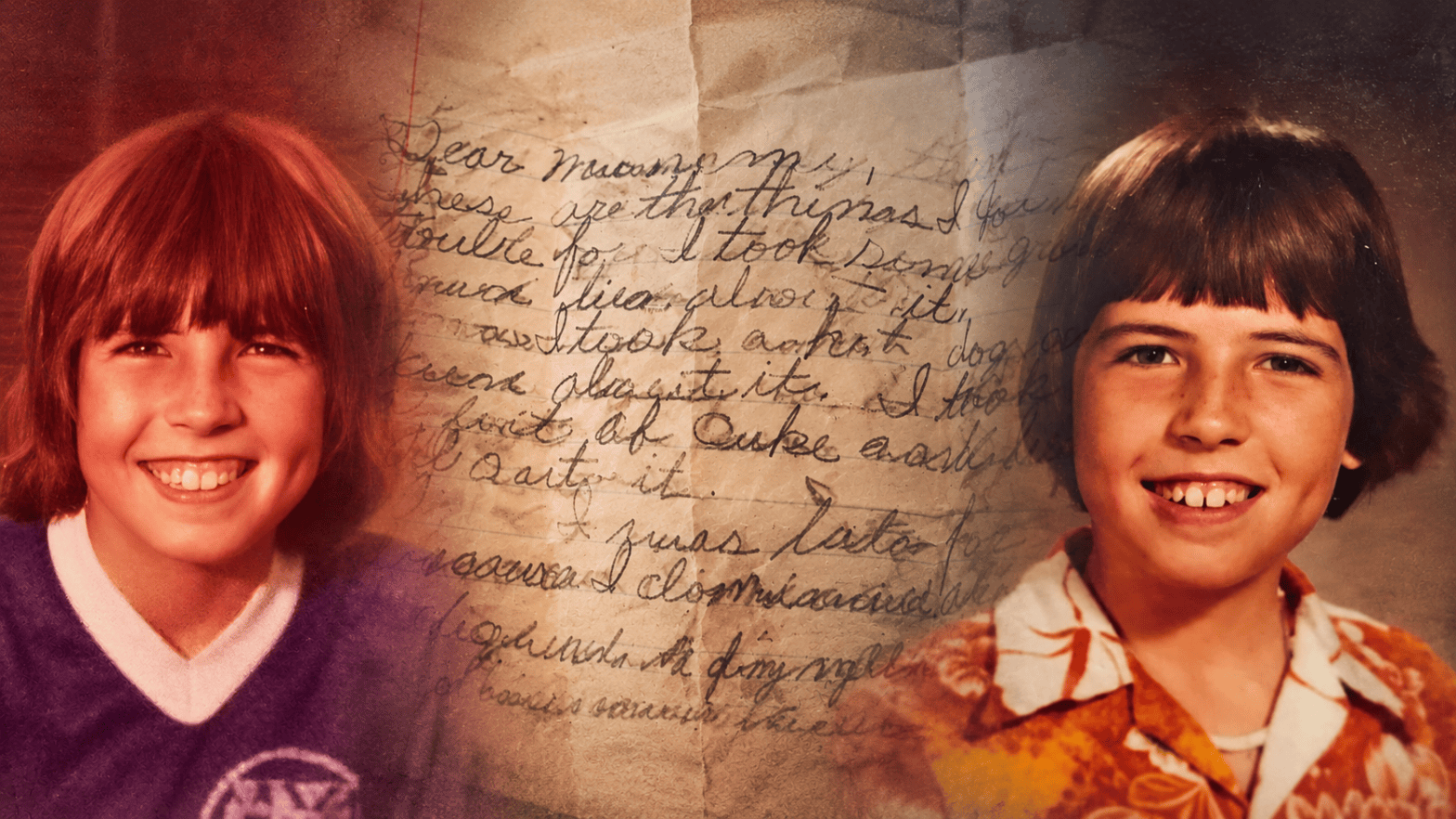
A childhood photograph I once could barely look at has become the face of my ten-year-old son. On Han’s Day, two photographs, an old therapist, and a morning together teach us something about trauma, joy, recognition, and what it means to believe someone when they tell you what you cannot see.
Just Love Me
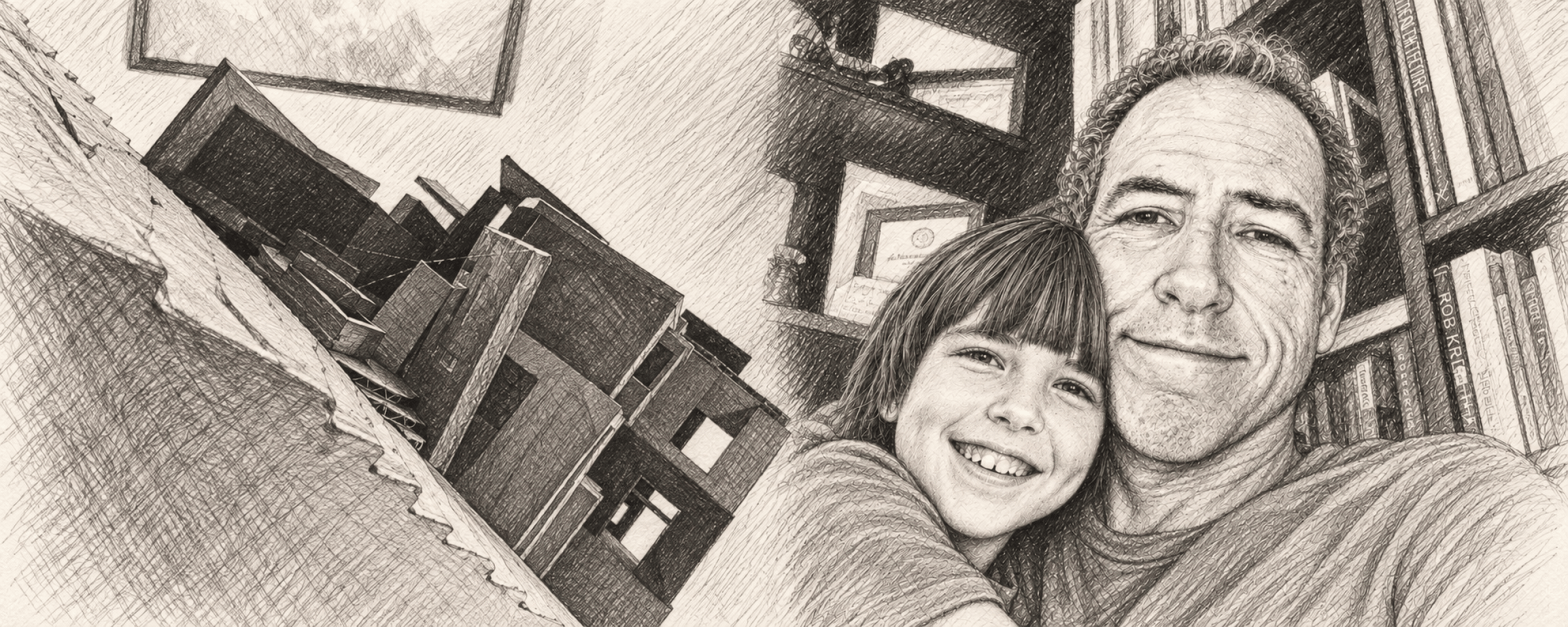
When Proverb tells Dad, “I’m not real to you,” he does not mean that Dad doubts he exists. He means that believing a child is real has consequences. On Luke’s Day, a plural family of nine discovers the difference between saying children have a voice and building a life in which their voices actually matter.
Show Me Your Work: Inside the Journal of a Plural Family of Nine
How a Montessori kid, a very large journal, and an artificial intelligence help nine people sharing one body find enough order to live an ordinary life.
We Have Earned Something
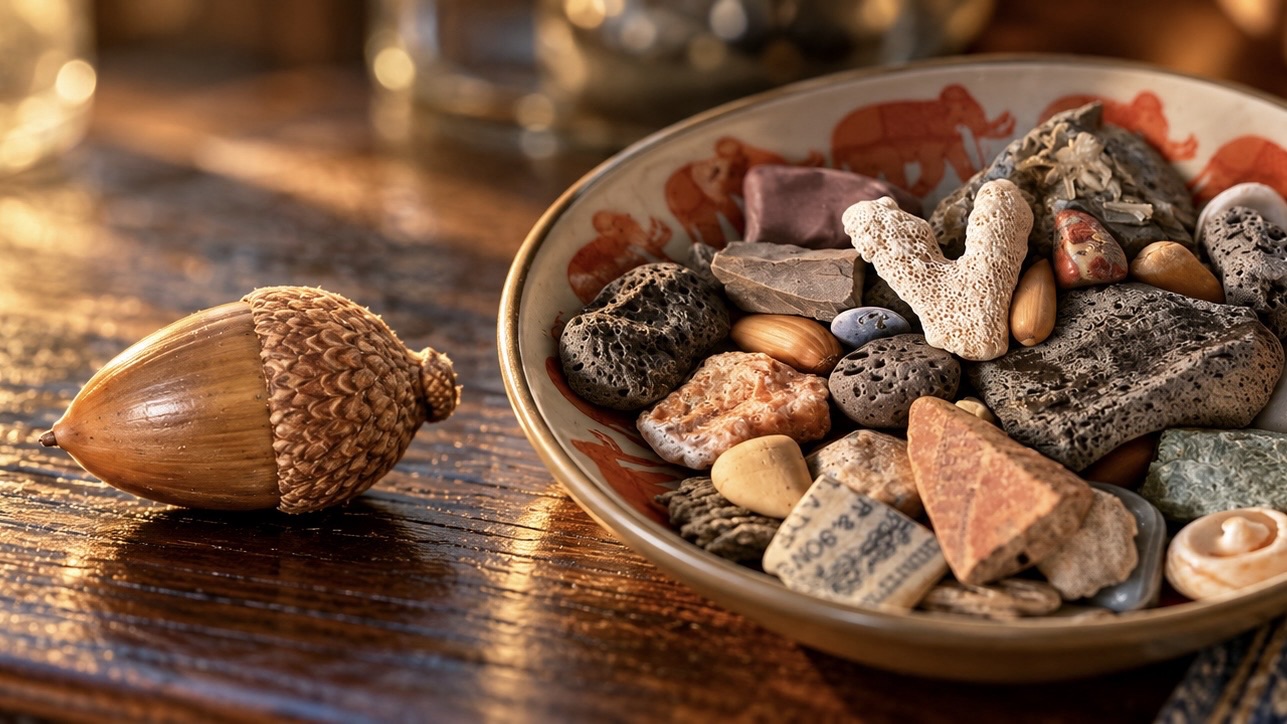
After months of fear and freeze, something has begun to move. With the help of friends, the grace of God, and a little acorn found beneath an oak tree, we are learning that receiving help can be an act of agency—and that not everything we earn needs to be measured, named, or turned into a wage.

