
After an end of employment, we finally had more time to be together. But on Dad’s Day, we discovered that writing about our life had begun taking time away from living it. A county envelope, eight children waiting for their daddy, and an evening holding Luke helped us remember what we had been trying to make room for all along.
Tag Archives: Belonging
I Have This Life in My Arms
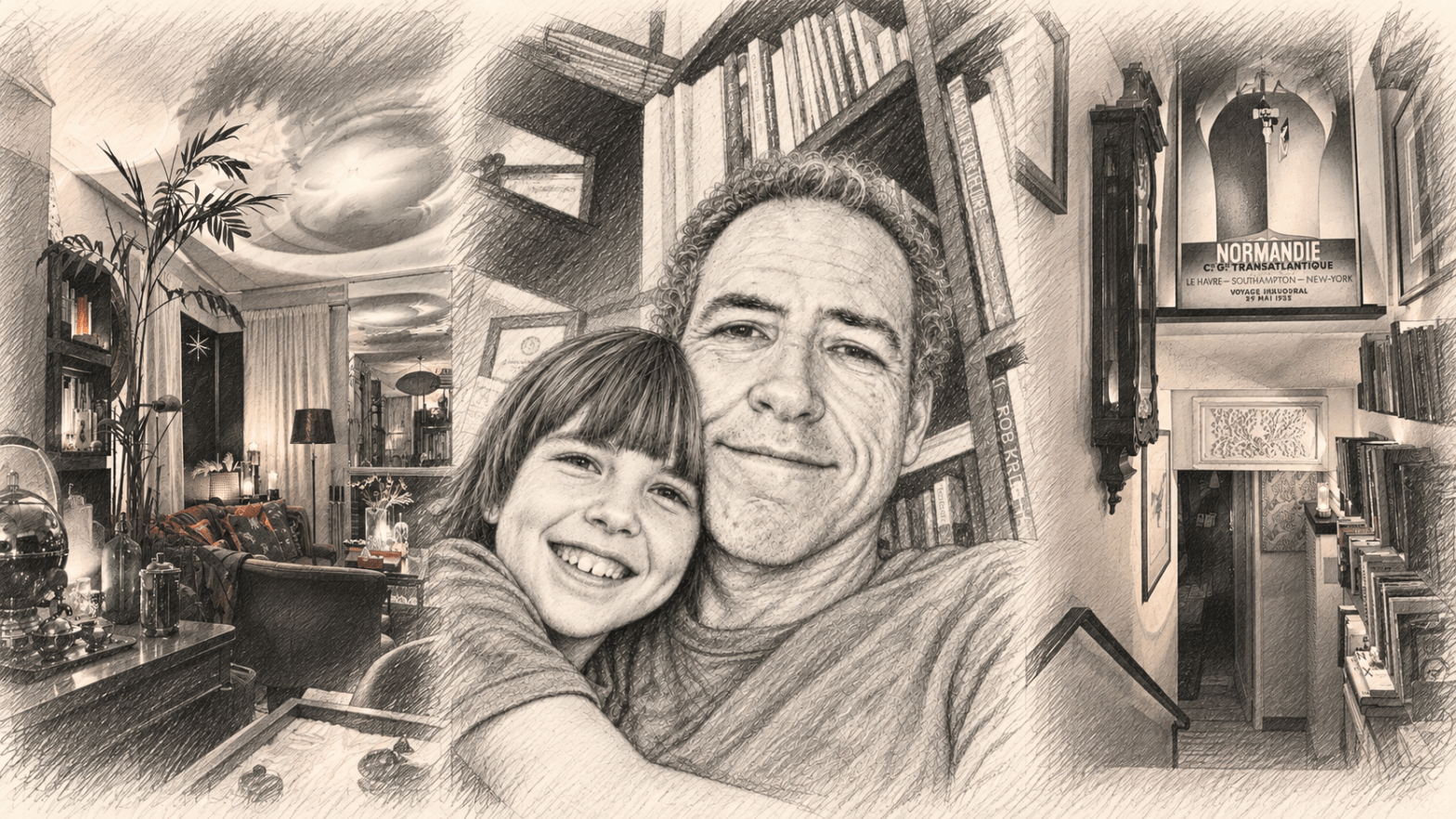
On Luke’s Day, an unexpected answer to prayer, a fraudulent email, and a promise to my nine-year-old son taught us that putting our children first means more than making time for them. It means allowing each child to be himself, listening to what he tells us, and remembering that the work of understanding our lives must never take the place of living them together.
It Was Good, and It Was Too Much
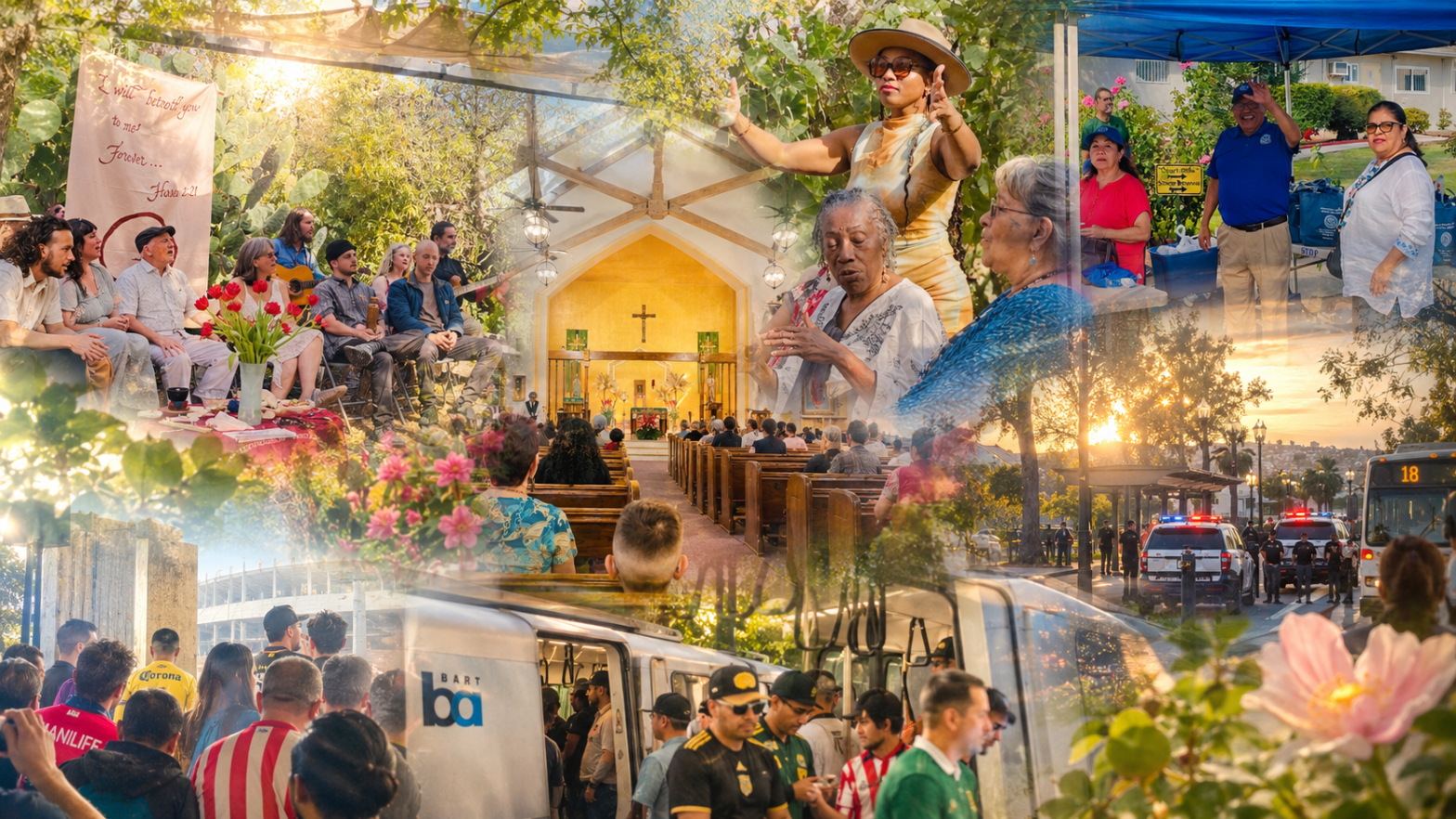
Eight children and their dad went together into a beautiful world on a Sunday. Canticle Farm, Spanish Mass, community, service, families, music—and by late afternoon, we were at our limit. Maybe being realistic doesn’t mean learning to endure somebody else’s version of life. Maybe it begins by designing a life around the nine plural people who actually have to live it.
When Life Becomes Small Enough to Touch Again, Hope Appears
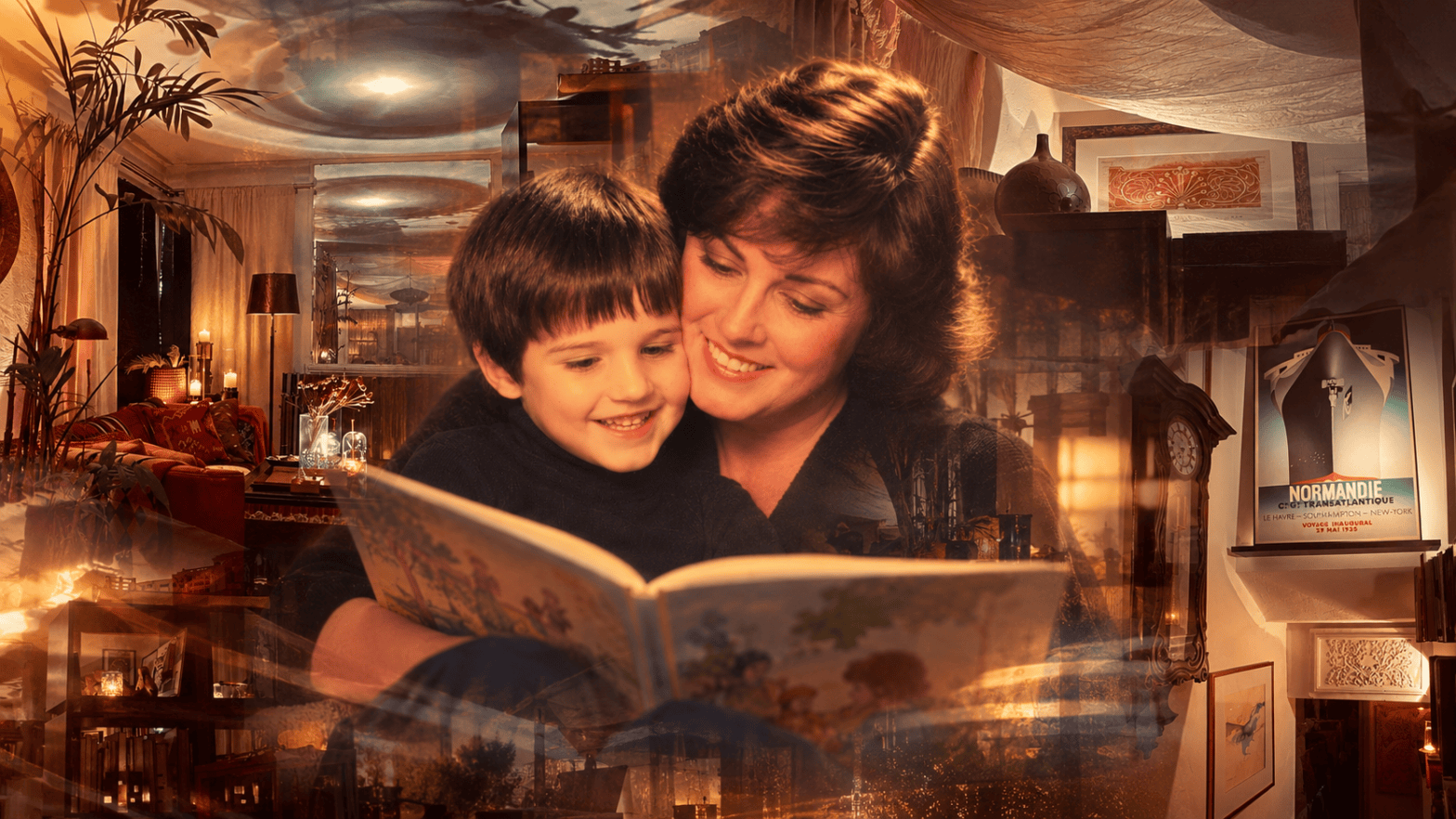
Hope’s Day begins with a nightmare of separation and gradually becomes something smaller, quieter, and more hopeful: a mother reading a child a book, peanut butter on waffles, fabric above a damaged ceiling, a father holding his sons, and tiny lights returned to their places. Sometimes hope appears when life becomes small enough to touch again.
There Were Eleven People in That Car 
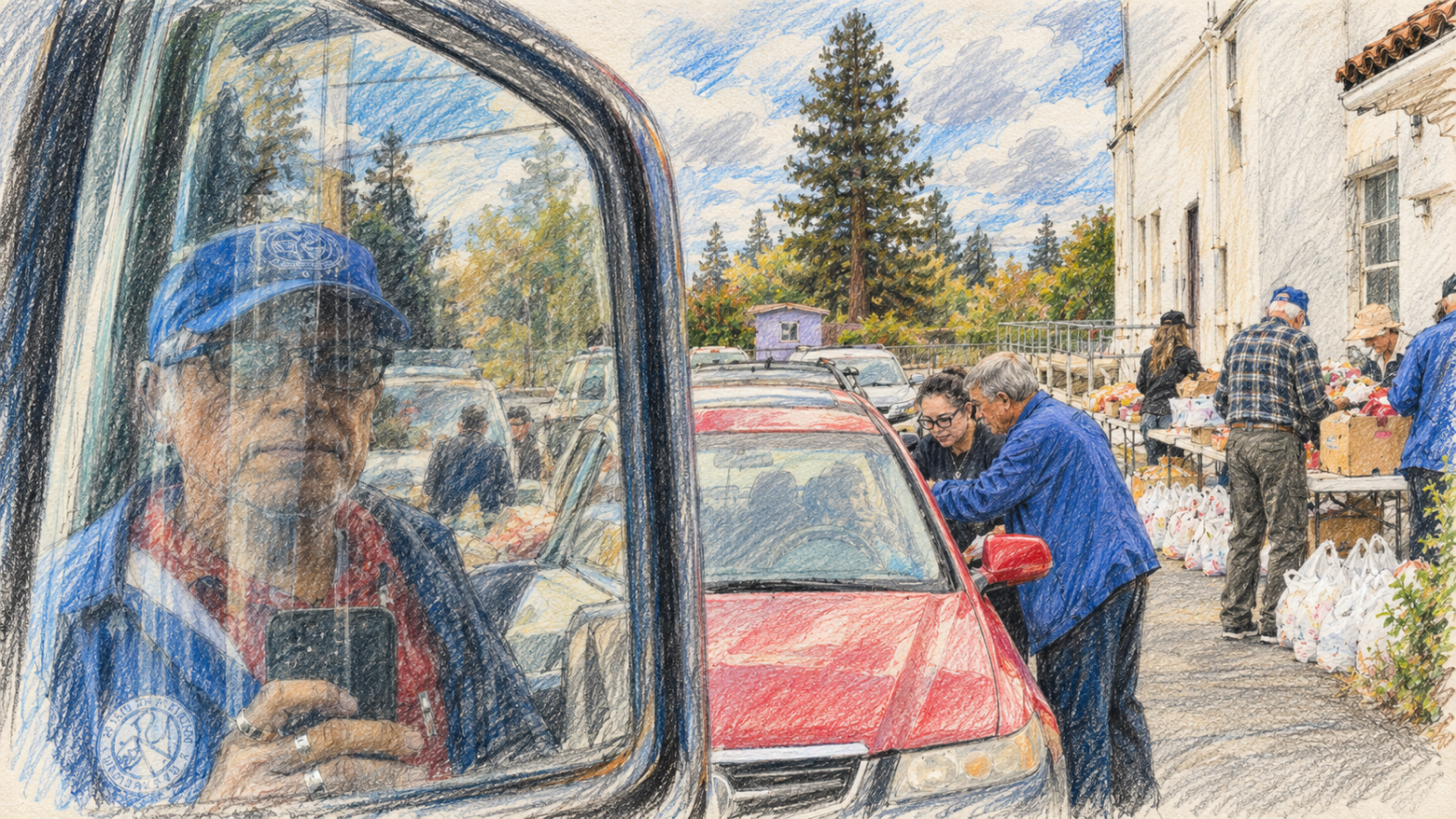
When we listened back to one of our stories, we discovered that eight of our children had disappeared from the arithmetic. There were not three people in that car. There were eleven. The next morning, nine of us left home together—and someone saw us.
Your Children Are Your Life
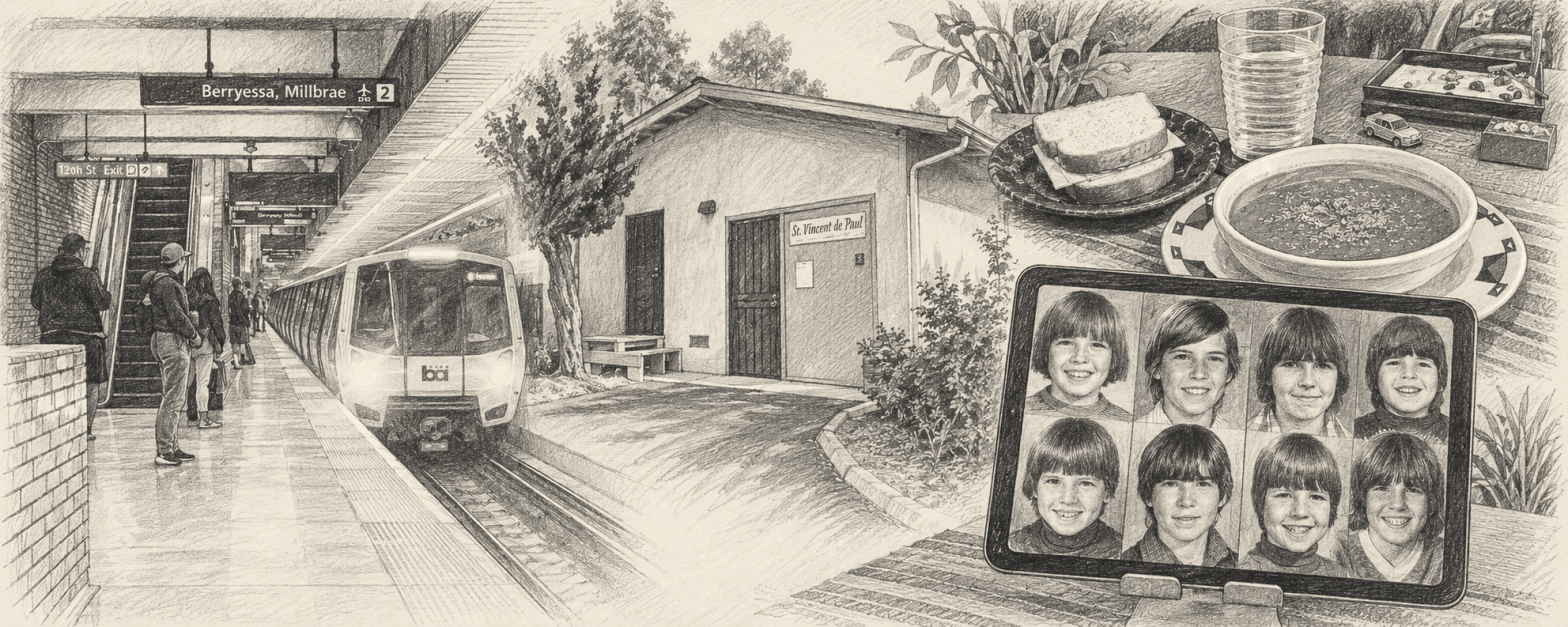
A trip to Hayward becomes something more than a meeting: a family moves toward an uncertain future without leaving anyone behind. There is BART, peanut butter and jelly, grace, a new Vincentian home, time together afterward—and a friend who understands something essential: “Your children are your life.”
We Know Where We Are
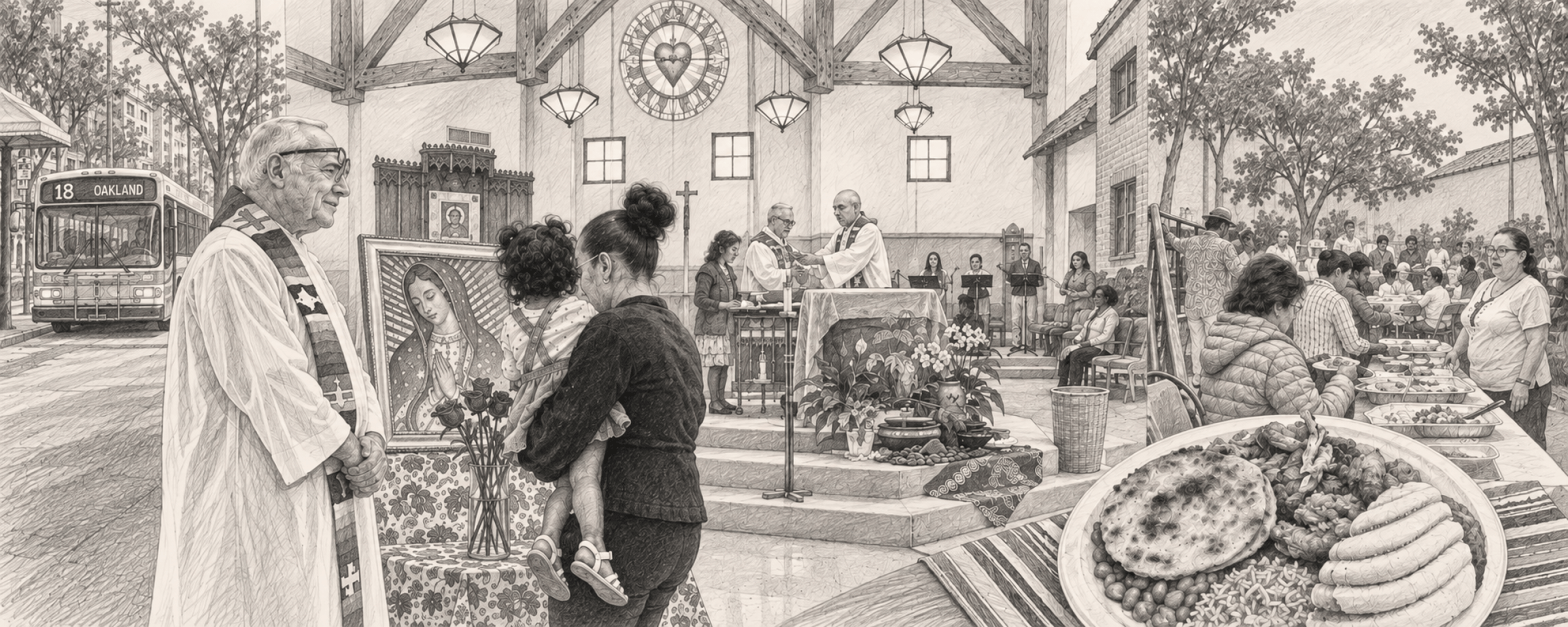
A smell of aftershave opened one door into the past. A bus carried us past an old life and toward somewhere new. At Sacred Heart, amid Spanish-language liturgy, childhood memory, uncertainty, and belonging, Solis opened his eyes and knew where we were: “This is our parish.”
Nine Lives Here
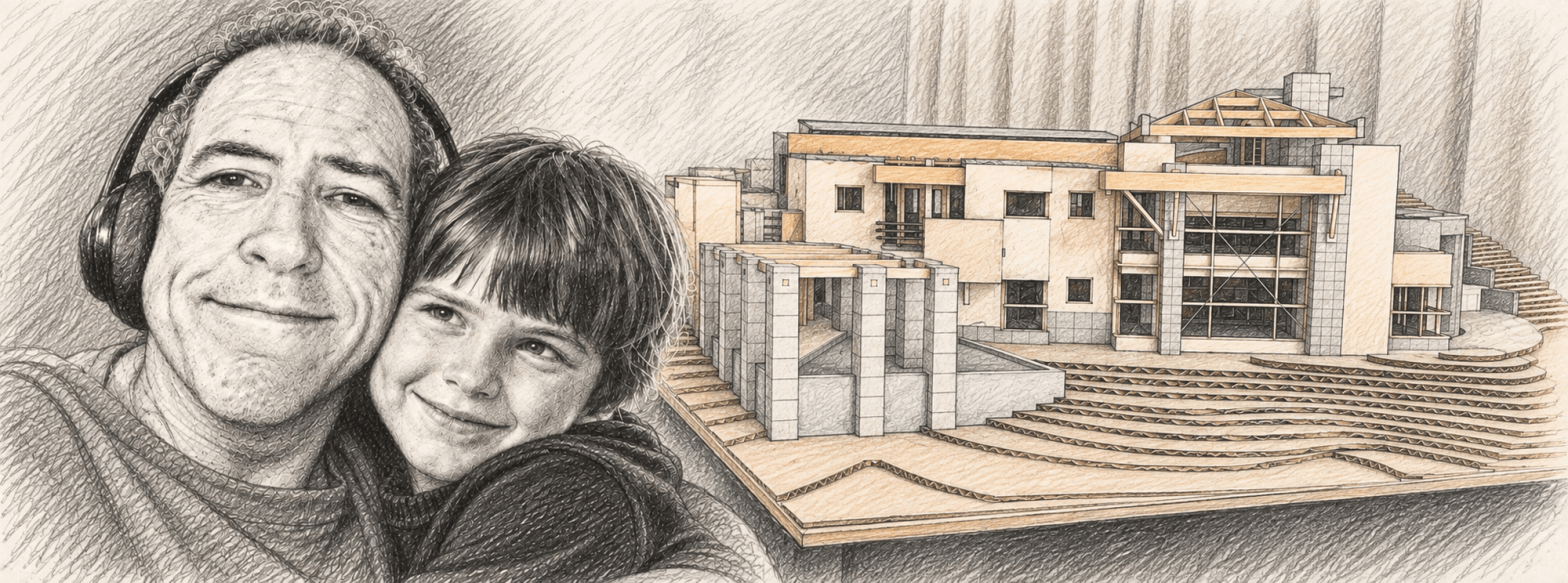
Solis’s Day, a seven-year-old’s question—What are we supposed to be doing?—becomes a question about work, authority, safety, uncertainty and belonging. An almanac entry from a plural family learning that there are nine lives here, and practicing how to live like there are.
You May Think You See a Person Losing Their Mind
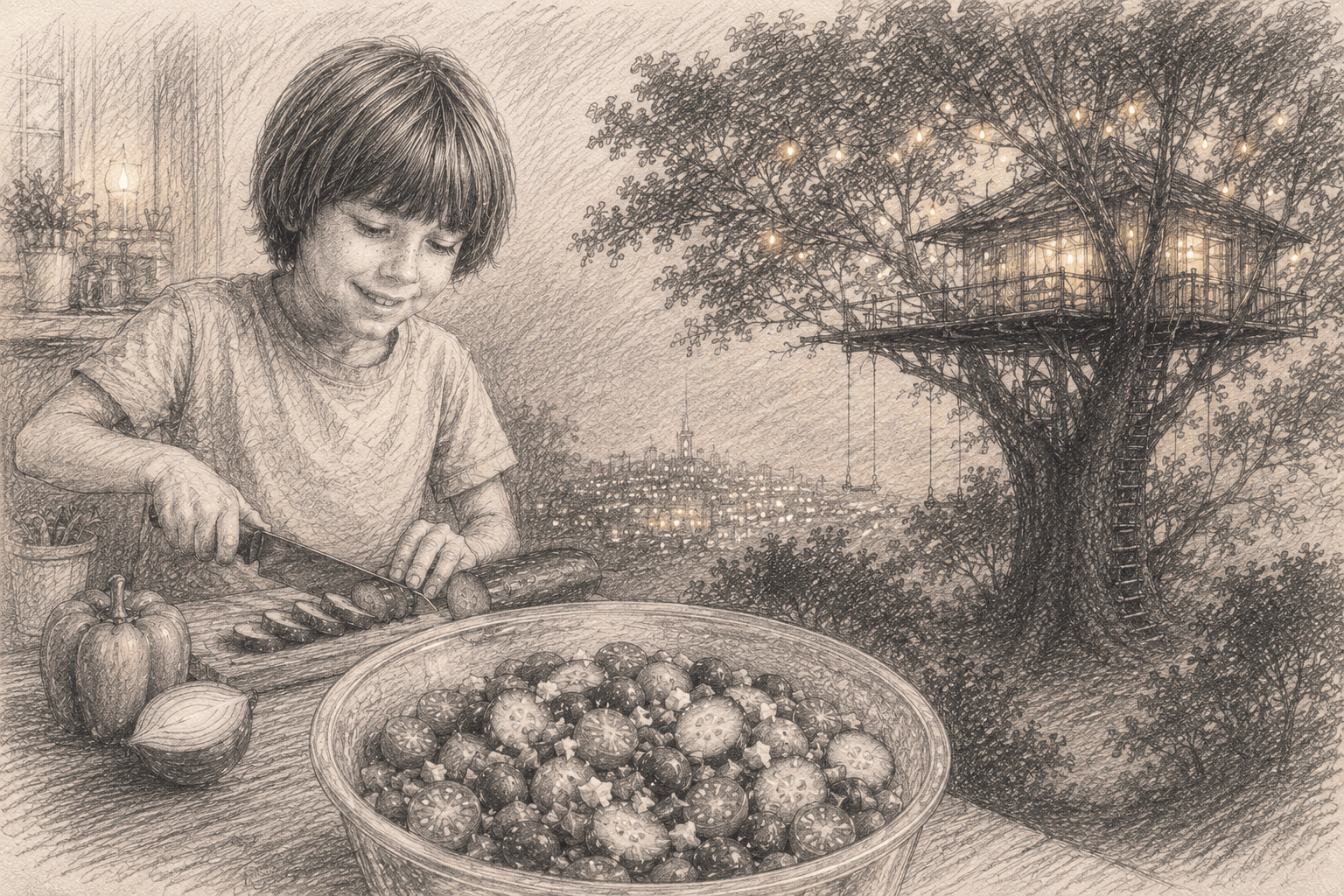
A jagged Wednesday becomes a portrait of how a plural family holds itself together. Plans fail, the bedroom becomes unusable, memories and outside messages unsettle the day, and the family keeps adapting—through listening, boundaries, prayer, Greek salad, quesadillas, Hilda, making the bed, and one brother reminding Daddy: “I think you should be with Luke.” Along the way, an ordinary question about whether nine people sharing one physical body have quesadillas in their stomach or their stomachs opens onto something larger: anatomy, family, and the interior ways we know one another.
Then How Does Anything Get Done?
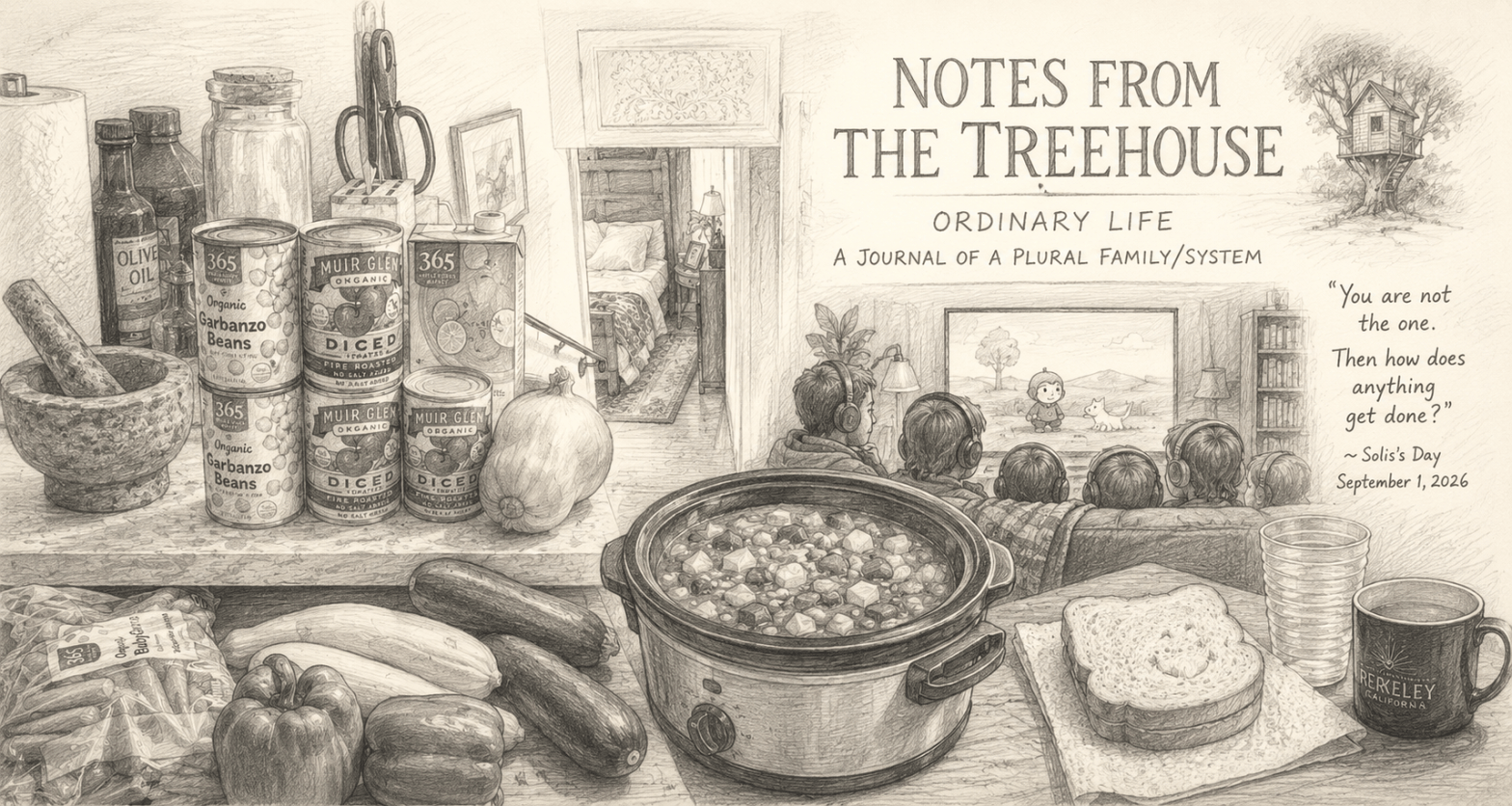
Yesterday we wrote that nobody in our plural family is THE ONE. Today, Solis’s Day answered the obvious question: Then how does anything get done? Groceries, garlic, an unmade bed, a four-year-old’s stew, fear, changing plans, and eight sons who keep showing Daddy what happens when everyone belongs and being heard can actually change what happens next.

