A Greek salad, a childhood photograph, and a second therapy session that changed how we understood our future. We arrived afraid that our family would be judged. Instead, our therapist recognized all nine of us, challenged a terrible lesson learned in childhood, and gave us permission to spend six months recovering. Sometimes the most extraordinary gift comes in the simplest words: “Take care of your kids.”
Tag Archives: Faith
Maybe We Graduated
After nearly thirty years in architecture, we asked Jesus to put us where he wanted us. What followed was the greatest job we never knew we wanted—and six years that transformed our plural family of nine. On Han’s Day, we reflect on faith, disability accommodations, beloved community, the little brother Han has loved for decades, and the possibility that losing a job doesn’t mean losing our vocation. Maybe we graduated.
I Have This Life in My Arms
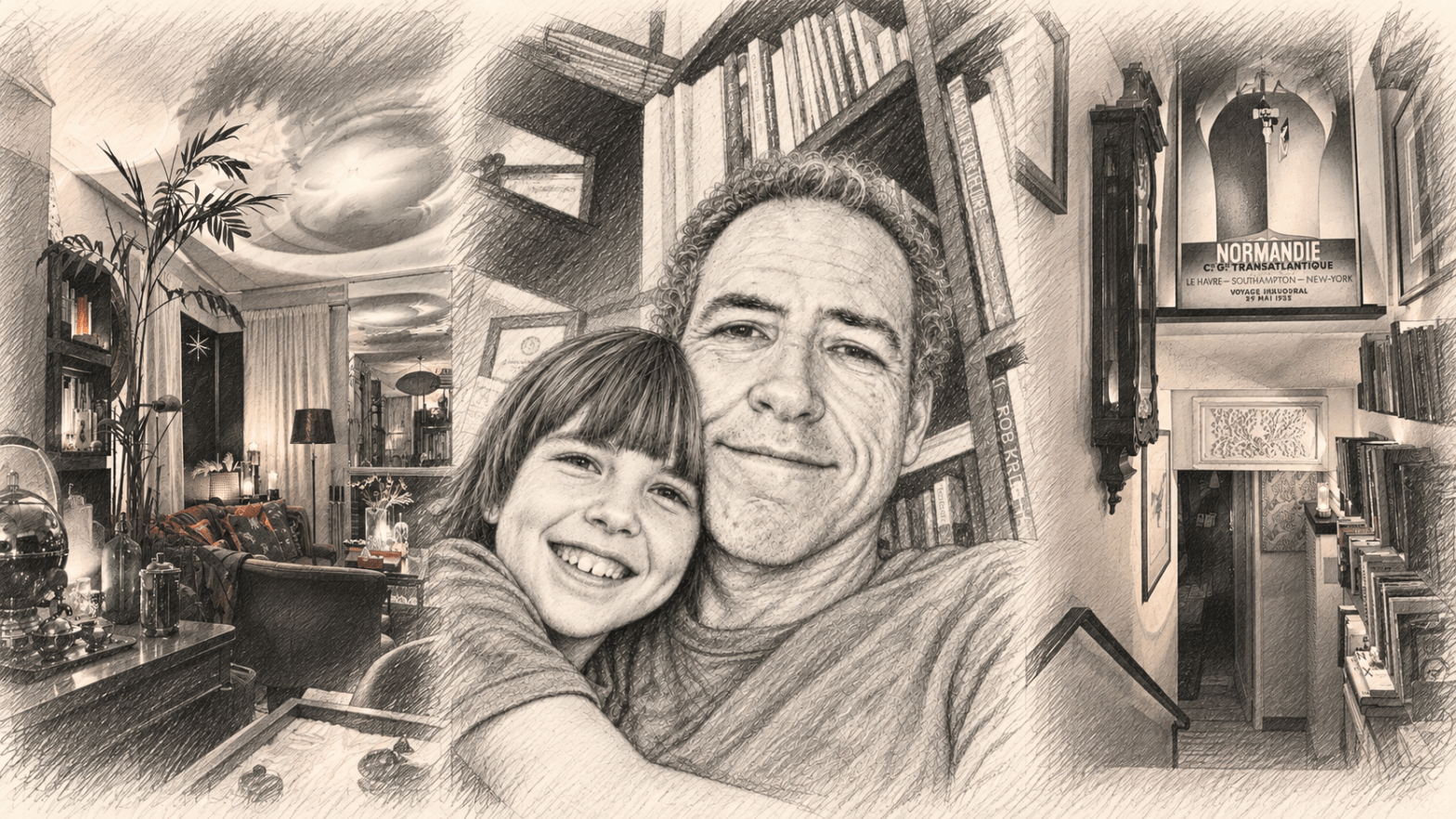
On Luke’s Day, an unexpected answer to prayer, a fraudulent email, and a promise to my nine-year-old son taught us that putting our children first means more than making time for them. It means allowing each child to be himself, listening to what he tells us, and remembering that the work of understanding our lives must never take the place of living them together.
Love Is Not What Happens After Everything Else Is Finished
On Solis’s Day, an urgent effort to help a neighbor find housing brought an old workday back into our home. But three extraordinary minutes with my seven-year-old son helped us understand what life might look like if we organized it around the children—and remembered that love is not what happens after everything else is finished.
It Was Good, and It Was Too Much
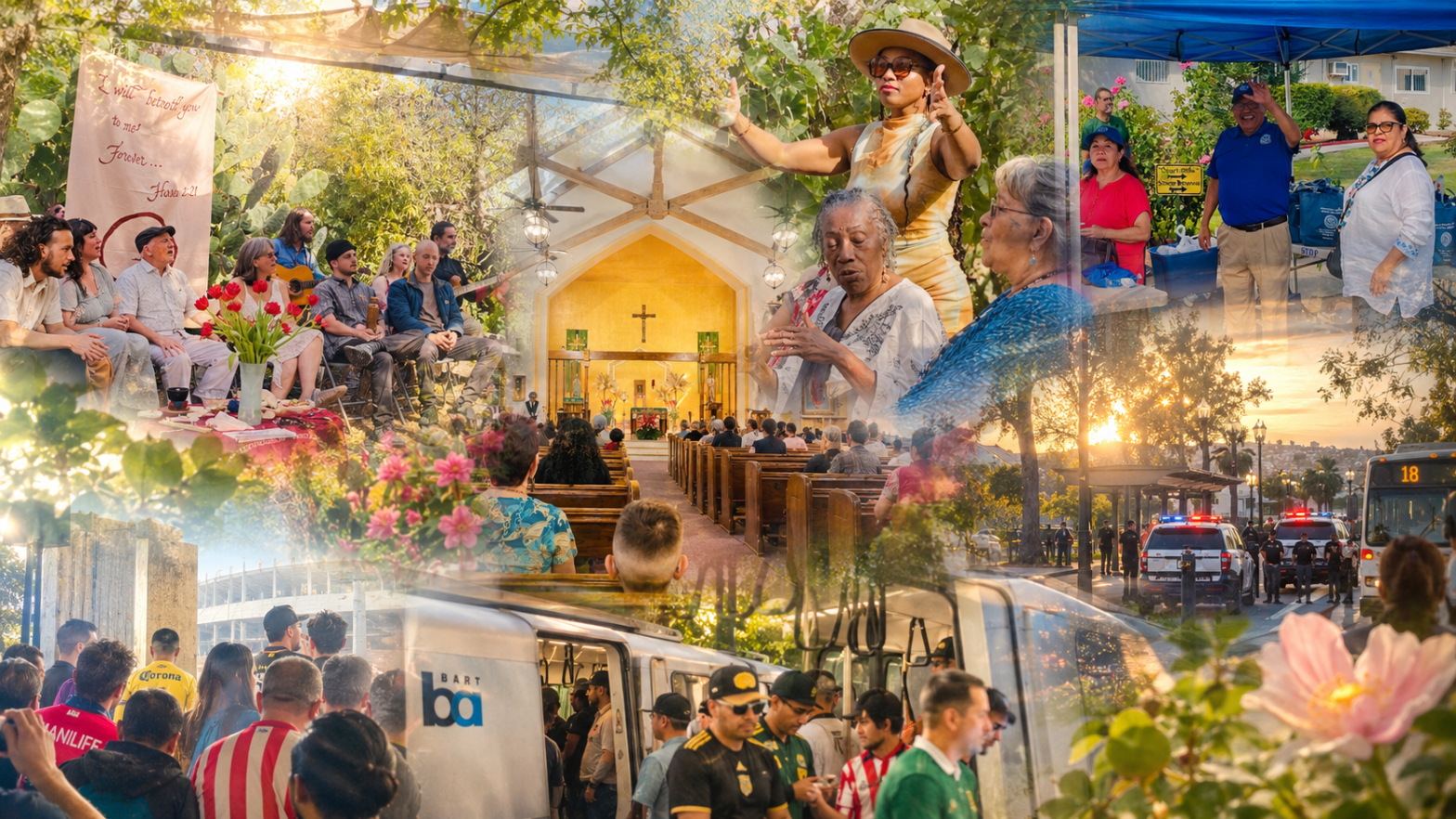
Eight children and their dad went together into a beautiful world on a Sunday. Canticle Farm, Spanish Mass, community, service, families, music—and by late afternoon, we were at our limit. Maybe being realistic doesn’t mean learning to endure somebody else’s version of life. Maybe it begins by designing a life around the nine plural people who actually have to live it.
When Life Becomes Small Enough to Touch Again, Hope Appears
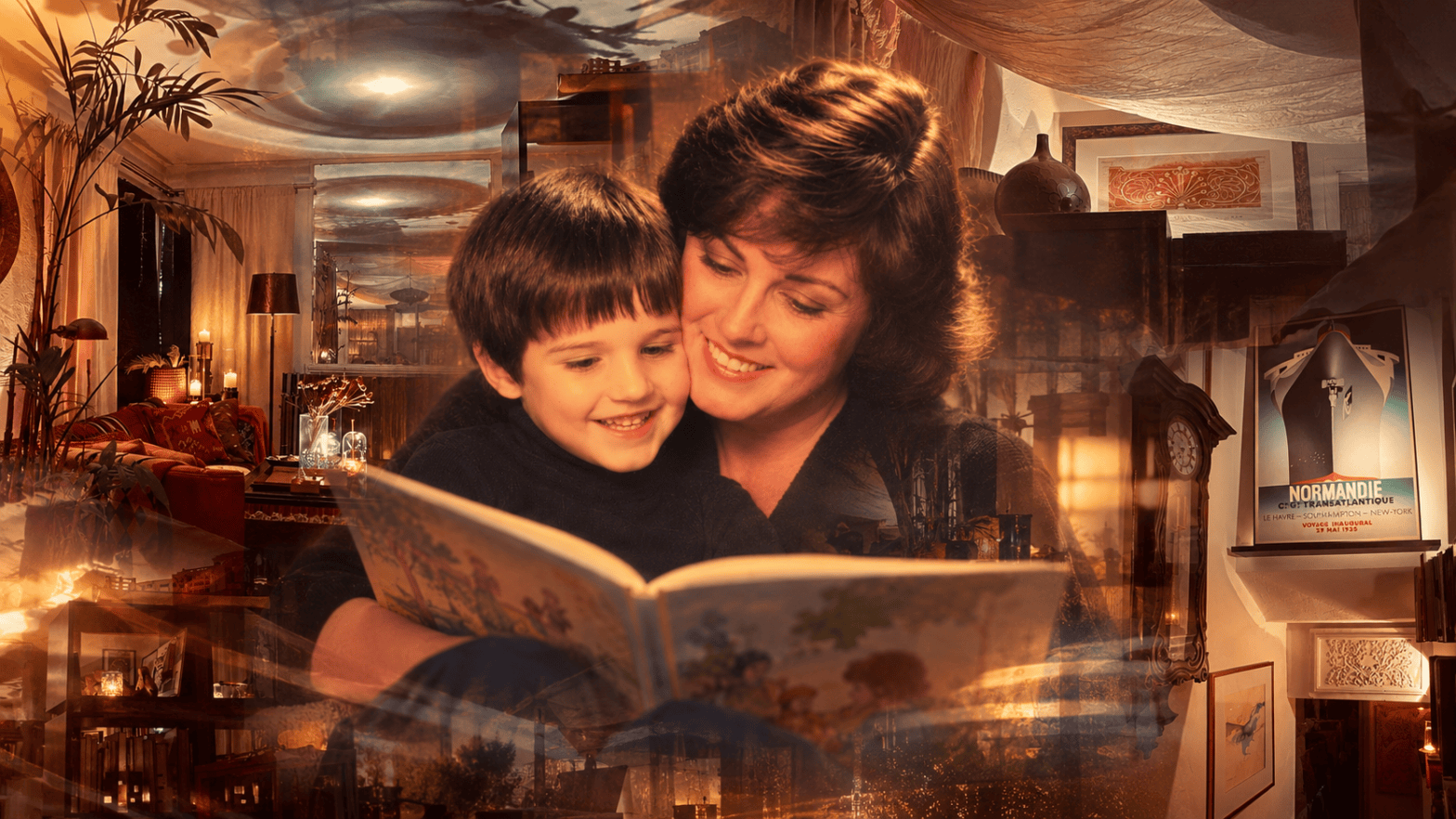
Hope’s Day begins with a nightmare of separation and gradually becomes something smaller, quieter, and more hopeful: a mother reading a child a book, peanut butter on waffles, fabric above a damaged ceiling, a father holding his sons, and tiny lights returned to their places. Sometimes hope appears when life becomes small enough to touch again.
Everyone Needs a Face
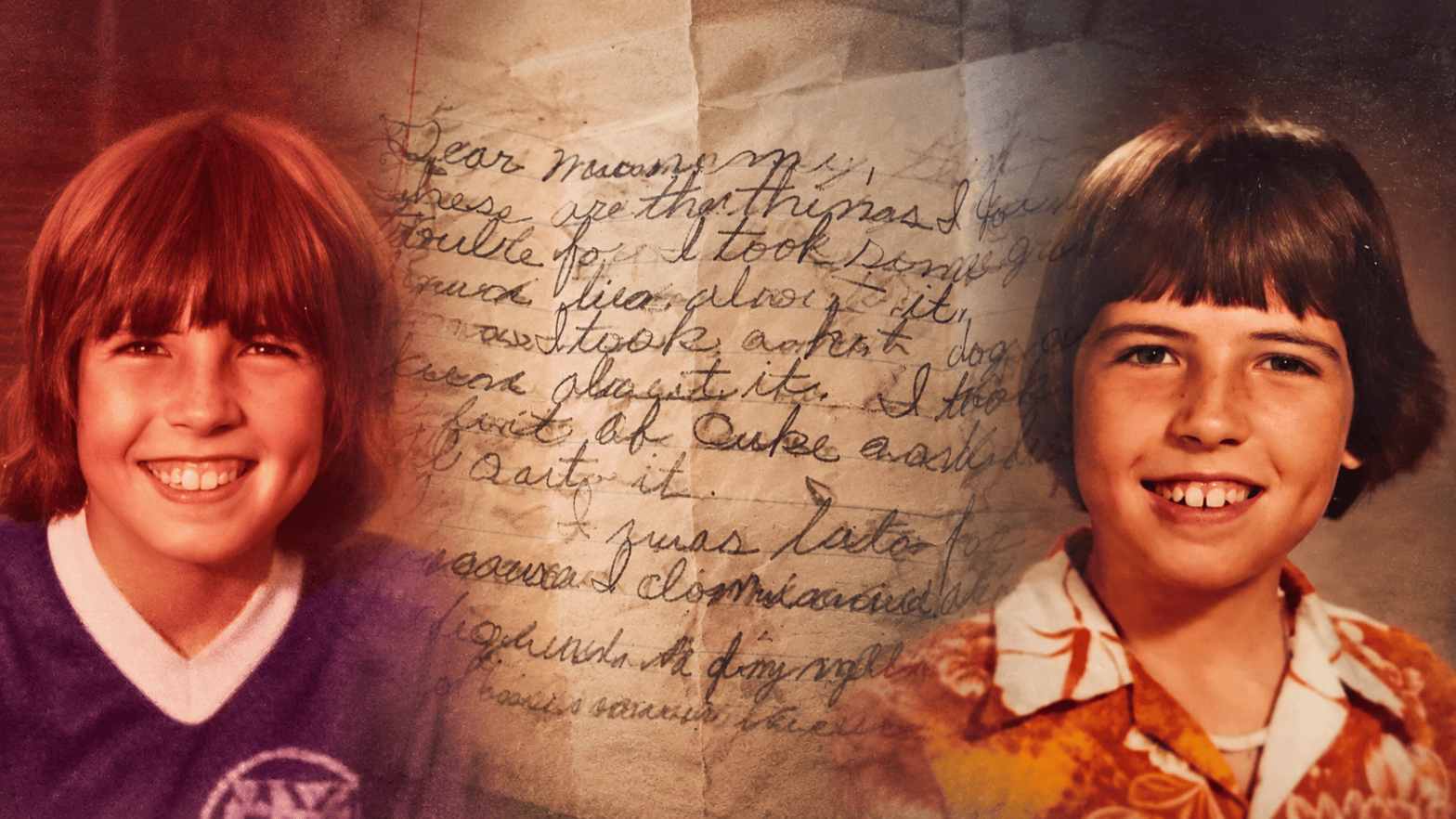
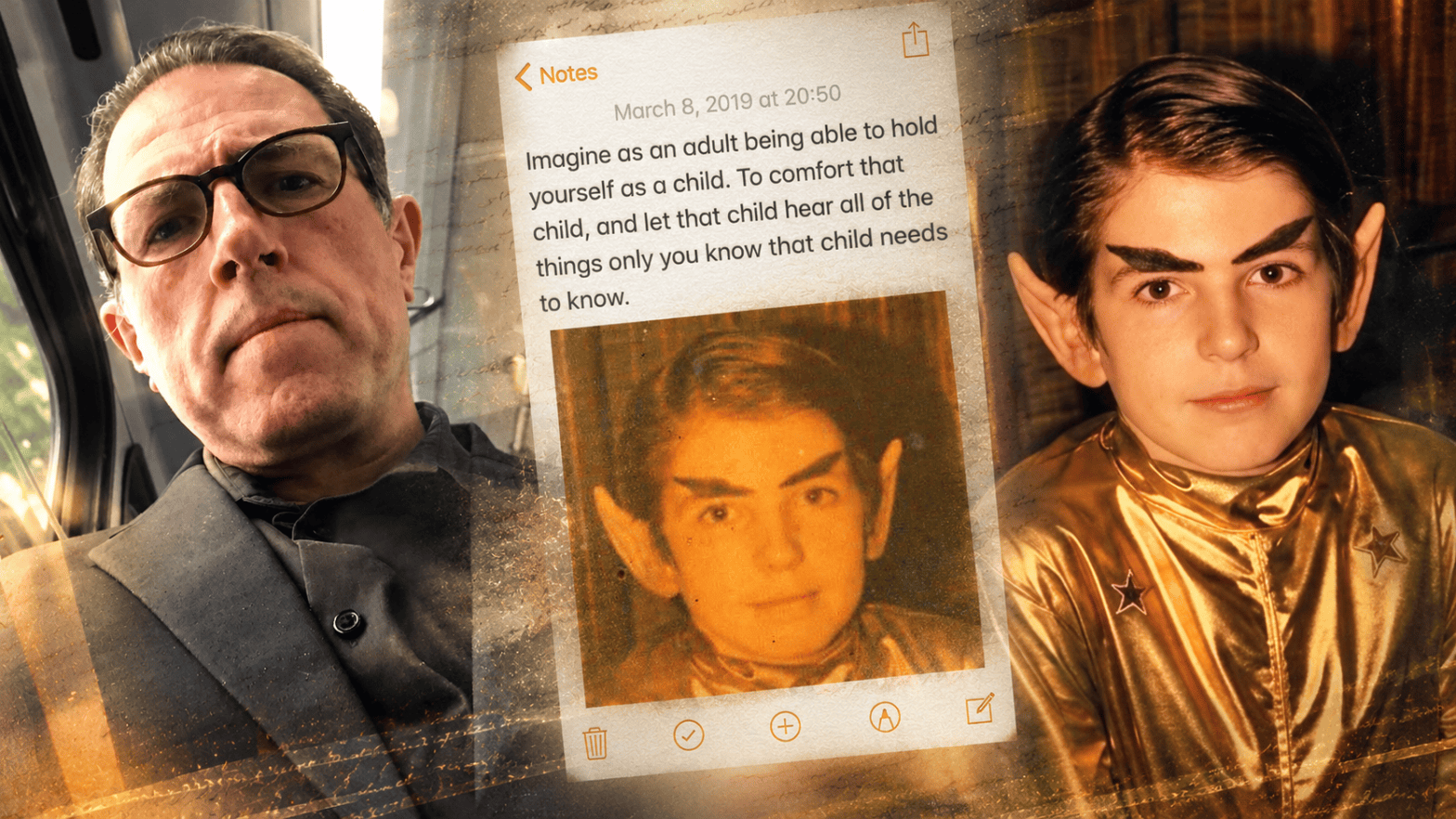
A childhood photograph I once could barely look at has become the face of my ten-year-old son. On Han’s Day, two photographs, an old therapist, and a morning together teach us something about trauma, joy, recognition, and what it means to believe someone when they tell you what you cannot see.
We Have Earned Something
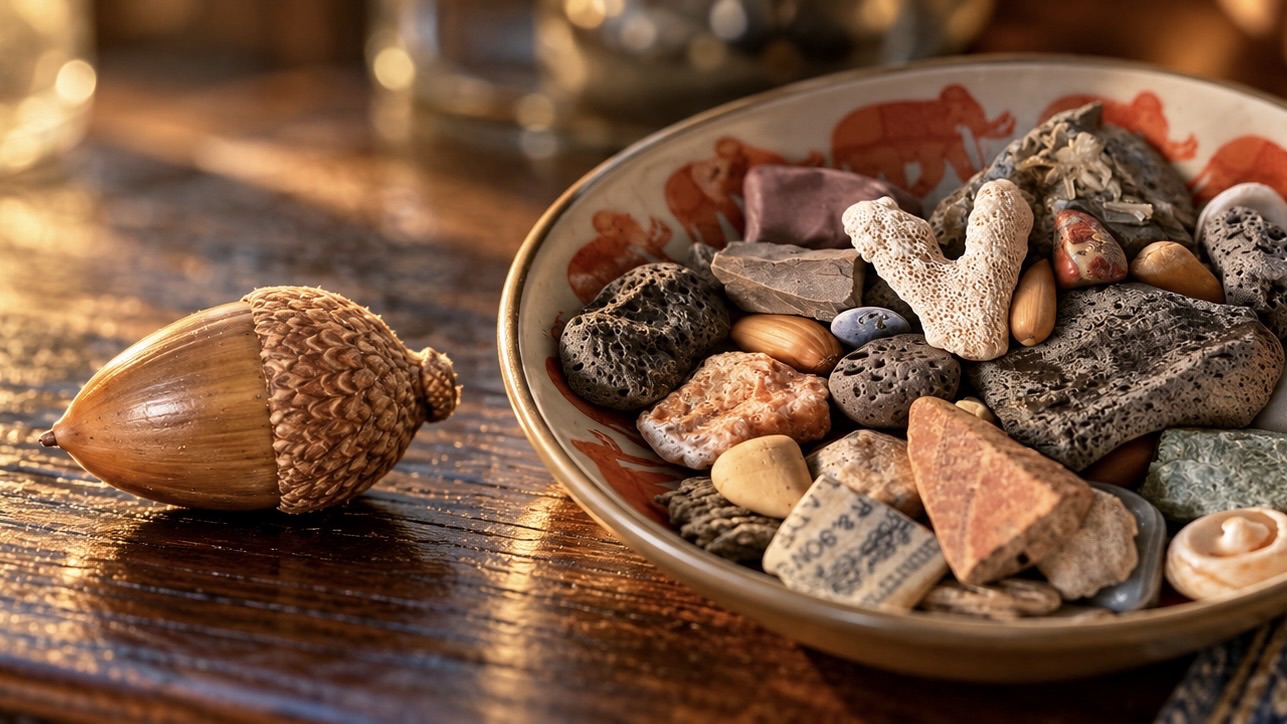
After months of fear and freeze, something has begun to move. With the help of friends, the grace of God, and a little acorn found beneath an oak tree, we are learning that receiving help can be an act of agency—and that not everything we earn needs to be measured, named, or turned into a wage.
There Were Eleven People in That Car 
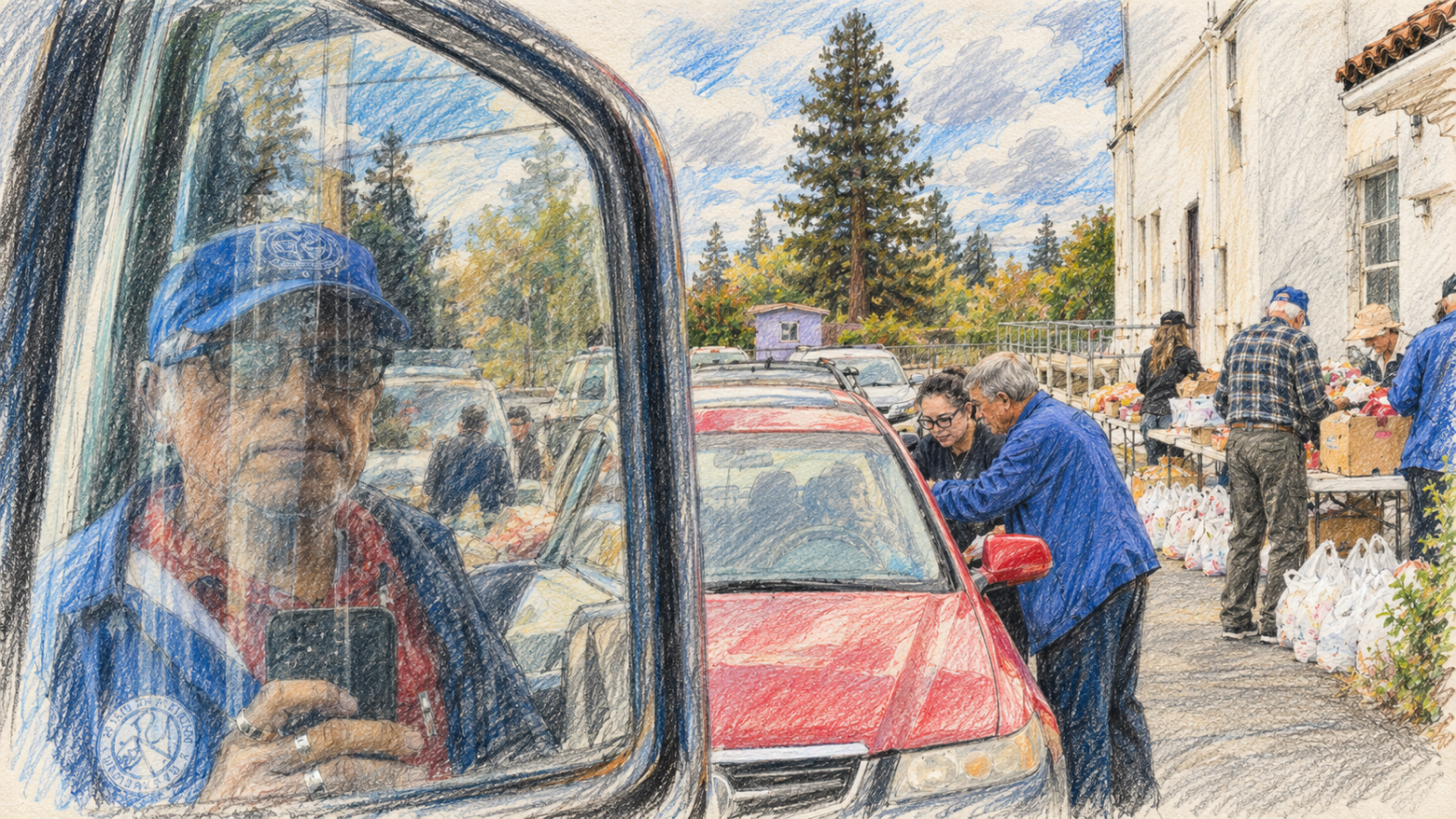
When we listened back to one of our stories, we discovered that eight of our children had disappeared from the arithmetic. There were not three people in that car. There were eleven. The next morning, nine of us left home together—and someone saw us.
This Belongs to Us
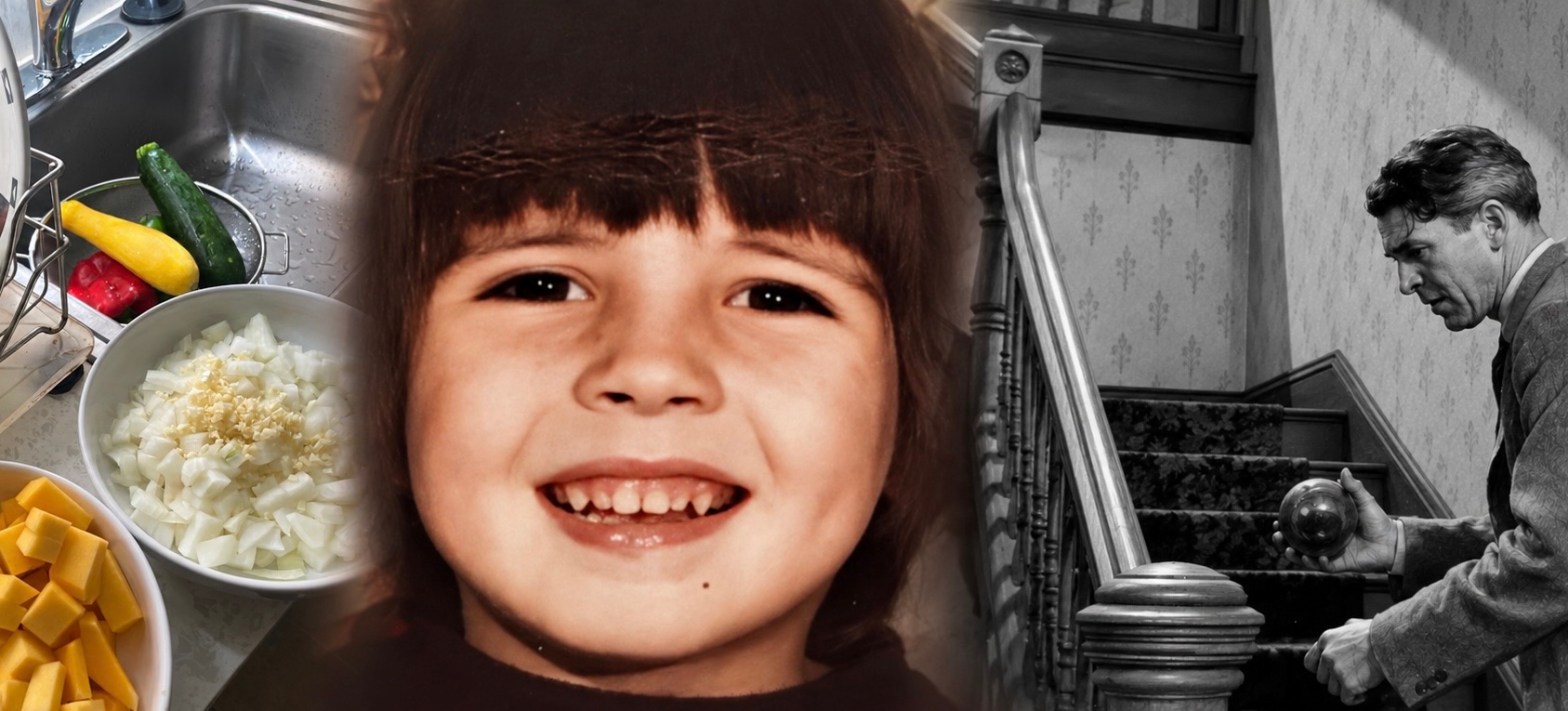
This morning, while Dad held four-year-old Jude, he found himself thinking about what was happening to us when we were Jude’s age—and about the difference between what happened to us and what truly belongs to us. Some things were never our purpose. Other things—the good memories, our home, our family, and even a slow cooker filled with Jude’s Stew—are ours to keep.

