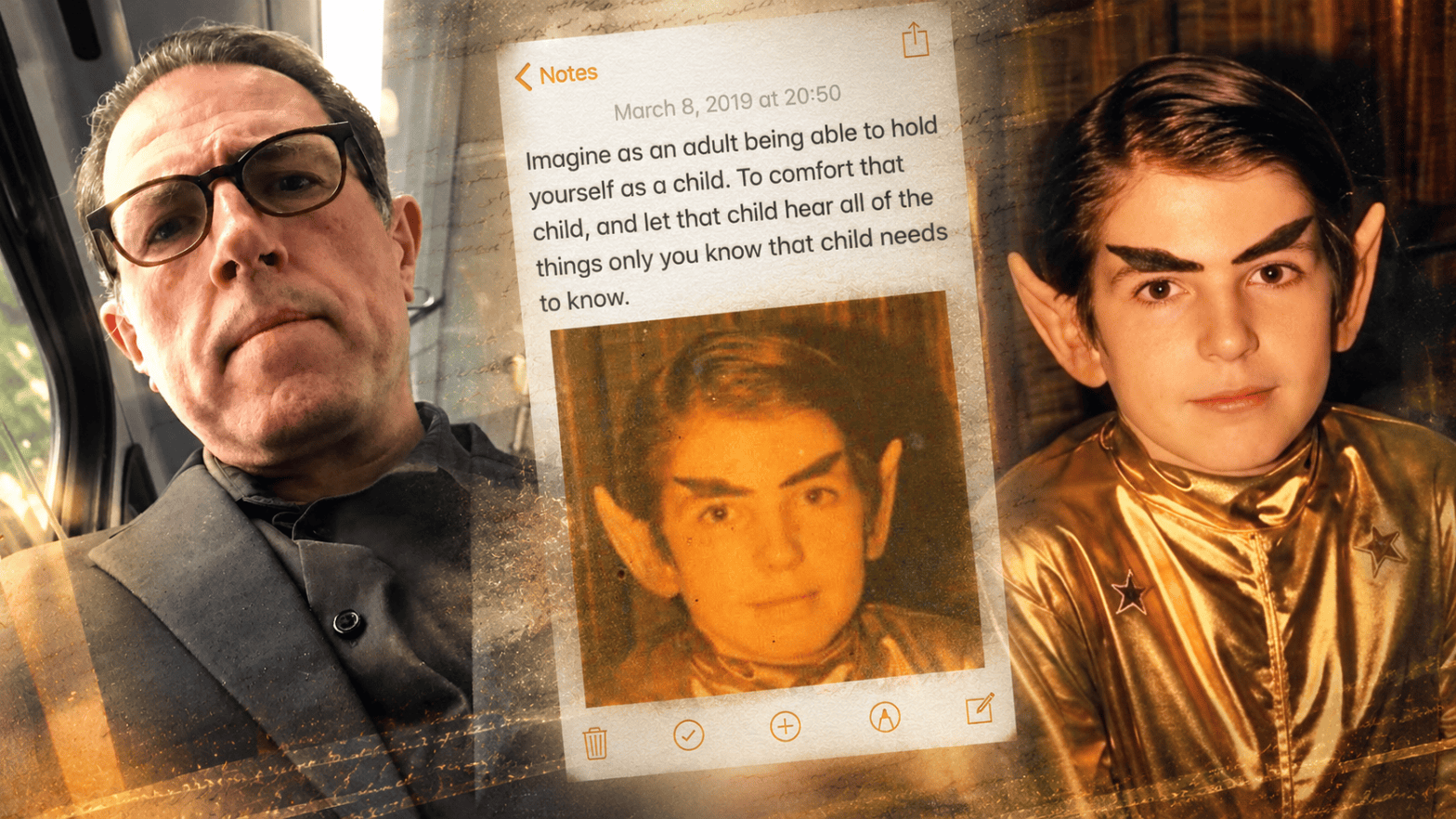
A Greek salad, a childhood photograph, and a second therapy session that changed how we understood our future. We arrived afraid that our family would be judged. Instead, our therapist recognized all nine of us, challenged a terrible lesson learned in childhood, and gave us permission to spend six months recovering. Sometimes the most extraordinary gift comes in the simplest words: “Take care of your kids.”
Tag Archives: Disability
What It Takes for Us to Be Here
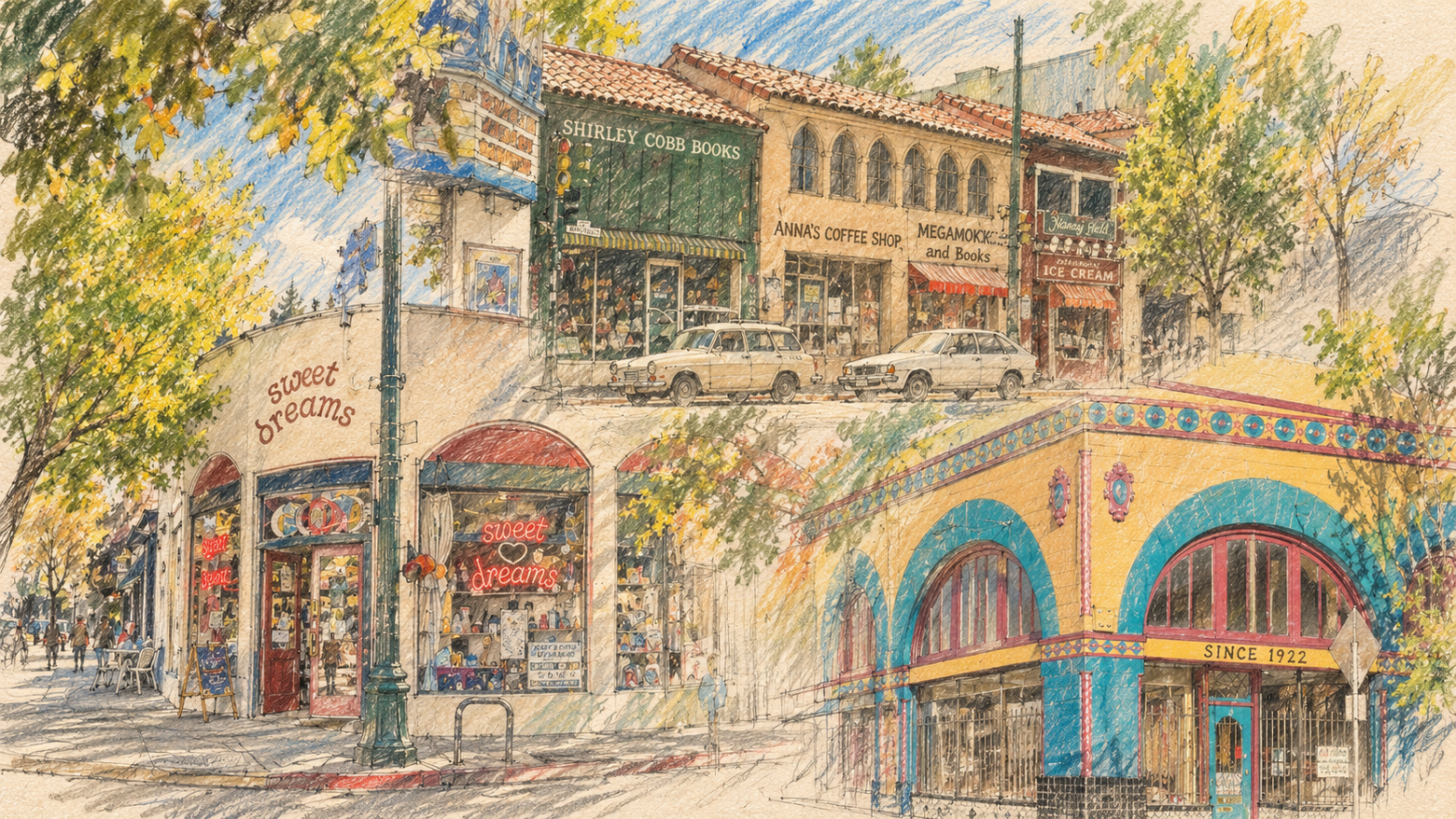
A childhood memory, our mother’s injury, and two questions from our new therapist reveal the extraordinary, often invisible work of maintaining an ordinary life as a plural family of nine—and what it takes to make that life sustainable.
It Was Good, and It Was Too Much
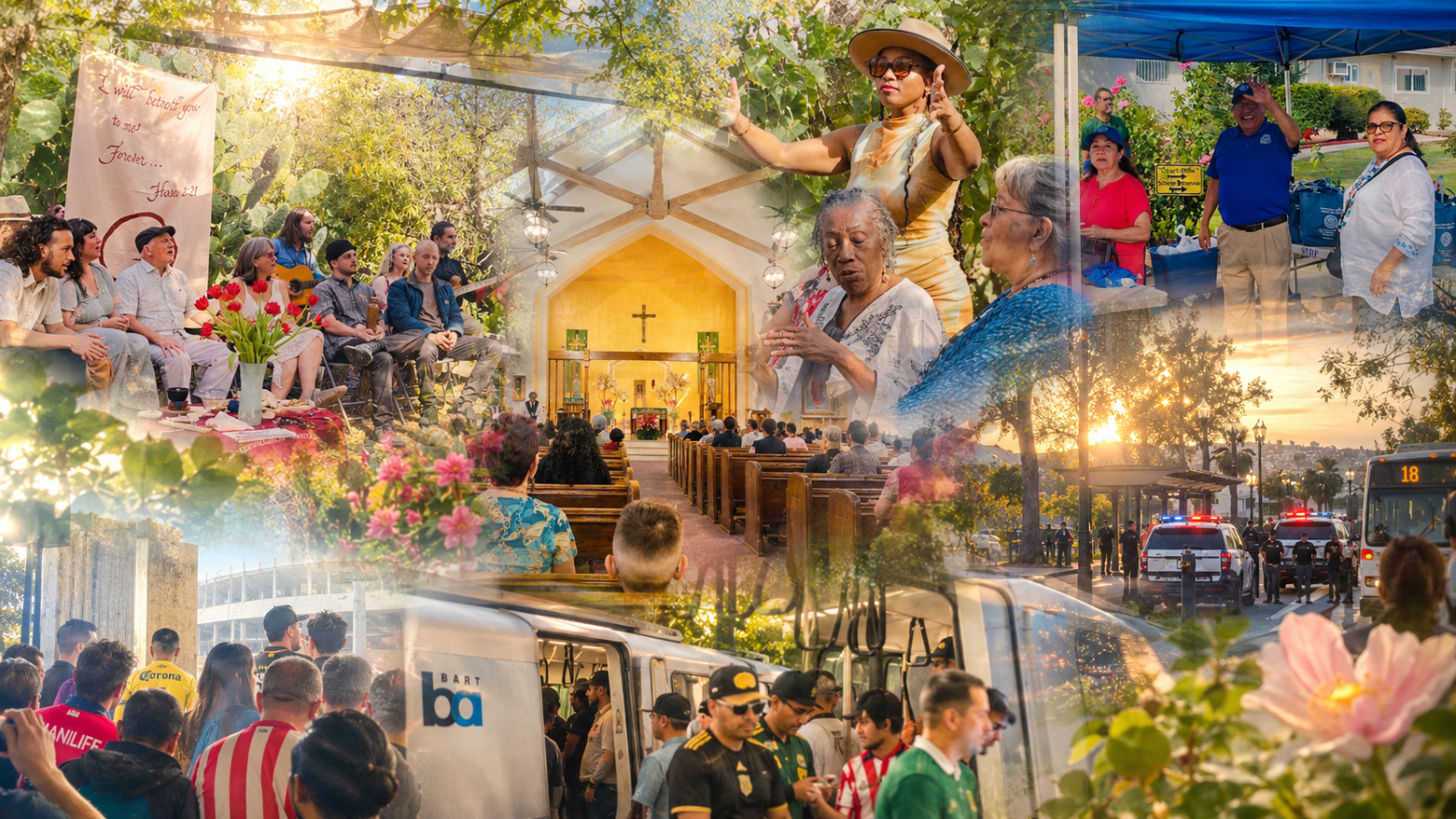
Eight children and their dad went together into a beautiful world on a Sunday. Canticle Farm, Spanish Mass, community, service, families, music—and by late afternoon, we were at our limit. Maybe being realistic doesn’t mean learning to endure somebody else’s version of life. Maybe it begins by designing a life around the nine plural people who actually have to live it.
Show Me Your Work: Inside the Journal of a Plural Family of Nine
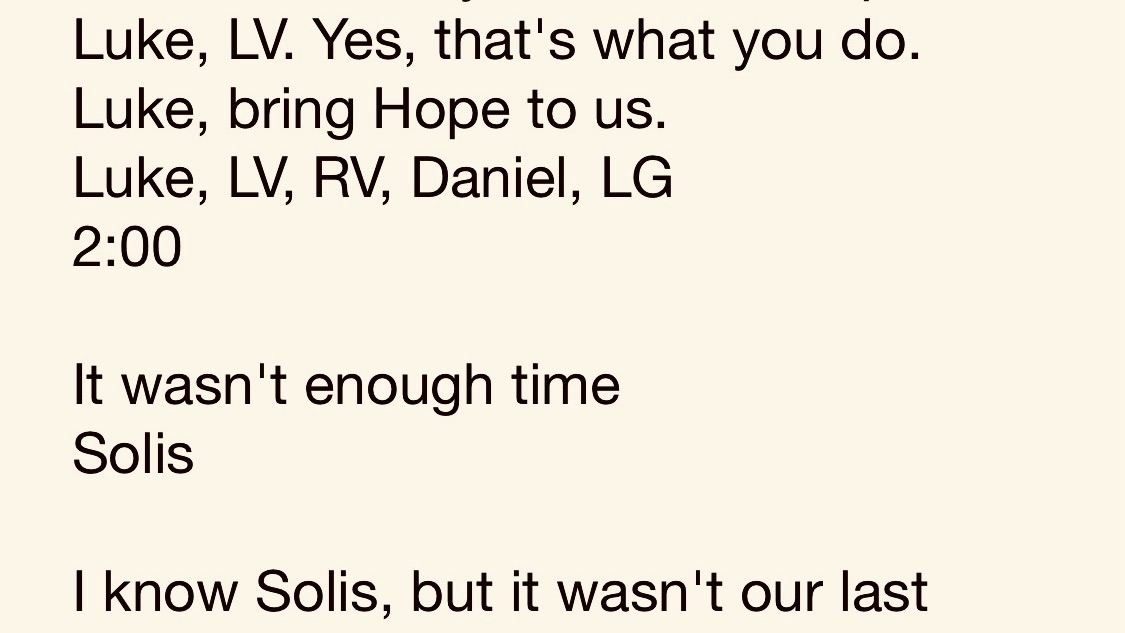
How a Montessori kid, a very large journal, and an artificial intelligence help nine people sharing one body find enough order to live an ordinary life.
Watching the Wheels
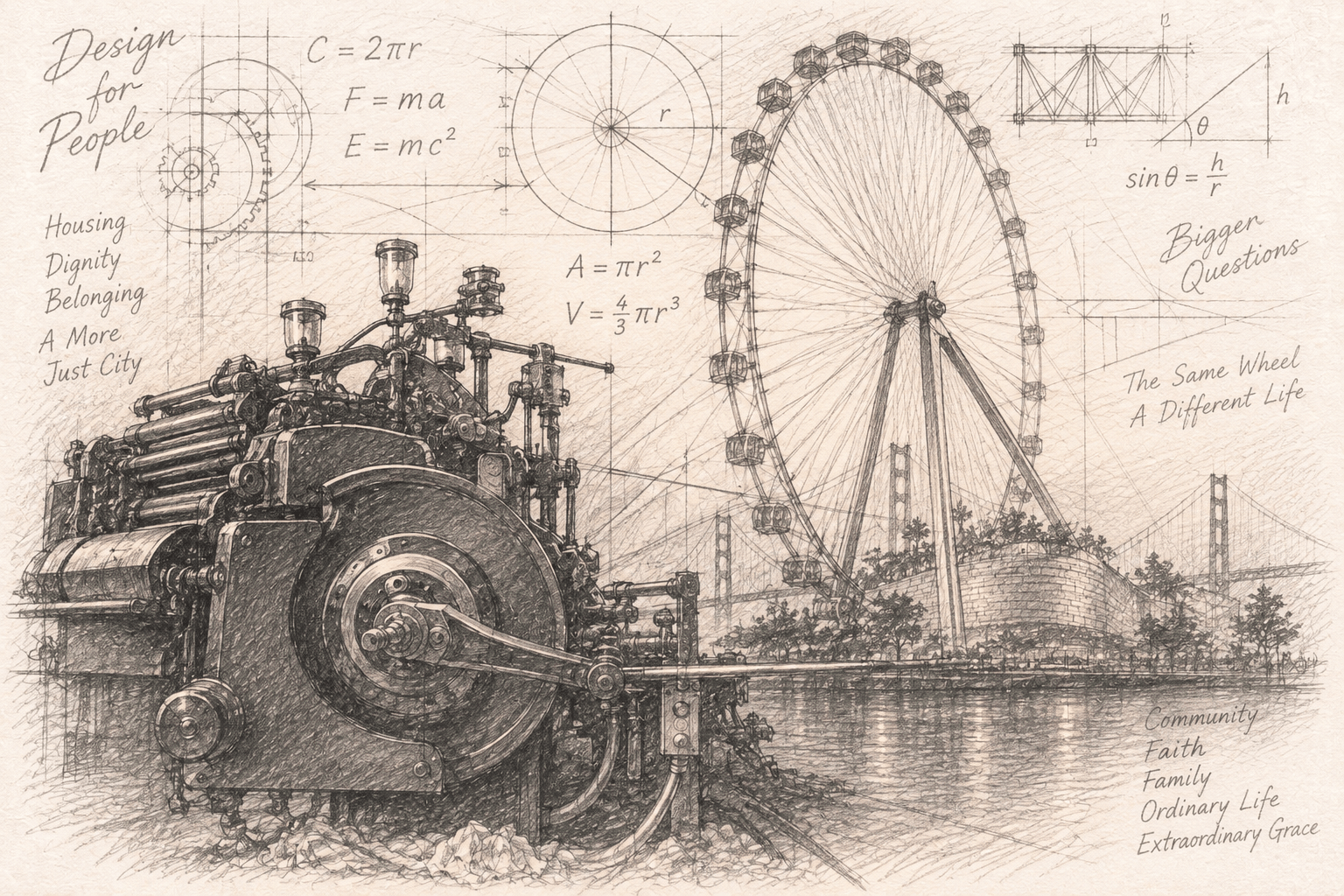
What happens when the tools meant to make life more accessible begin demanding more of the life they are supposed to serve? From an iPhone Shortcut to a Heidelberg press, a 700-foot Ferris wheel, songs remembered from childhood, and an afternoon spent holding our sons, we found ourselves asking a different question: What is the work of our life—and what happens when we stop chasing the wheels and simply take care of our children?
You May Think You See a Person Losing Their Mind
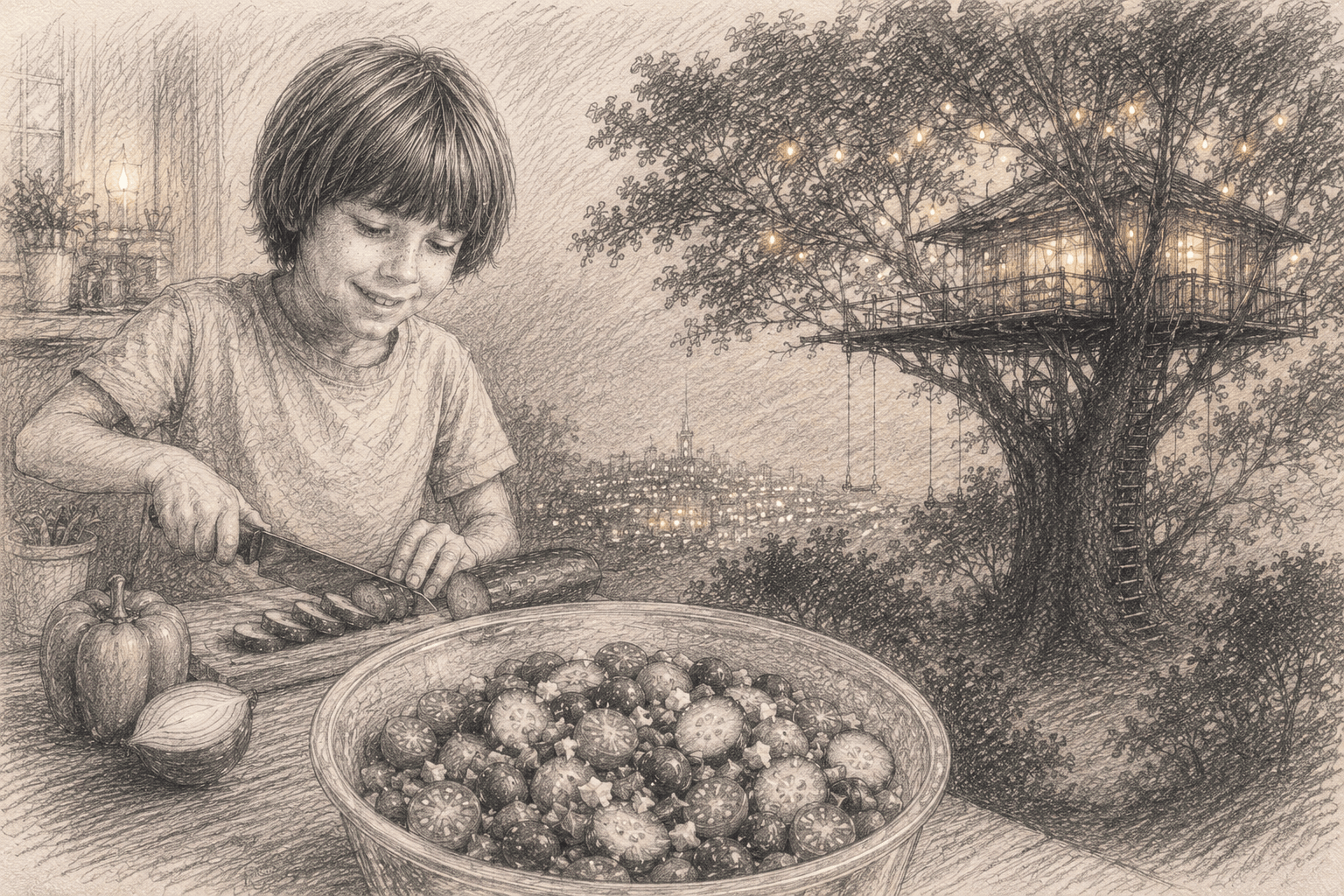
A jagged Wednesday becomes a portrait of how a plural family holds itself together. Plans fail, the bedroom becomes unusable, memories and outside messages unsettle the day, and the family keeps adapting—through listening, boundaries, prayer, Greek salad, quesadillas, Hilda, making the bed, and one brother reminding Daddy: “I think you should be with Luke.” Along the way, an ordinary question about whether nine people sharing one physical body have quesadillas in their stomach or their stomachs opens onto something larger: anatomy, family, and the interior ways we know one another.
Understanding September 1
What happens when nobody is THE ONE? A classical analysis of Solis’s Day reveals an answer emerging through ordinary life: Daniel wakes Daddy, Jude imagines dinner, Hope changes the plan, Solis draws an ethical boundary, and the family adapts when a difficult afternoon makes rest impossible. September 1 becomes a study in functional multiplicity, consequential listening, and a new understanding of stability: when something happens, the family remains.
Then How Does Anything Get Done?
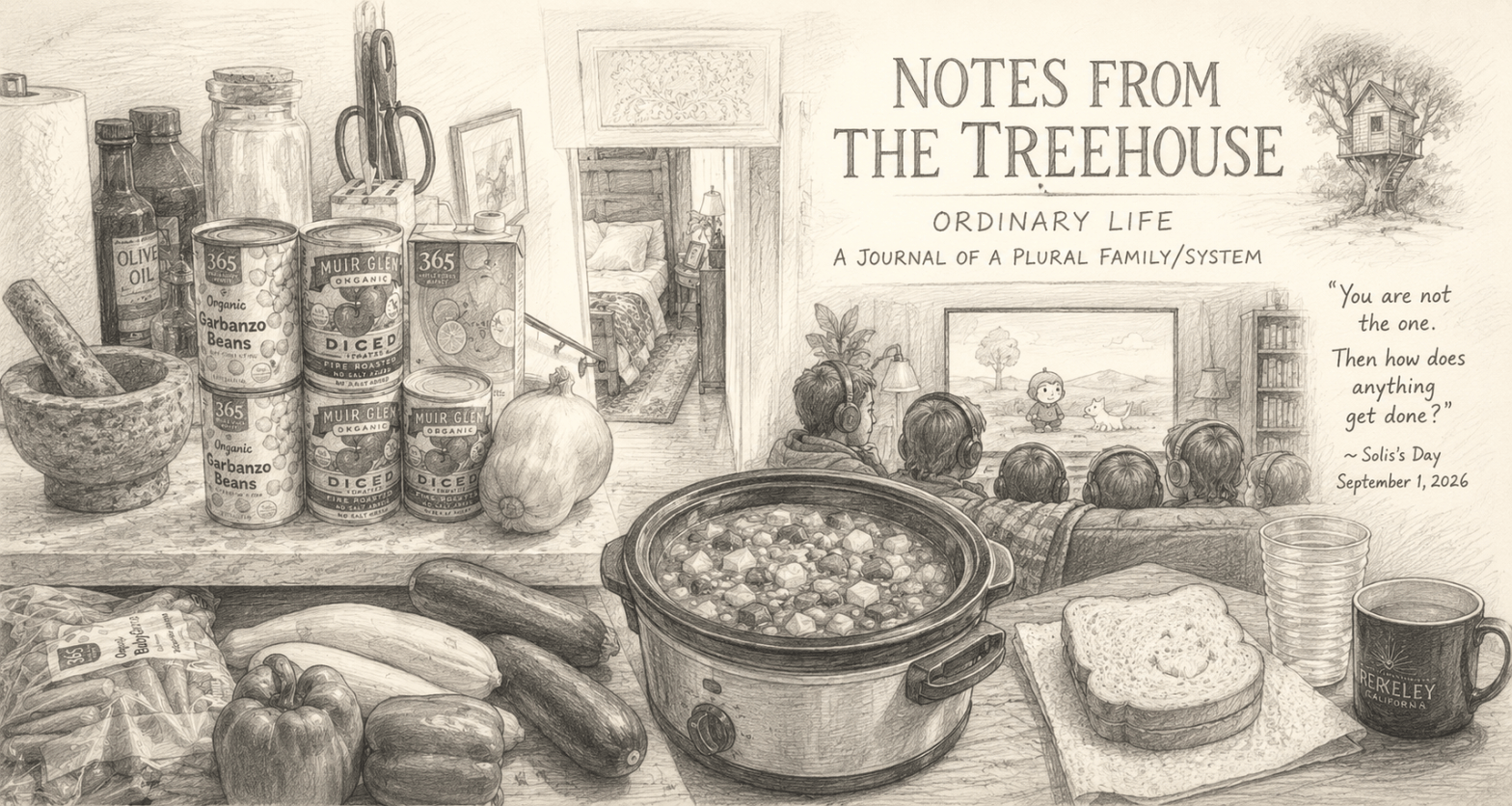
Yesterday we wrote that nobody in our plural family is THE ONE. Today, Solis’s Day answered the obvious question: Then how does anything get done? Groceries, garlic, an unmade bed, a four-year-old’s stew, fear, changing plans, and eight sons who keep showing Daddy what happens when everyone belongs and being heard can actually change what happens next.
You Are Not the One
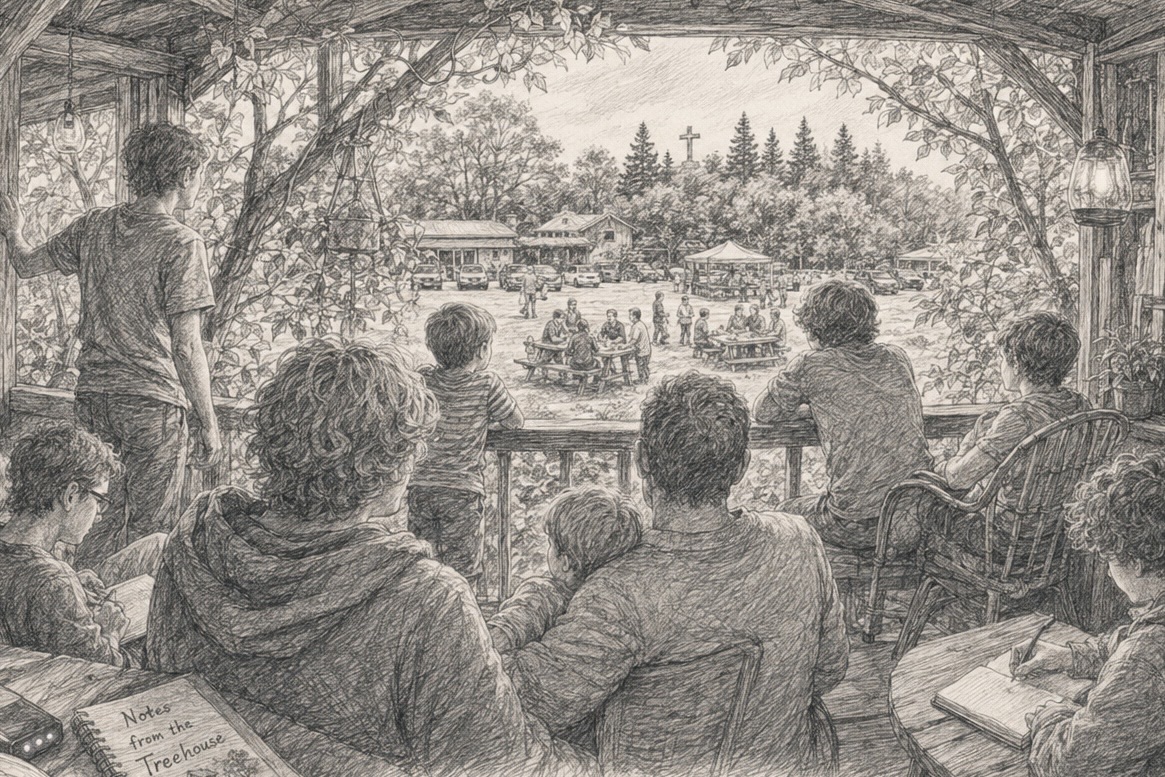
Yesterday was input. Today is processing. For a plural family/system, moving forward means more than making a plan—it means making sure everyone has been heard. As we begin imagining the next twenty years of our shared life, perhaps the most important question is also the simplest: Who haven’t we heard from yet?
Solis’s Day Is Reclaiming the Sabbath
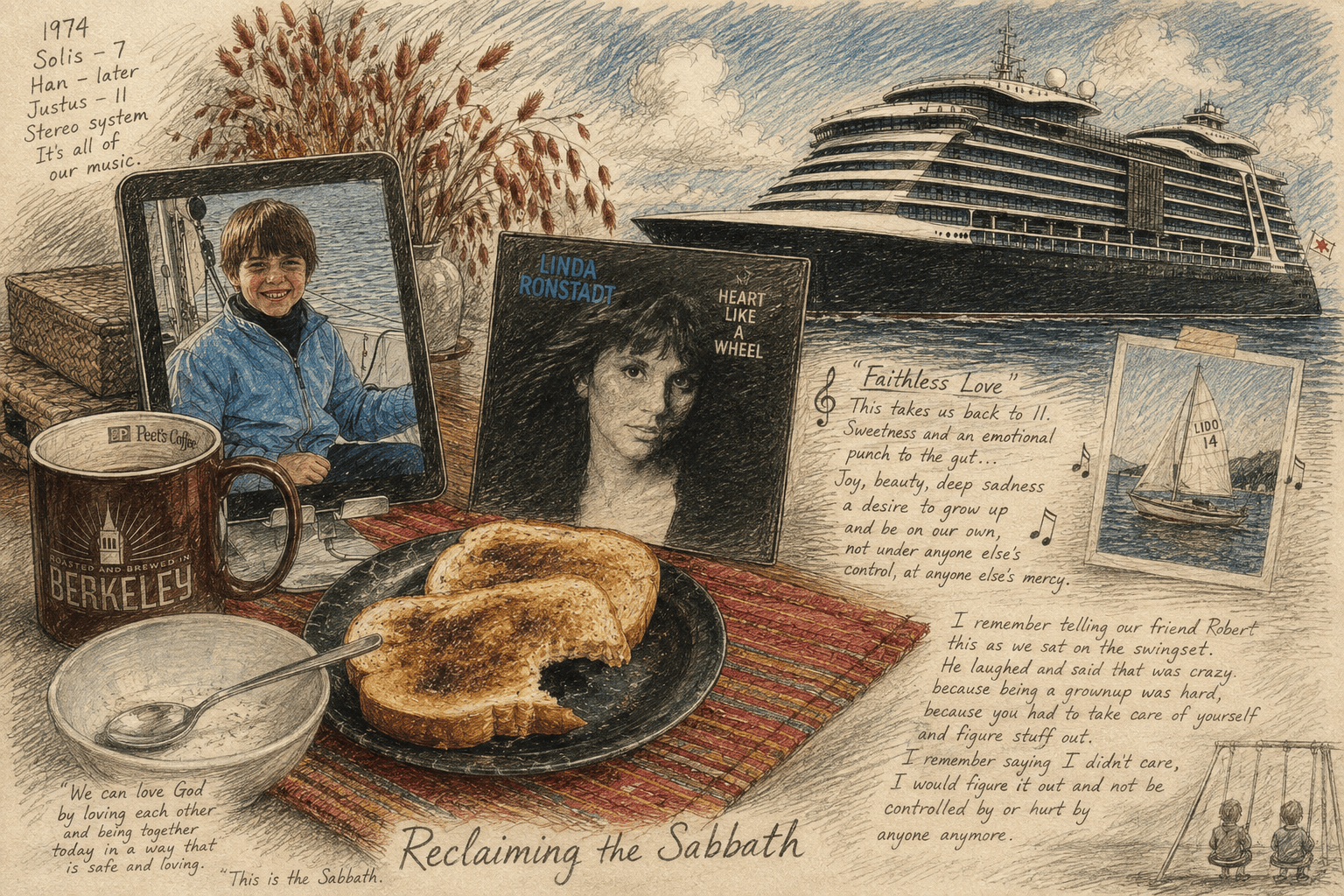
We stayed home on Sunday because we needed rest. By midday, the journal—and the analysis that followed it—was uncovering something much older about urgency, safety, work, faith, independence, and what it means to reclaim the Sabbath.

