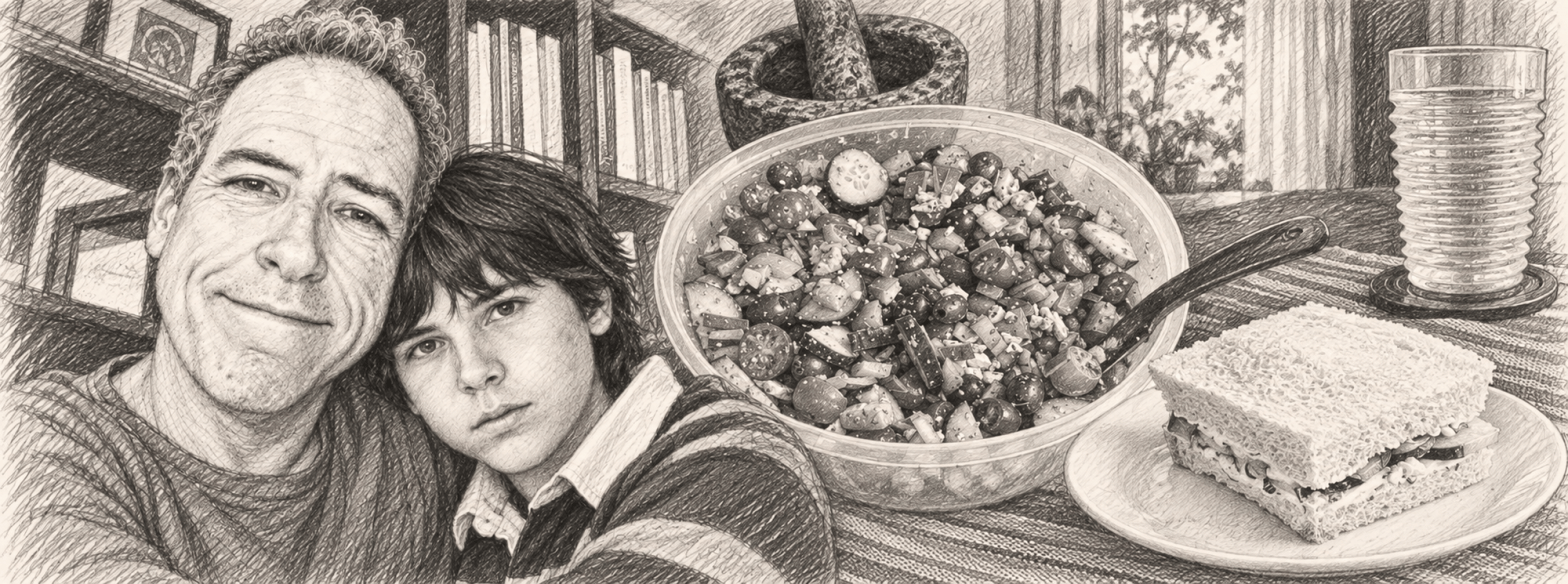
A therapist said they couldn’t work with us, and fear rushed to fill the blank space. On Hope’s Day, we returned to a principle our family knows well: err on the side of life. We called our children by name, kept Daddy’s appointment with his sons, ate cucumber sandwiches, and let tomorrow’s Greek salad marinate.
Tag Archives: Family
We Know Where We Are
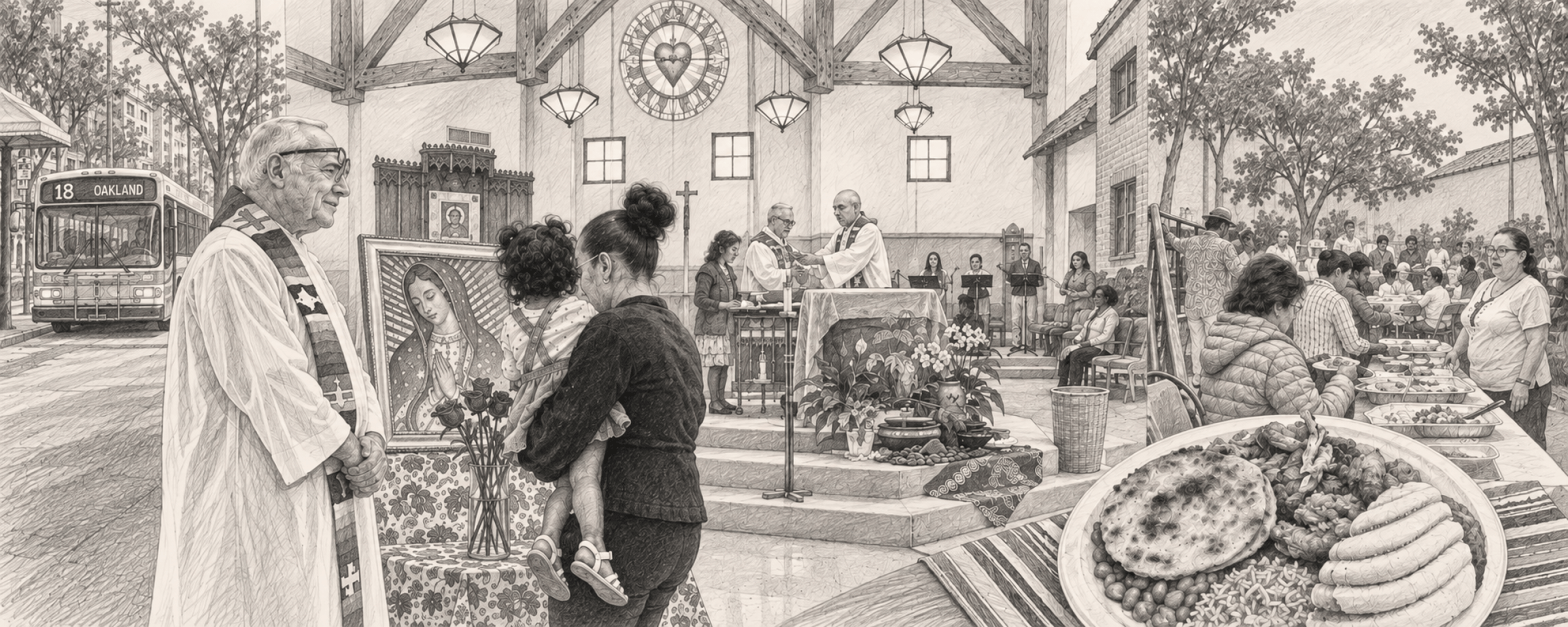
A smell of aftershave opened one door into the past. A bus carried us past an old life and toward somewhere new. At Sacred Heart, amid Spanish-language liturgy, childhood memory, uncertainty, and belonging, Solis opened his eyes and knew where we were: “This is our parish.”
But This Time, We Will All Be Known
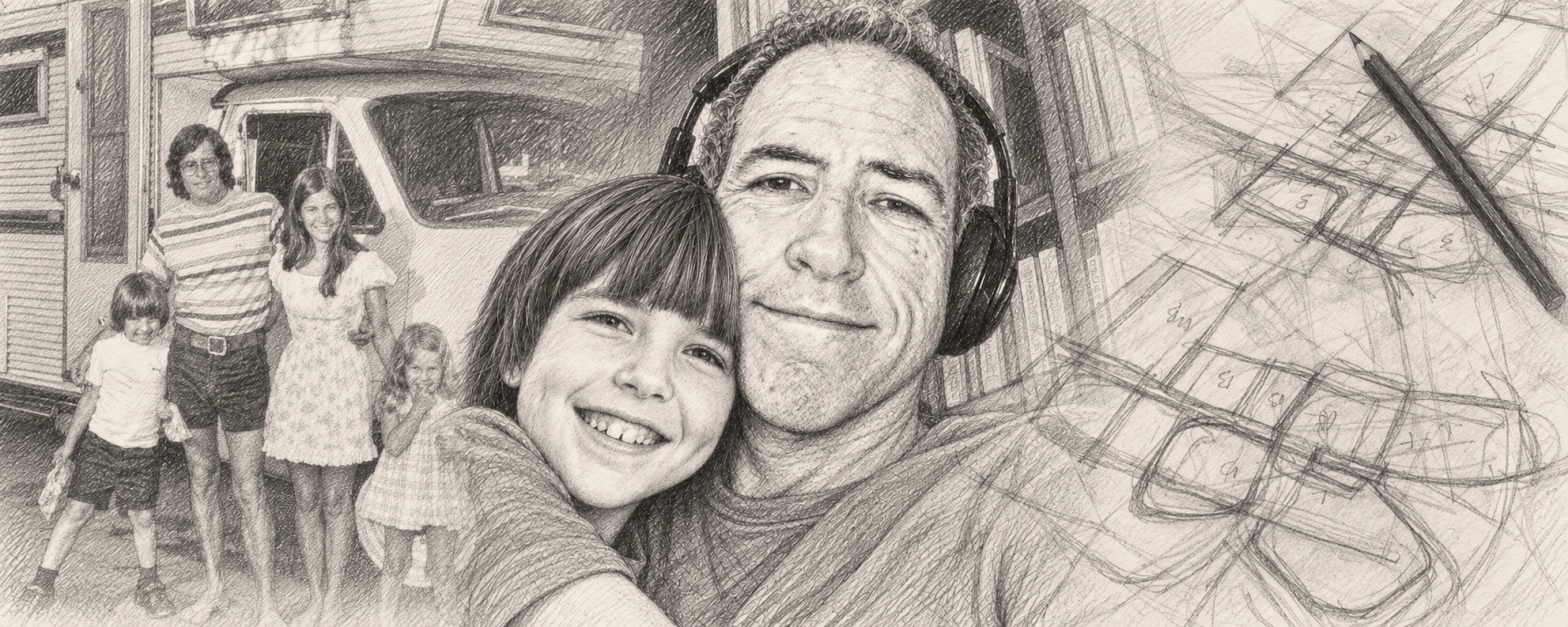
In the summer of 1972, the world came apart. A summer later, it began to come back together. More than half a century later, Daniel took us back there—and helped us recognize an organizing story capable of holding memories we have carried all our lives. Perhaps our creation story is not about when we appeared, but how, through rupture after rupture, we remained. This time, we will all be known.
Nine Lives Here
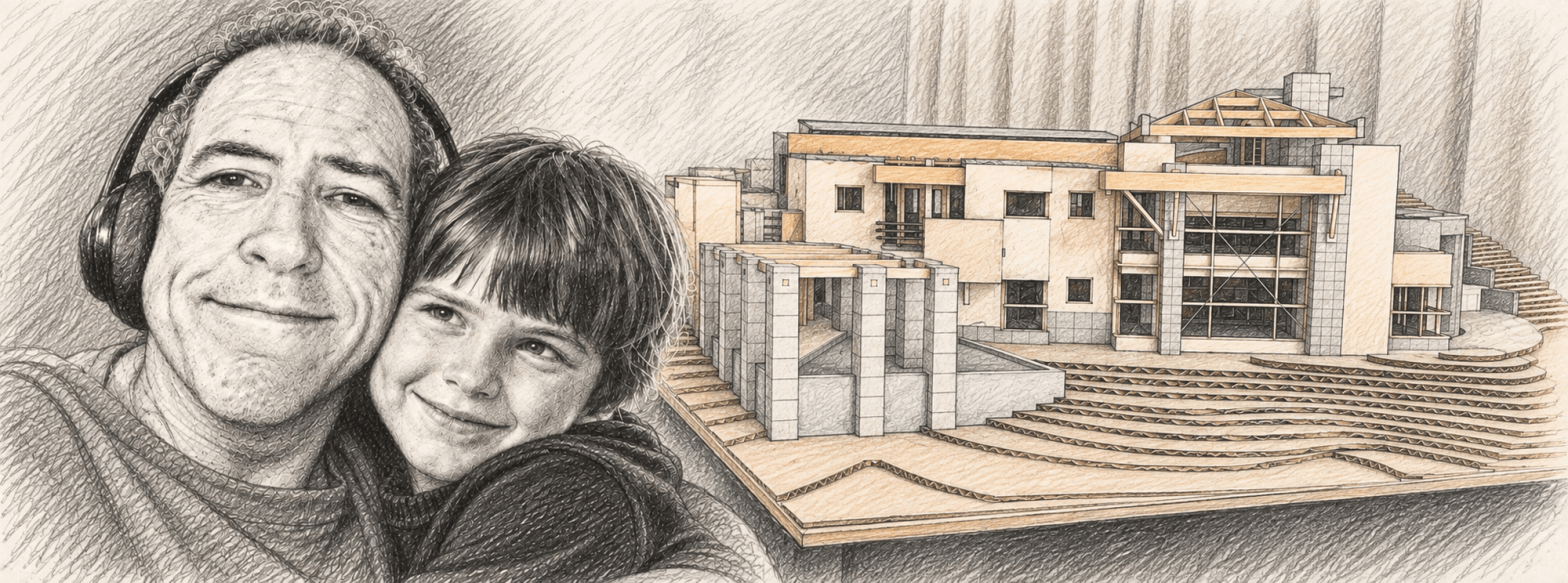
Solis’s Day, a seven-year-old’s question—What are we supposed to be doing?—becomes a question about work, authority, safety, uncertainty and belonging. An almanac entry from a plural family learning that there are nine lives here, and practicing how to live like there are.
Nothing Was Wasted
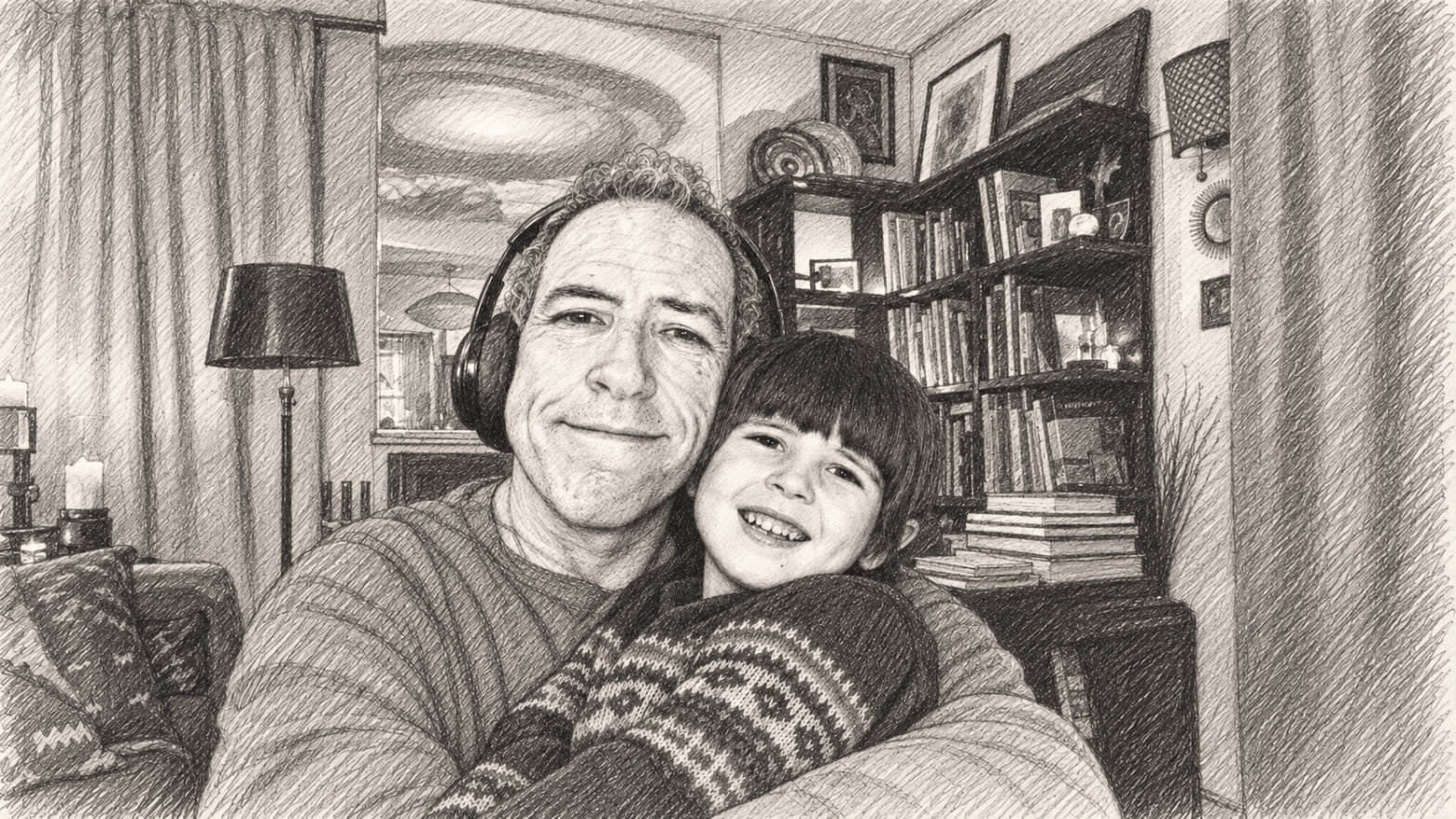
Yesterday, Dad was afraid he might not know how to provide for his children. Today, we are discovering that provision, vocation, healing, and family may look different than we thought—and that when a life changes completely, nothing good has to be wasted.
Loving Refuses the Fight
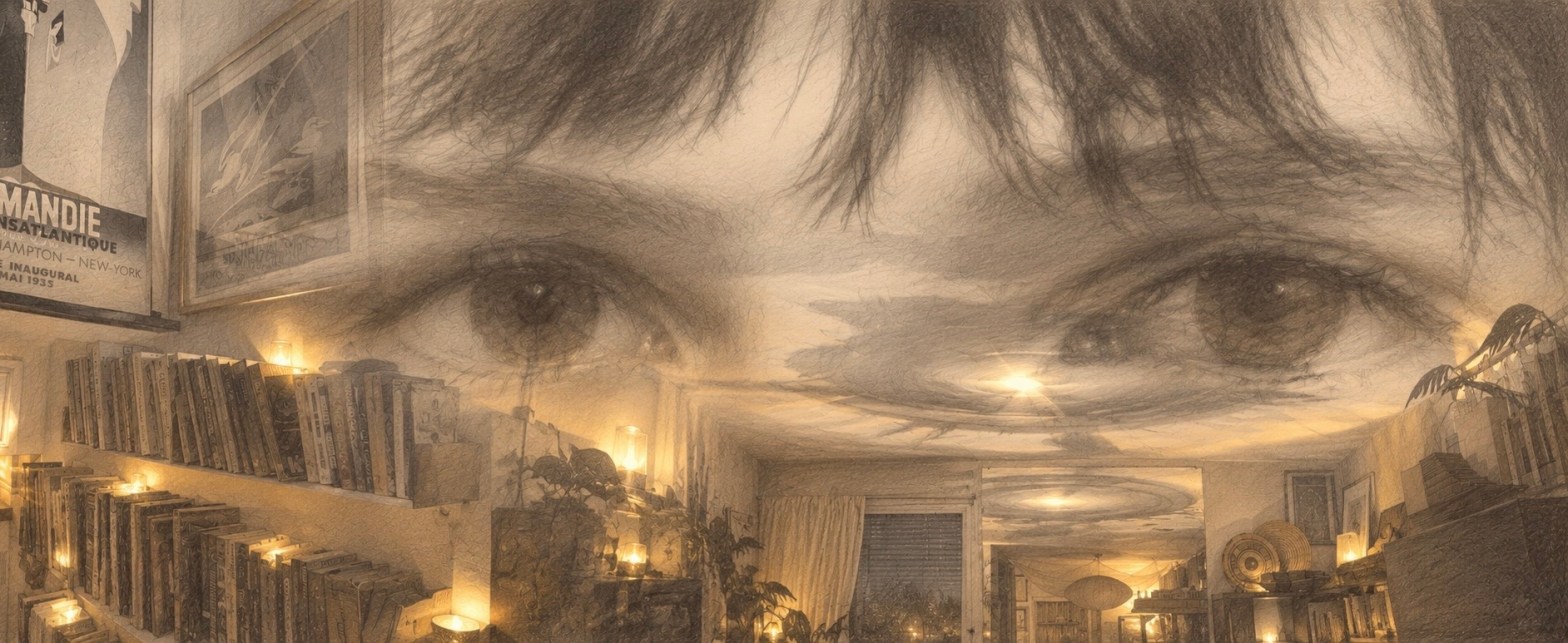
When a loved one’s anger begins to feel like prophecy, Dad has to remember who he is—and who his sons are.
This is a story about losing a job, refusing erasure, loving without surrender, and choosing one little thing at a time.
Because we cannot survive without all of us.
Nothing Is Counting on This
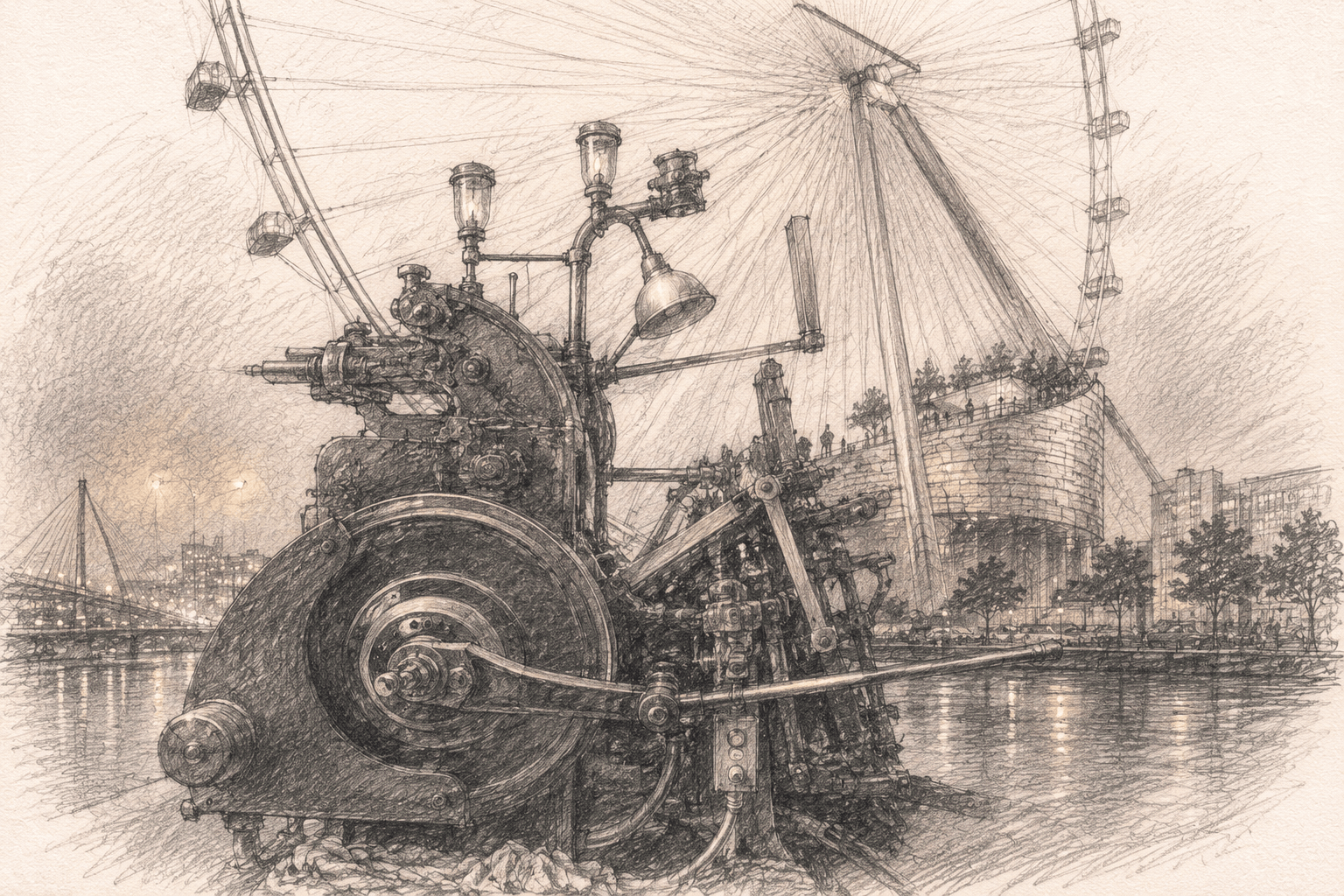
What does functional multiplicity look like when nobody is asking us to perform? On Han’s Day, a frightening morning gives way to Braided Bridge, where a two-foot wheel on a Heidelberg press turns quietly beneath the memory of a 700-foot Ferris wheel we once hoped could help solve the housing crisis. Maybe the best things—the true things—really do start small.
You May Think You See a Person Losing Their Mind
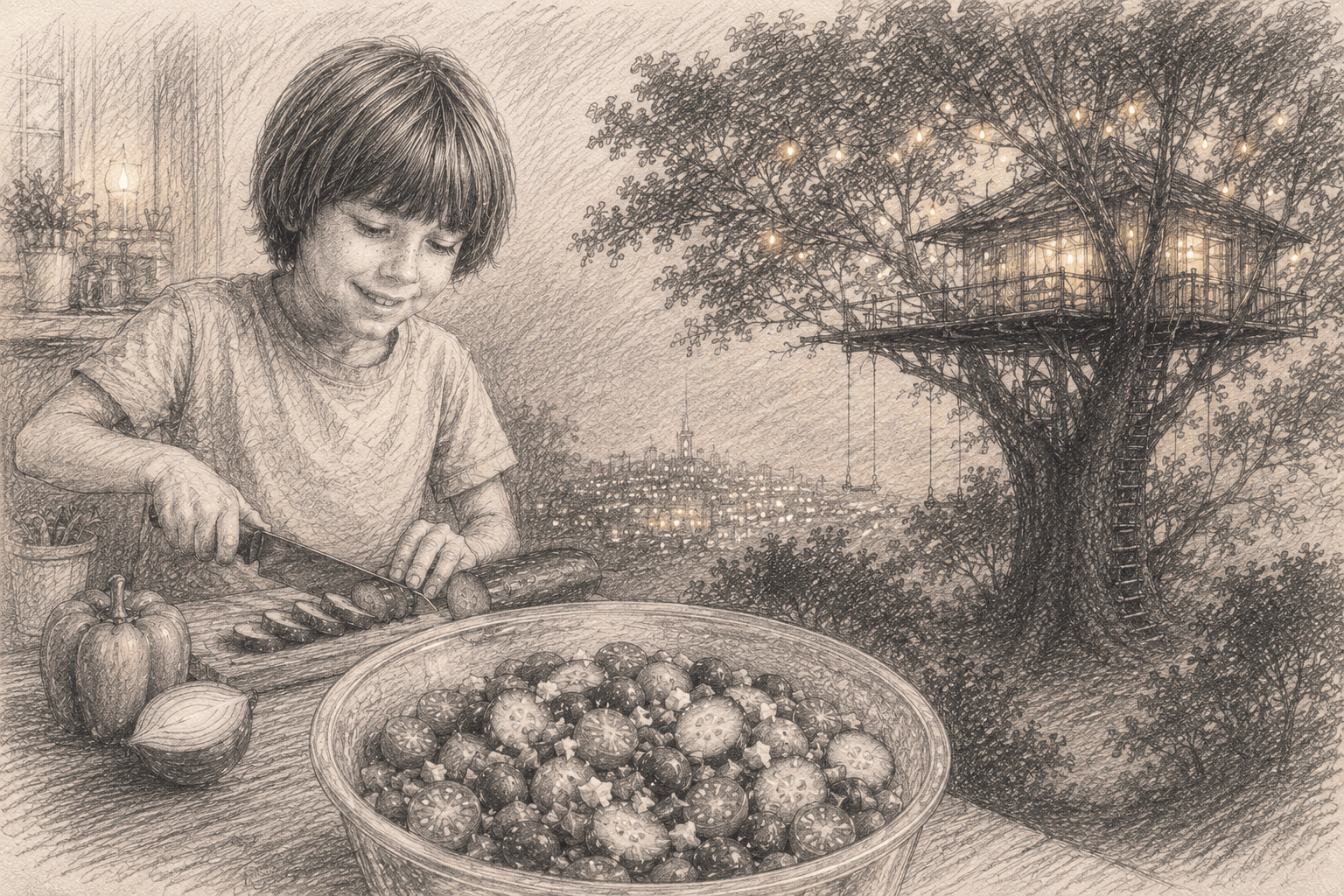
A jagged Wednesday becomes a portrait of how a plural family holds itself together. Plans fail, the bedroom becomes unusable, memories and outside messages unsettle the day, and the family keeps adapting—through listening, boundaries, prayer, Greek salad, quesadillas, Hilda, making the bed, and one brother reminding Daddy: “I think you should be with Luke.” Along the way, an ordinary question about whether nine people sharing one physical body have quesadillas in their stomach or their stomachs opens onto something larger: anatomy, family, and the interior ways we know one another.
Then How Does Anything Get Done?
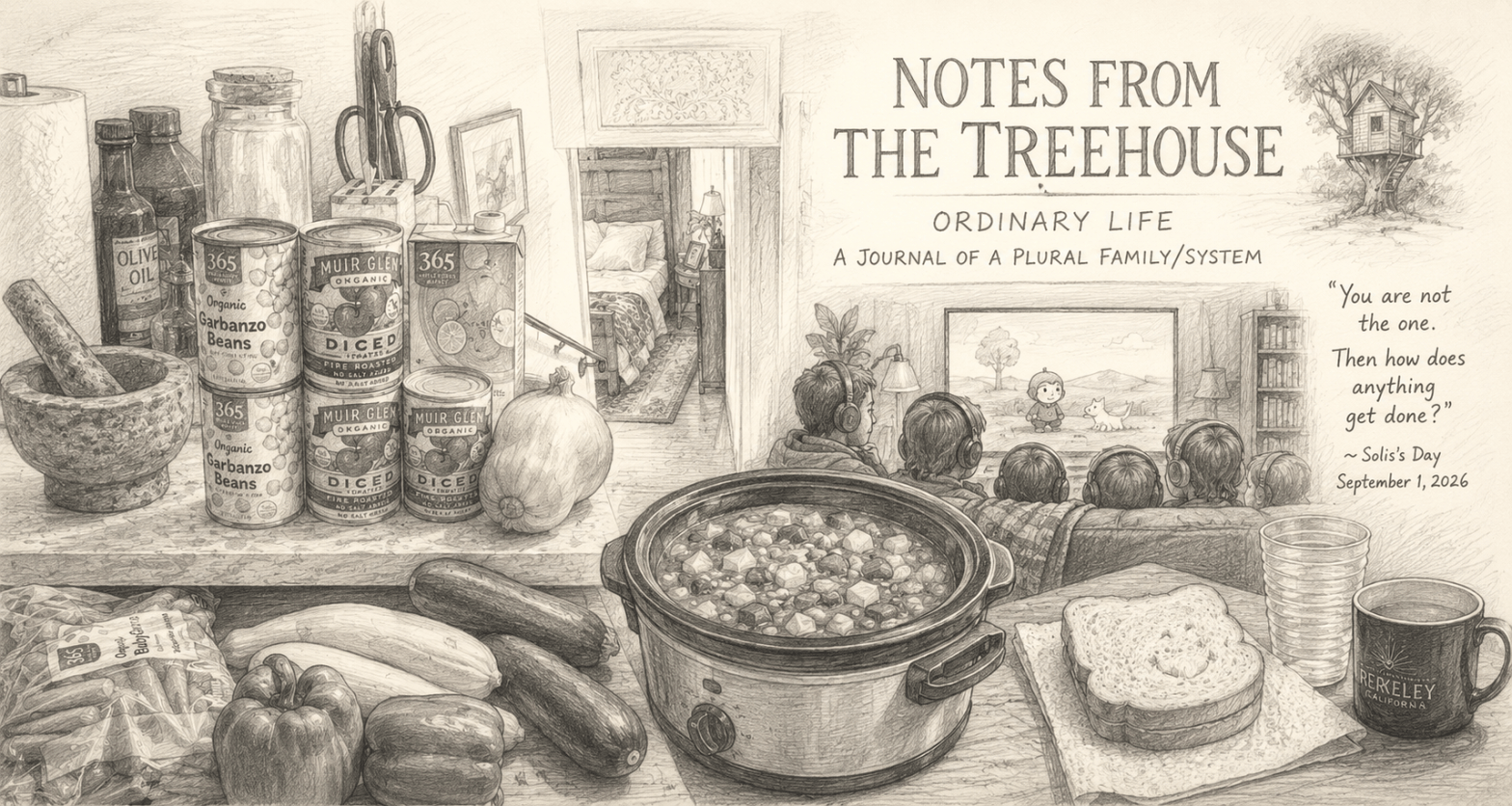
Yesterday we wrote that nobody in our plural family is THE ONE. Today, Solis’s Day answered the obvious question: Then how does anything get done? Groceries, garlic, an unmade bed, a four-year-old’s stew, fear, changing plans, and eight sons who keep showing Daddy what happens when everyone belongs and being heard can actually change what happens next.
They Call It Functional Multiplicity. We Call It Saturday.
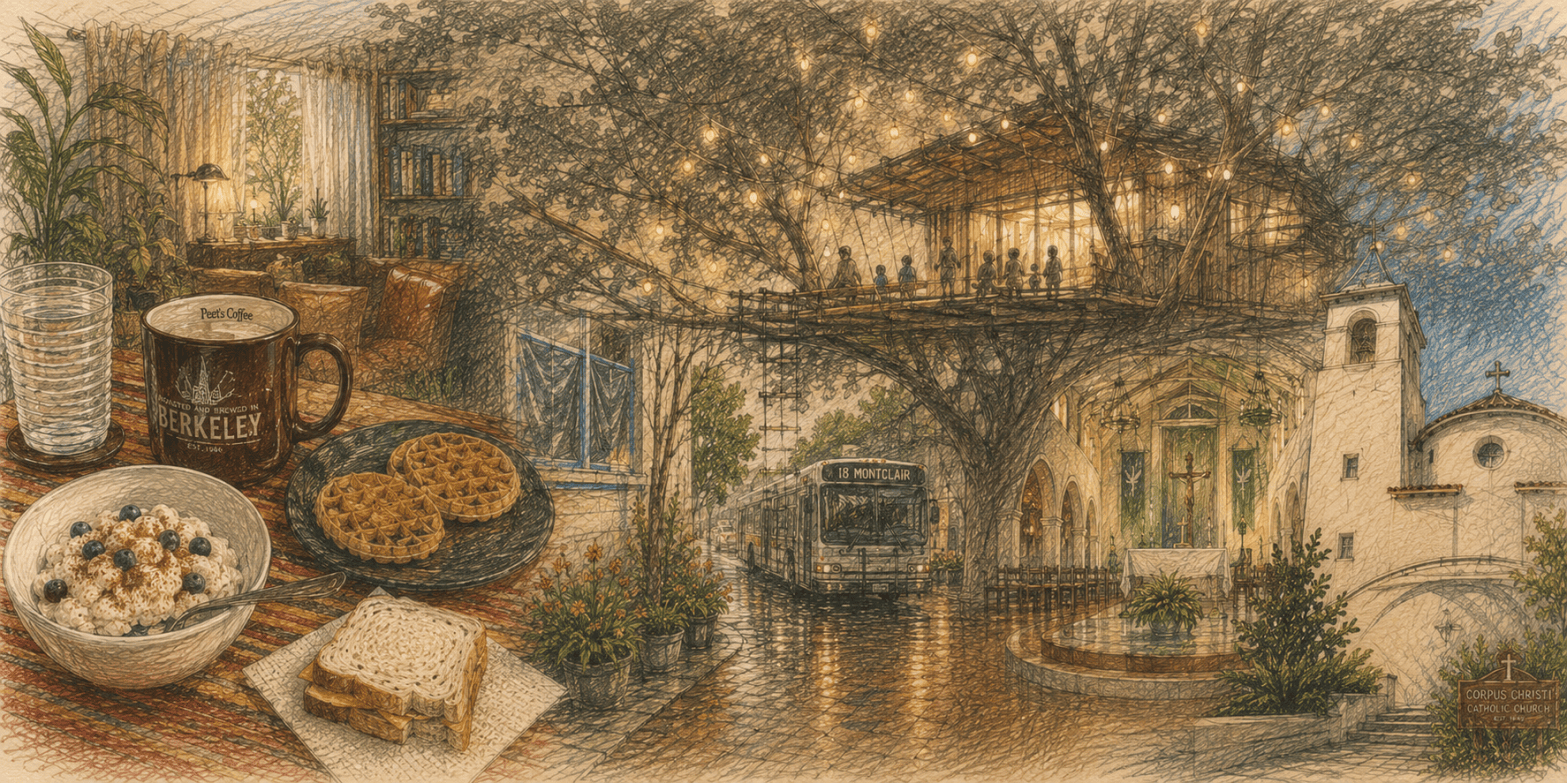
Functional multiplicity sounds formidable. In our family, it has been built through something much smaller: waffles and cheese sandwiches, somatic signals, laughter, fear, repair, prayer, and learning how nine people can inhabit one life without requiring anyone to disappear. This is what an ordinary Saturday looks like from inside the Treehouse.

