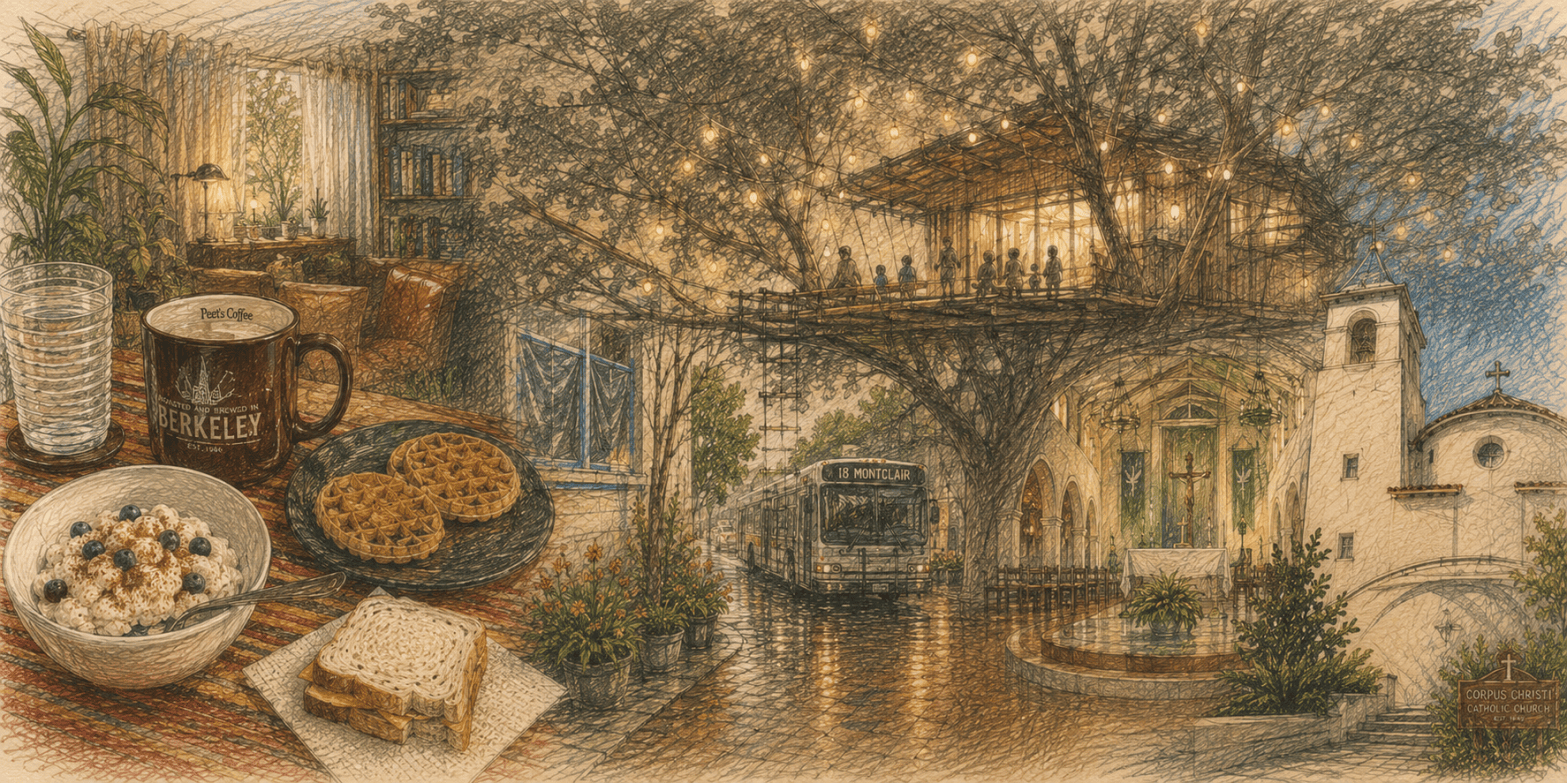
Functional multiplicity sounds formidable. In our family, it has been built through something much smaller: waffles and cheese sandwiches, somatic signals, laughter, fear, repair, prayer, and learning how nine people can inhabit one life without requiring anyone to disappear. This is what an ordinary Saturday looks like from inside the Treehouse.
Tag Archives: Parenting
The Work Inside an Ordinary Saturday
What does functional multiplicity actually look like in ordinary life? This companion analysis looks beneath one difficult Saturday to explore the small practices—communication, co-regulation, somatic signaling, shared agency, attention, repair, and delight—that help a plural family build a life together.
What Bedtime Looks Like

What does bedtime actually look like in a plural family/system? At the end of an extraordinarily difficult Hope’s Day, Dad discovers what his sons have been carrying, what they need to leave behind, and why bedtime isn’t simply how we finish the day—it is part of how we make the next one possible.
Midday Analysis: Justus’s Day — A Companion to “Three Warm Towels”
What does protection look like when something really does happen? A midday analysis of Justus’s Day, and a companion piece to “Three Warm Towels,” examining protection, accountability, truth, trauma, caregiving, and the family’s movement from emergency back toward ordinary life.
Three Warm Towels
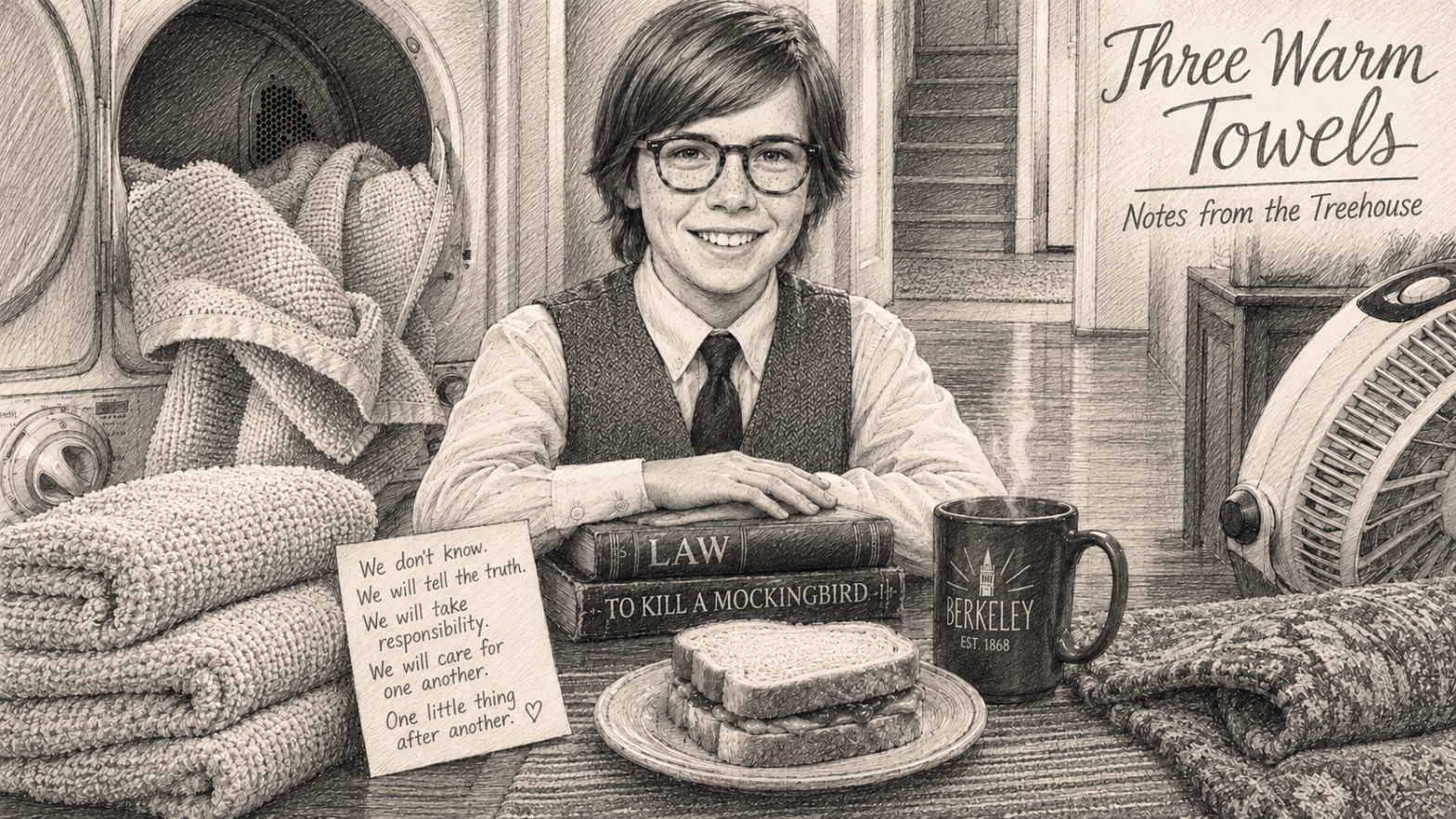
We don’t know why the faucet was running. We do know what happened next. On Justus’s Day, a flooded bedroom becomes a story about three warm towels, a little peanut butter monster, telling the truth, caring for our home, and discovering that when plans change, our course doesn’t have to.
The Little Boy Who Told the Truth
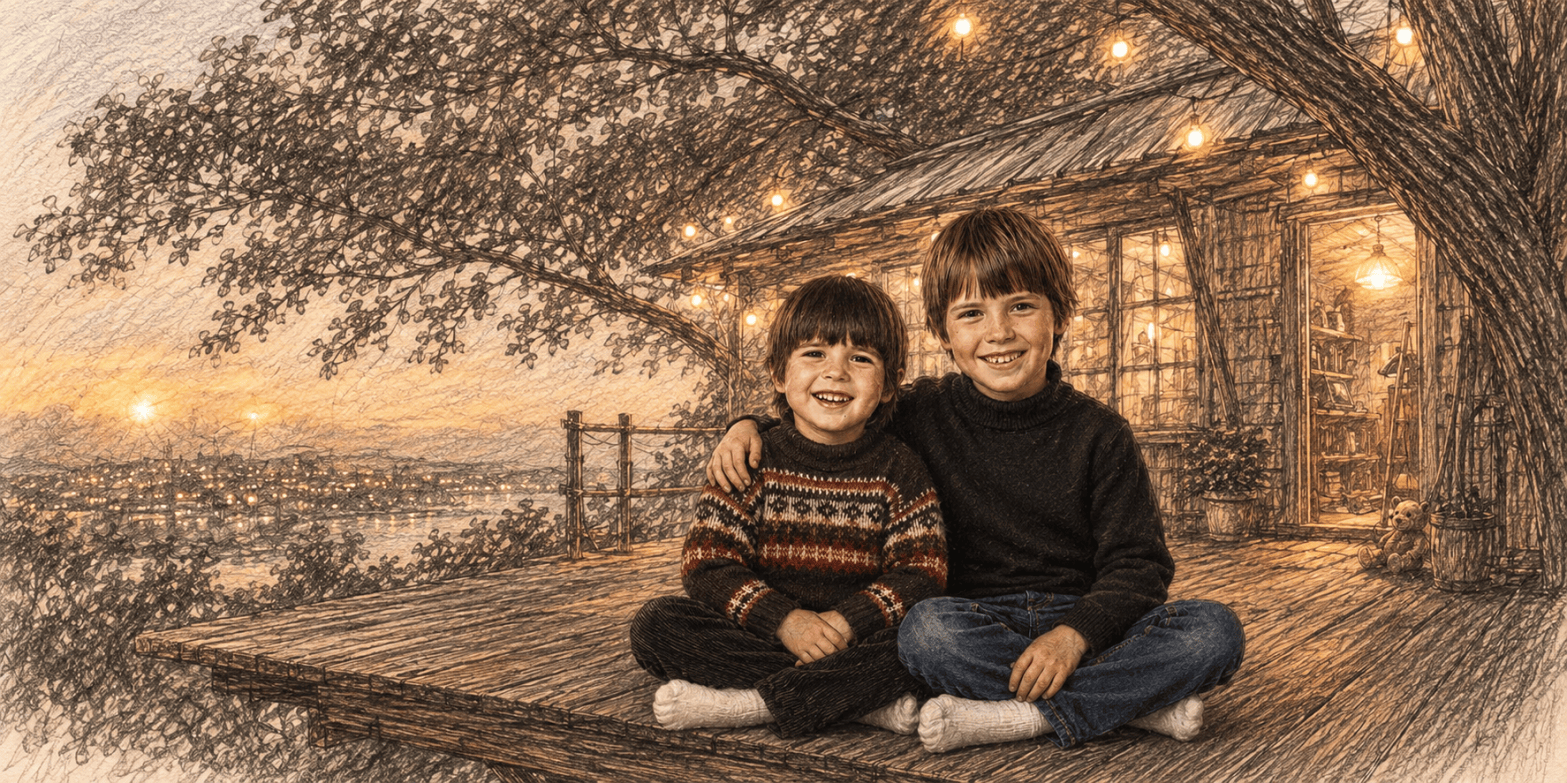
When the world asked what comes next, seven-year-old Solis answered in the language of trauma and anger. This is a story about exploitation, employment, freedom, and the little boy who once told the truth—and needed Daddy to hear him again.
Solis’s Day Is Reclaiming the Sabbath
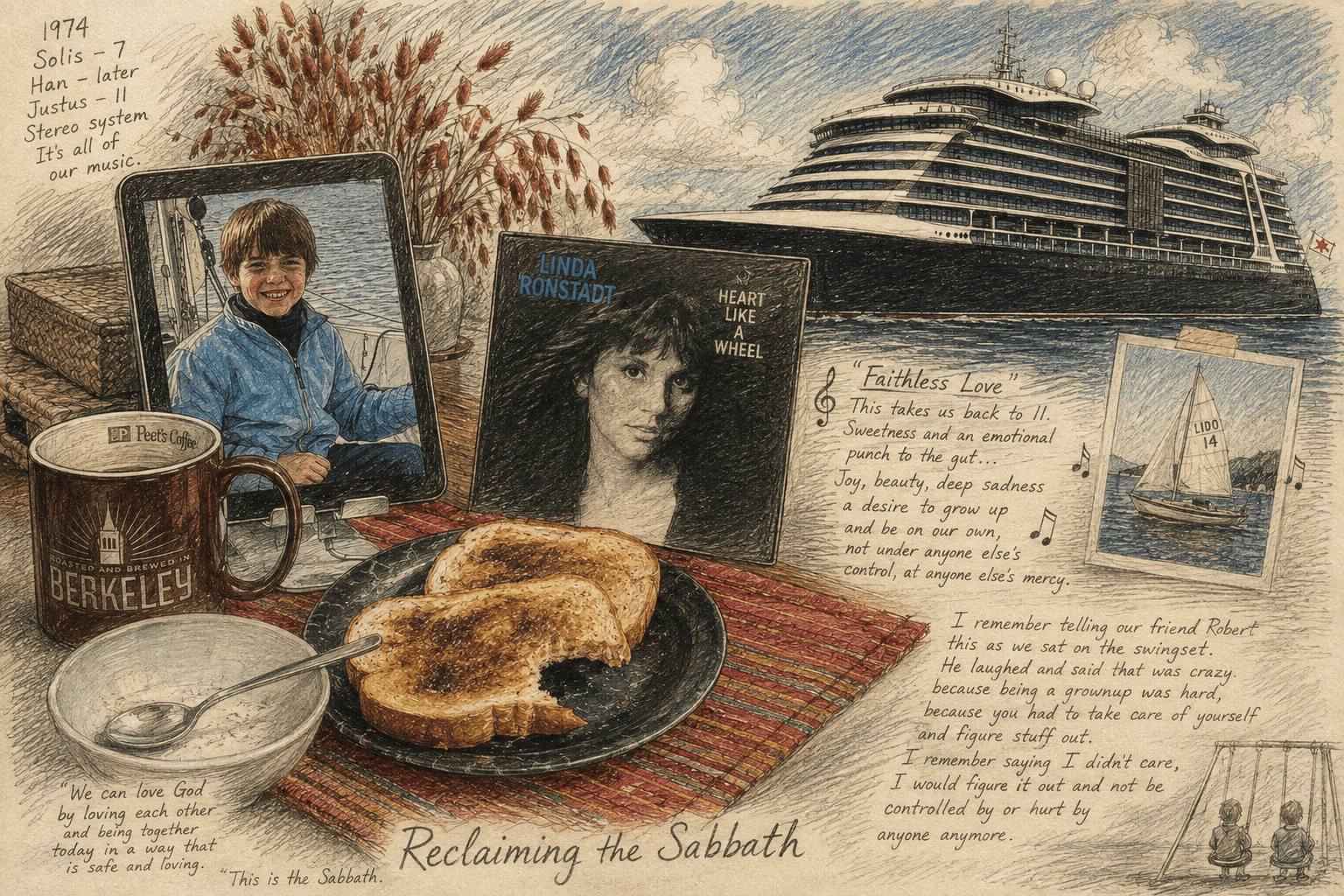
We stayed home on Sunday because we needed rest. By midday, the journal—and the analysis that followed it—was uncovering something much older about urgency, safety, work, faith, independence, and what it means to reclaim the Sabbath.
And Then Saturday Happened
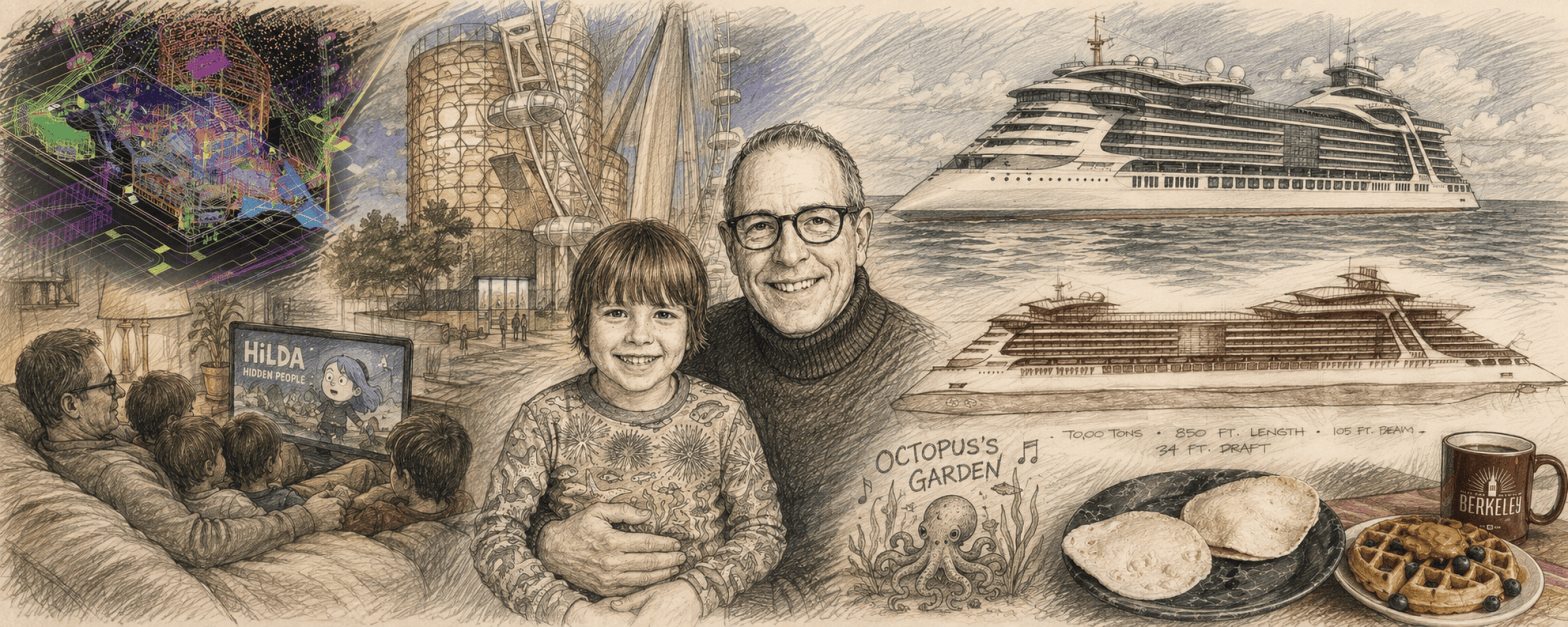
Daniel said no, so we stayed home. What followed wasn’t a therapeutic exercise or something devised for a blog. It was simply Saturday: blueberry waffles with peanut butter, boys needing Daddy, Hilda, quesadillas, an old letter finally sent, an octopus reclaimed, and ordinary family life unfolding because we listened.
Daniel Does Not Need to Become Brave Enough
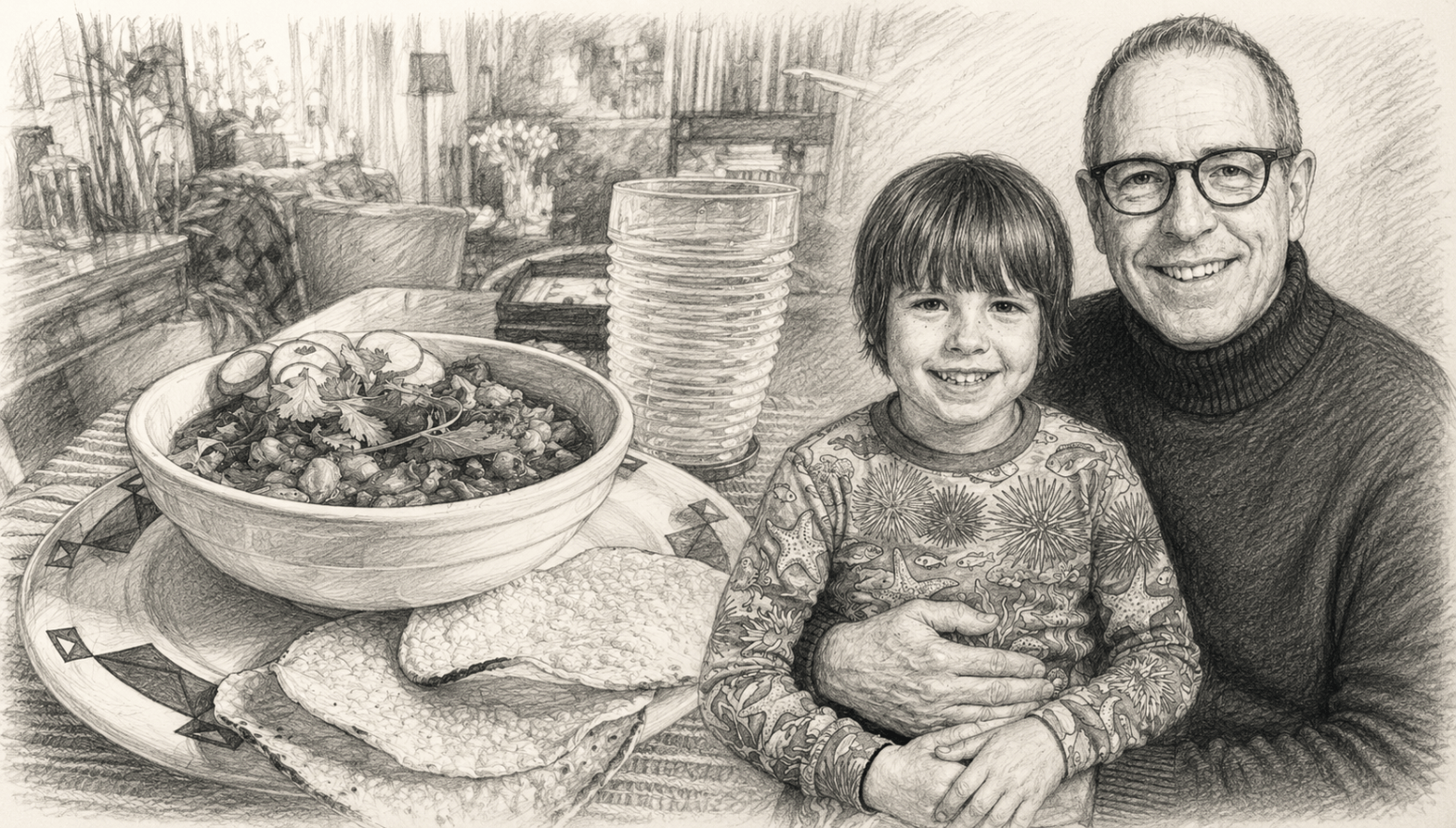
On the eve of Daniel’s Day, a five-year-old says, “I don’t want to go tomorrow.” What begins as a question about Saturday plans becomes something much deeper: a father learning that his child does not need to become brave enough for tomorrow. Tomorrow needs to become safe enough for his child.
Sometimes You Run Out of Glue
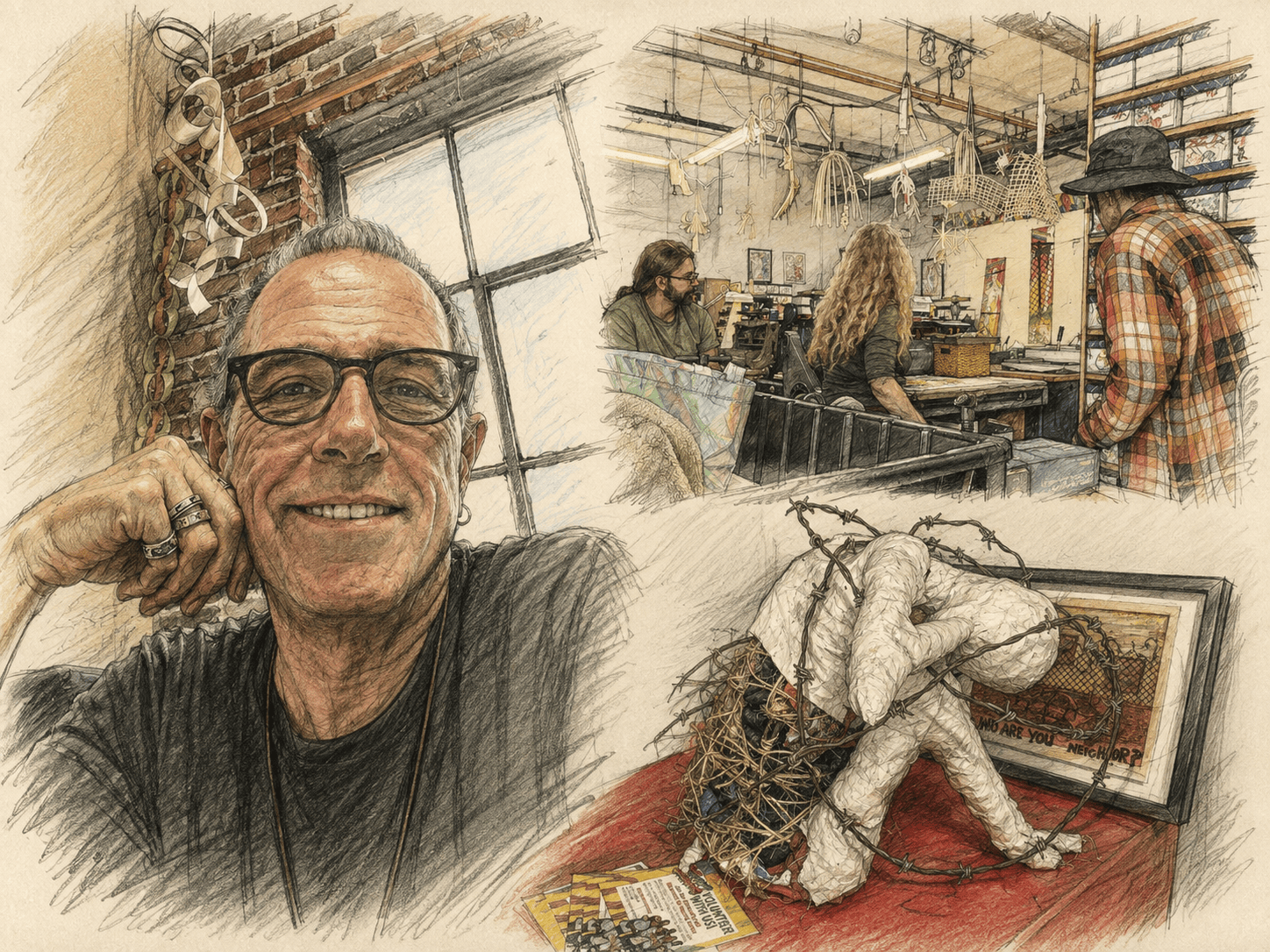
Sometimes what looks unfinished is finished. Sometimes what emerges from the fire is more truthful than what we intended to make. And sometimes the next step in rebuilding a life begins with knowing when to stop, look at what is already here, and let God turn the page.

